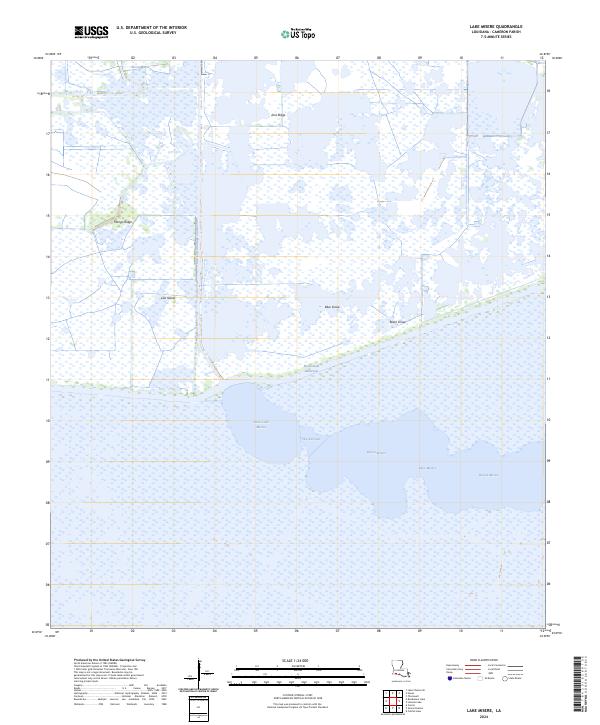
2024 Map of Lake Misere
USGS Topo · Published 2024About this map
Lacassine National Wildlife Refuge dominates this coastal Louisiana landscape, preserving a vast expanse of freshwater marsh and wetland habitat in Cameron Parish. The hydrology is defined by the east-west passage of the Intracoastal Waterway, which cuts through the marsh north of Lake Misere. This area represents a complex transition where managed water systems like the Bell City Drainage Canal meet natural features such as Bayou Misere and Little Lake Misere. Small elevations in the otherwise flat marshland are identified by distinctive local names, including Jims Ridge, Mango Ridge, and Lost Island. These "ridges" and "groves," such as Blue Grove and Black Grove, historically served as critical high ground for navigation and wildlife in the sprawling coastal prairie and marsh environment. The constricted passage known as The Narrows connects the larger lake bodies, illustrating the intricate natural drainage patterns of the Chenier Plain.
Find a feature on this map
12 named features on this map. Tap any name to fly to it.
Don’t see what you’re looking for? This feature index may not catch every label — zoom into the map to look around manually.
Map Details
Editions of this 2024 Lake Misere Map
This is the sole edition of this map. No revisions or reprints were ever made.
Other maps of this area
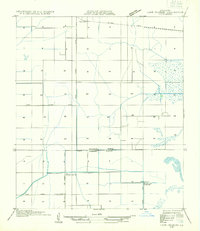
1932 · Lake Charles SE
USGS Topo · 1:31,680
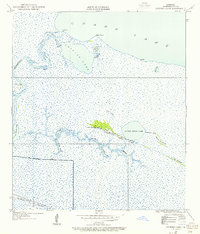
1934 · Catfish Lake
USGS Topo · 1:24,000
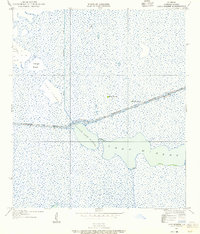
1934 · Lake Misere
USGS Topo · 1:24,000
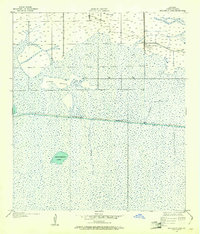
1934 · Boudreaux Lake
USGS Topo · 1:24,000
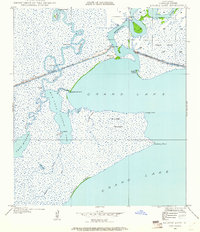
1934 · Latania Lake
USGS Topo · 1:24,000
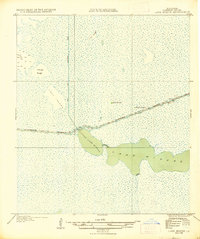
1935 · Lake Misere
USGS Topo · 1:31,680
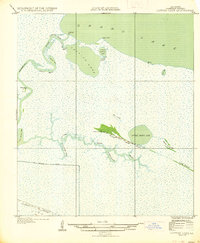
1935 · Catfish Lake
USGS Topo · 1:31,680
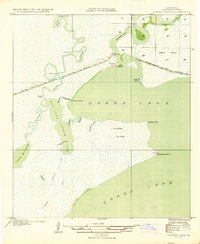
1935 · Latania Lake
USGS Topo · 1:31,680
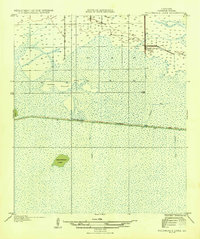
1935 · Boudreaux Lake
USGS Topo · 1:31,680
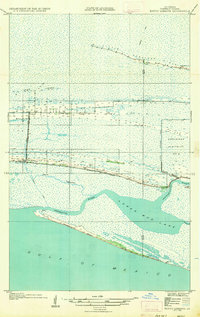
1935 · Bay Labauve
USGS Topo · 1:31,680