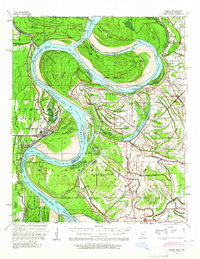
1939 Map of Lamont
USGS Topo · Published 1965About this map
Arkansas City stands as a focal point on this 1930s survey, positioned along the shifting banks where the Arkansas River meets the Mississippi River. The landscape is defined by the massive engineering efforts of the era, most notably the Ashbrook Cut-Off 1935 and Caulk Cut-Off 1937, which were designed to straighten the river's course and mitigate the chronic flooding of the Delta. These cut-offs transformed former active channels into features like Caulk Neck and left large land masses like Choctaw Island No 78 isolated between the old and new river paths.
Find a feature on this map
46 named features on this map. Tap any name to fly to it.
Don’t see what you’re looking for? This feature index may not catch every label — zoom into the map to look around manually.
Map Details
Editions of this 1939 Lamont Map
Other maps of this area
1933 · Lamont
USGS Topo · 1:62,500
1935 · Red Fork
USGS Topo · 1:62,500
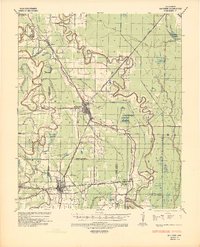
1936 · McGehee
USGS Topo · 1:62,500
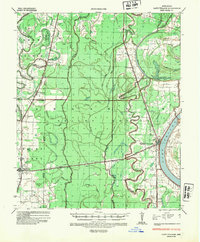
1936 · Lake Village
USGS Topo · 1:62,500
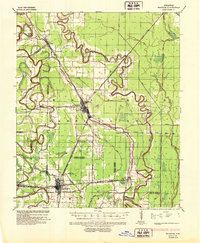
1937 · McGehee
USGS Topo · 1:62,500
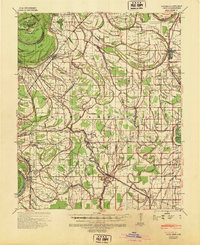
1939 · Pace
USGS Topo · 1:62,500
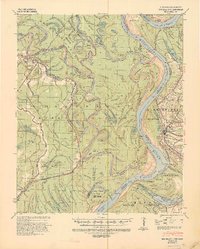
1939 · Big Island
USGS Topo · 1:62,500
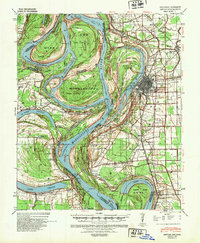
1939 · Refuge
USGS Topo · 1:62,500
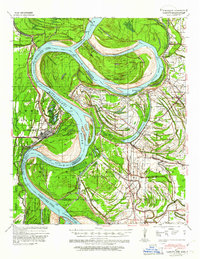
1939 · Lamont
USGS Topo · 1:62,500
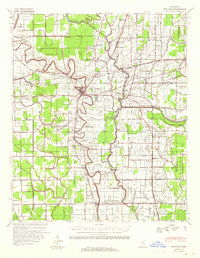
1939 · Tralake
USGS Topo · 1:62,500