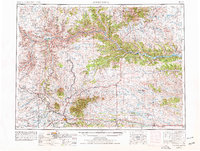
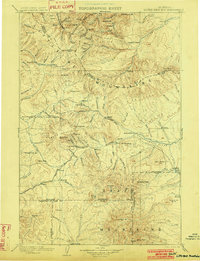
1954 Map of Lewistown
USGS Topo · Published 1978About this map
Lewistown serves as the central hub of this central Montana landscape, where the agricultural flats of the Judith Basin meet the dramatic rises of the South Moccasin Mts and North Moccasin Mts. The map reveals a mid-century transport network defined by the Burlington Northern and Chicago Milwaukee St Paul and Pacific railroads, which linked small grain-handling settlements like Moccasin, Hobson, and Stanford. To the north and east, the terrain becomes increasingly complex as the Missouri River cuts through the plains, bordered by the expansive Charles M Russell National Wildlife Range. The northern edge is bounded by the Fort Belknap Indian Reservation and the slopes of the Little Rocky Mountains. Notable landmarks such as Judith Peak and Black Butte punctuate the horizon, while isolated outposts like Valentine and Holland Ranch highlight the vast distances of the ranching frontier during this era of 1970s revision.
Find a feature on this map
146 named features on this map. Tap any name to fly to it.
Don’t see what you’re looking for? This feature index may not catch every label — zoom into the map to look around manually.
Map Details
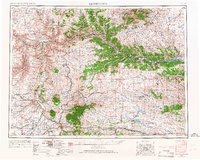
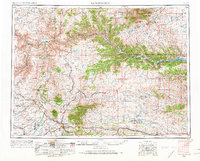
Editions of this 1954 Lewistown Map
3 editions found
Other maps of this area
1886 · Little Belt Mts.
USGS Topo · 1:250,000
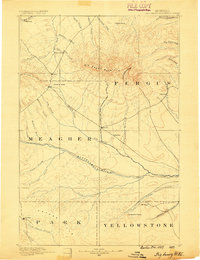
1889 · Big Snowy Mountain
USGS Topo · 1:250,000
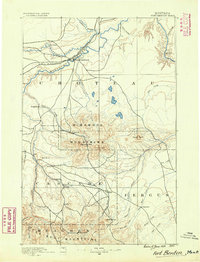
1890 · Fort Benton
USGS Topo · 1:250,000
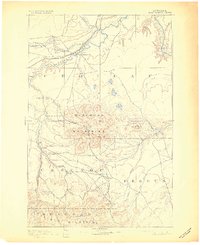
1892 · Fort Benton
USGS Topo · 1:250,000
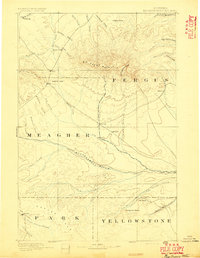
1893 · Big Snowy Mountain
USGS Topo · 1:250,000
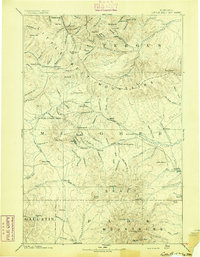
1894 · Little Belt Mts.
USGS Topo · 1:250,000
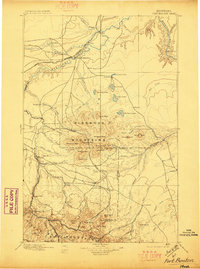
1897 · Fort Benton
USGS Topo · 1:250,000
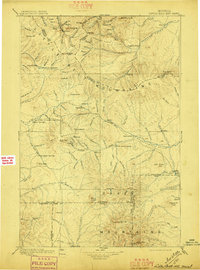
1897 · Little Belt Mts.
USGS Topo · 1:250,000
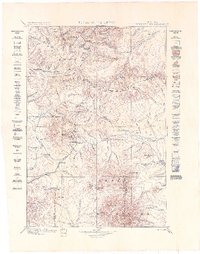
1898 · Little Belt Mts.
USGS Topo · 1:250,000
1902 · Little Belt Mts.
USGS Topo · 1:250,000