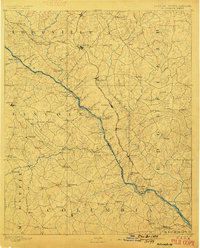
1892 Map of Mc Cormick
USGS Topo · Published 1899About this map
The Savannah River serves as the dominant spine of this late 19th-century landscape, acting as both a natural divider and a vital transport corridor between Georgia and South Carolina. This river-centered economy is punctuated by a high density of crossings, including Rimson Ferry, Barksdale Ferry, and Kilkrase Ferry, long before modern bridges spanned the waterway. On the South Carolina side, the Savannah Valley Railroad cuts through Mc. McCormick and Bordeaux, while the Port Royal and Western Carolina Railroad links Parksville and Modoc. The terrain is deeply etched with numerous creeks and branches, supporting early industry like Searle Mill and Cade Mill. Sparse settlements such as Double Branches, Lincolnton, and Willington are connected by a network of rural roads, offering a detailed view of the region's agricultural and transit infrastructure before 20th-century development.
Find a feature on this map
129 named features on this map. Tap any name to fly to it.
Don’t see what you’re looking for? This feature index may not catch every label — zoom into the map to look around manually.
Map Details
Editions of this 1892 Mc Cormick Map
5 editions found
Other maps of this area
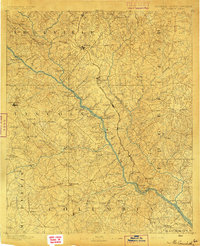
1892 · Mc Cormick
USGS Topo · 1:125,000
1892 · Abbeville
USGS Topo · 1:125,000
1893 · Elberton
USGS Topo · 1:125,000
1906 · Crawfordville
USGS Topo · 1:125,000
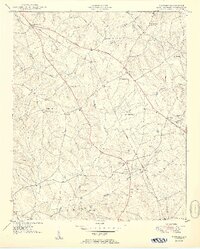
1908 · Kirksey
USGS Topo · 1:24,000
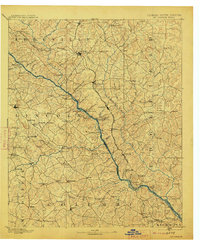
1912 · Mc Cormick
USGS Topo · 1:125,000
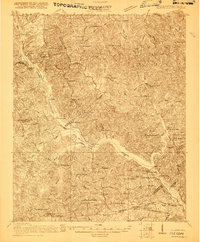
1920 · Clarks Hill
USGS Topo · 1:48,000
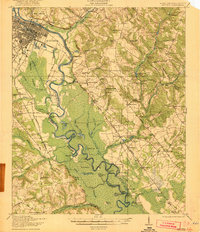
1921 · Augusta
USGS Topo · 1:62,500
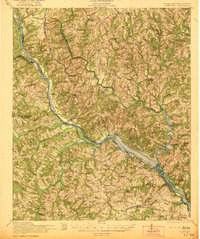
1921 · Clarks Hill
USGS Topo · 1:62,500
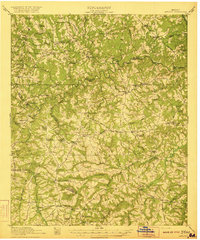
1921 · Appling
USGS Topo · 1:62,500