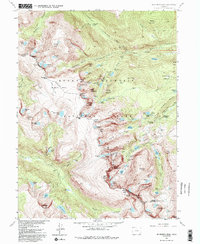
1957 Map of Mc Henrys Peak
USGS Topo · Published 1992About this map
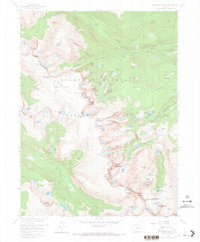
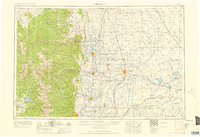
McHenrys Peak and the surrounding high-altitude terrain of Rocky Mountain National Park are documented here following a 1957 field check. This portion of the Continental Divide reveals a complex system of glaciers and high-mountain hydrology, where the Tyndall Glacier and Andrews Glacier feed into intricate water networks like Spruce Canyon and Gorge Lakes. The high-country infrastructure of the mid-20th century is visible through features like the Patrol Cabin and the Eureka Ditch, a water diversion project cutting across the Bighorn Flats. Significant peaks such as Hallett Peak, Stones Peak, and the distinctive Little Matterhorn dominate the skyline, while numerous named bodies of water, including Lake Nokoni and Tourmaline Lake, fill the glacial basins between the granite summits.
Find a feature on this map
130 named features on this map. Tap any name to fly to it.
Don’t see what you’re looking for? This feature index may not catch every label — zoom into the map to look around manually.
Map Details
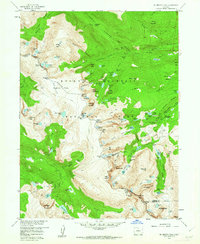
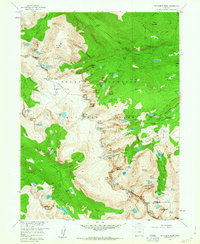
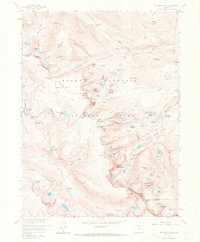
Editions of this 1957 Mc Henrys Peak Map
8 editions found
Other maps of this area
1915 · Longs Peak
USGS Topo · 1:125,000
1919 · Rocky Mountain National Park
USGS Topo · 1:125,000
1954 · Greeley
USGS Topo · 1:250,000
1957 · Greeley
USGS Topo · 1:250,000
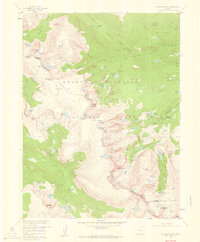
1957 · Mc Henrys Peak
USGS Topo · 1:24,000
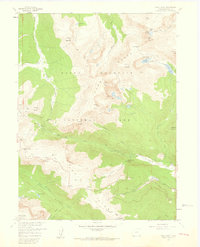
1957 · Trail Ridge
USGS Topo · 1:24,000
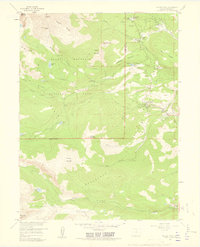
1957 · Allens Park
USGS Topo · 1:24,000
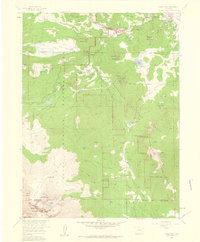
1957 · Longs Peak
USGS Topo · 1:24,000
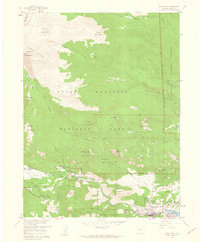
1957 · Estes Park
USGS Topo · 1:24,000
1958 · Greeley
USGS Topo · 1:250,000