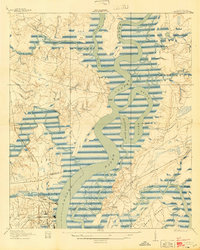
1919 Map of Melgrove
USGS Topo · Published 1944About this map
The Cooper River and Back River dominate this lowcountry landscape during the early twentieth century, defining a network of tidal reaches and landings crucial to the local economy. At the southern edge, the growth of North Charleston is visible, served by the Southern and Seaboard Air Line railroads. The map records several waterfront access points including Redbank Landing, Venning Landing, and Haulover Landing, highlighting the water-dependent nature of transport before the modern bridge system. Inland, the community structure is anchored by St Johns Church, Mary Ann Church, and No 6 School, providing a detailed look at the rural settlement patterns of Berkeley and Charleston counties. The extensive marshlands around Daniel Island and Thomas Island are intricately mapped, showing the complex web of creeks like Goose Creek and Beresford Creek that weave through the coastal islands.
Find a feature on this map
40 named features on this map. Tap any name to fly to it.
Don’t see what you’re looking for? This feature index may not catch every label — zoom into the map to look around manually.
Map Details
Editions of this 1919 Melgrove Map
3 editions found
Other maps of this area
1919 · Ladson
USGS Topo · 1:21,120
1919 · Johns Island
USGS Topo · 1:21,120
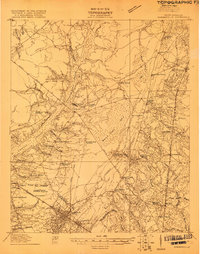
1919 · Summerville
USGS Topo · 1:48,000
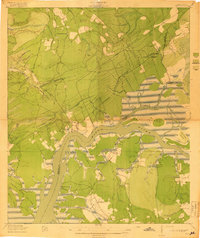
1919 · Wando
USGS Topo · 1:21,120
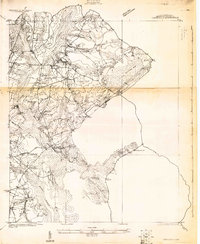
1919 · Cordesville
USGS Topo · 1:48,000
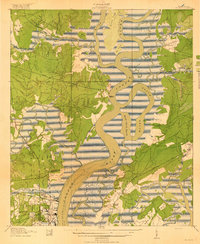
1919 · Melgrove
USGS Topo · 1:21,120
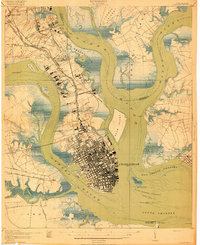
1919 · Charleston
USGS Topo · 1:21,120
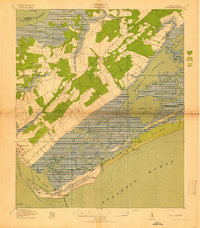
1919 · Fort Moultrie
USGS Topo · 1:21,120
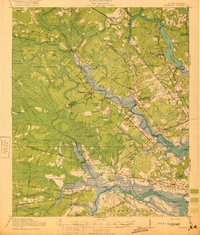
1920 · Ravenels
USGS Topo · 1:62,500
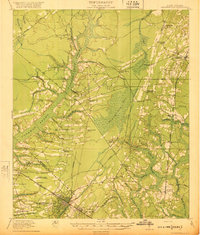
1920 · Summerville
USGS Topo · 1:62,500