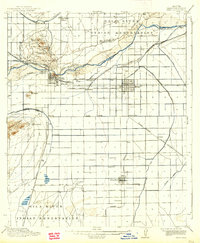
1915 Map of Mesa
USGS Topo · Published 1938About this map
The Salt River and its elaborate network of irrigation canals define the landscape of the East Valley during this early twentieth-century survey. Irrigation infrastructure, managed by the Department of the Interior and the U.S. Reclamation Service, is the lifeblood of the region, appearing as the Arizona Canal, Consolidated Canal, and numerous others that support agricultural settlements like Mesa and Tempe. The town of Tempe is anchored by the Arizona State Normal School and the nearby Tempe Butte, while the surrounding rural areas are dotted with local landmarks such as the Creamery, Alma School, and Kyrene School. To the north, the Salt River Indian Reservation includes the Indian Agency and School and the historic Lehi settlement. This era represents a pivotal moment when the desert was being systematically transformed by water management and rail lines like the Arizona Eastern RR.
Find a feature on this map
57 named features on this map. Tap any name to fly to it.
Don’t see what you’re looking for? This feature index may not catch every label — zoom into the map to look around manually.
Map Details
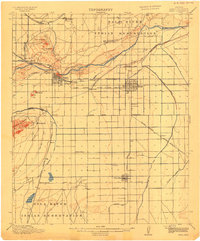
Editions of this 1915 Mesa Map
2 editions found
Other maps of this area
1904 · Camelback
USGS Topo · 1:62,500
1904 · Desert Well
USGS Topo · 1:62,500
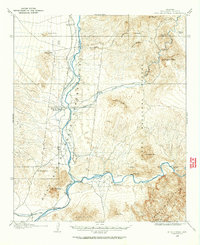
1904 · Ft. McDowell
USGS Topo · 1:62,500
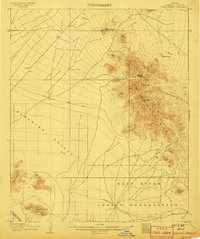
1906 · Camelsback
USGS Topo · 1:62,500
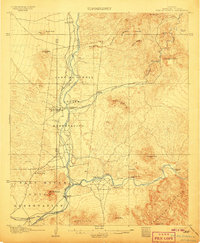
1906 · Ft. McDowell
USGS Topo · 1:62,500
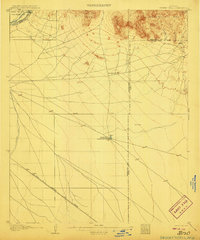
1906 · Desert Well
USGS Topo · 1:62,500
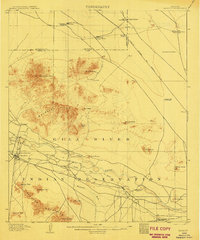
1907 · Sacaton
USGS Topo · 1:62,500
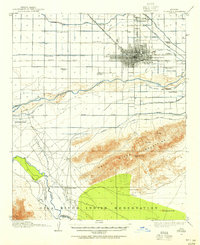
1912 · Phoenix
USGS Topo · 1:62,500
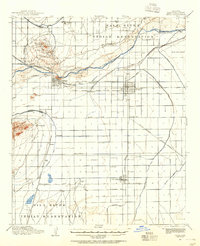
1913 · Mesa
USGS Topo · 1:62,500
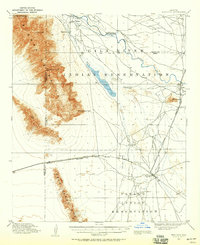
1913 · Maricopa
USGS Topo · 1:62,500