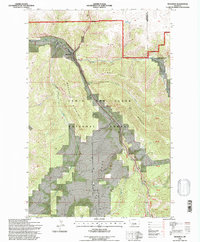
1995 Map of Monarch
USGS Topo · Published 1997About this map
Monarch stands at the junction of the Dry Fork and Belt Creek, where the canyon landscape transitions into the high peaks of the Lewis and Clark National Forest. This 1995 revision reflects the recreational and wild character of the Little Belt Mountains, tracing the Old Railroad Grade as it winds through the narrow corridor between Monarch Mountain and Sun Mountain. The geography is defined by deep drainages like Paine Gulch and Tillinghast Creek, illustrating the complex drainage patterns feeding the Missouri River watershed.
Find a feature on this map
36 named features on this map. Tap any name to fly to it.
Don’t see what you’re looking for? This feature index may not catch every label — zoom into the map to look around manually.
Map Details
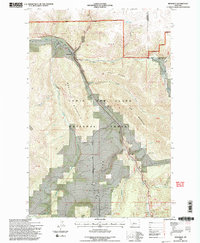
Editions of this 1995 Monarch Map
2 editions found
Other maps of this area
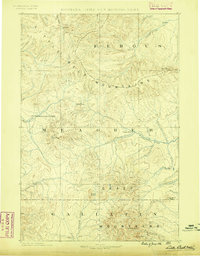
1886 · Little Belt Mts.
USGS Topo · 1:250,000
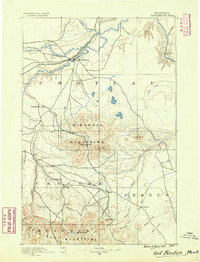
1890 · Fort Benton
USGS Topo · 1:250,000
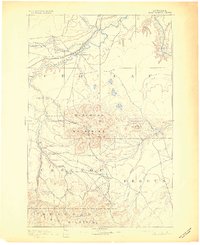
1892 · Fort Benton
USGS Topo · 1:250,000
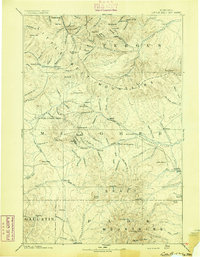
1894 · Little Belt Mts.
USGS Topo · 1:250,000
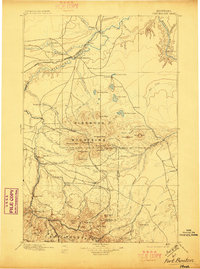
1897 · Fort Benton
USGS Topo · 1:250,000
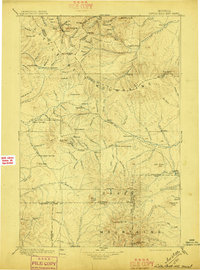
1897 · Little Belt Mts.
USGS Topo · 1:250,000
1898 · Little Belt Mts.
USGS Topo · 1:250,000
1902 · Little Belt Mts.
USGS Topo · 1:250,000
1948 · White Sulphur Springs
USGS Topo · 1:250,000
1954 · Great Falls
USGS Topo · 1:250,000