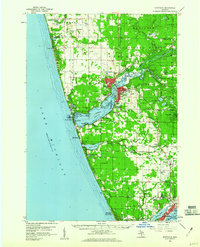
1959 Map of Montague
USGS Topo · Published 1960About this map
White Lake serves as the focal point for this mid-century coastal survey, where the twin cities of Montague and Whitehall sit at the mouth of the White River. The landscape reveals a transition from the established harbor and industrial features like Salt Wells and Gravel Pit sites to the dense wooded tracts of the Manistee National Forest. This era of development is evidenced by the prominent Chesapeake and Ohio railroad corridor and the residential growth seen in South Whitehall, Lakewood, and North Muskegon.
Find a feature on this map
91 named features on this map. Tap any name to fly to it.
Don’t see what you’re looking for? This feature index may not catch every label — zoom into the map to look around manually.
Map Details
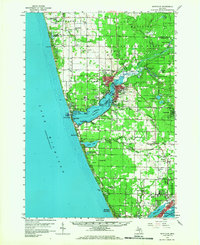
Editions of this 1959 Montague Map
2 editions found
Other maps of this area
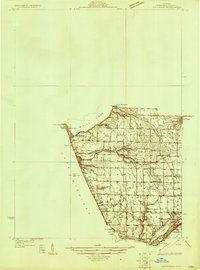
1929 · Montague
USGS Topo · 1:48,000
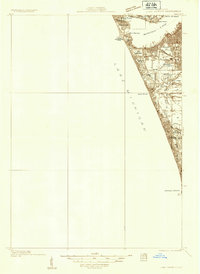
1930 · Lake Harbor
USGS Topo · 1:48,000
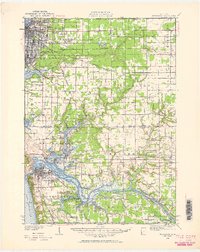
1930 · Muskegon
USGS Topo · 1:62,500
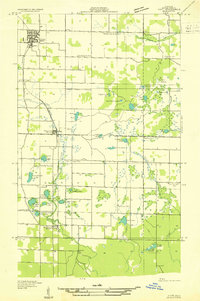
1931 · Hart SE
USGS Topo · 1:31,680
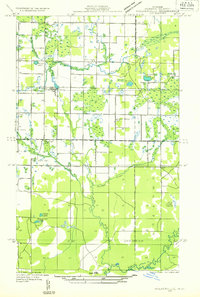
1931 · Walkerville SW
USGS Topo · 1:31,680
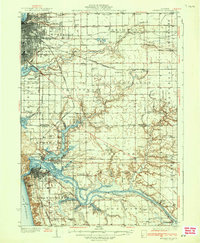
1936 · Muskegon
USGS Topo · 1:62,500
1936 · Lake Harbor
USGS Topo · 1:62,500
1954 · Milwaukee
USGS Topo · 1:250,000
1958 · Milwaukee
USGS Topo · 1:250,000
1958 · Hesperia
USGS Topo · 1:62,500