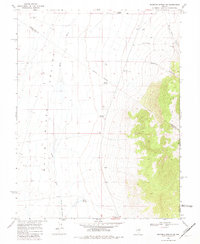
1969 Map of Moorman Spring NE
USGS Topo · Published 1981About this map
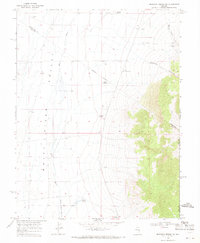
White River Valley defines the western expanse of this high-desert landscape, where the seasonal flow of the White River creates a corridor of essential water sources in an otherwise arid basin. At the end of the 1960s, the area remained a remote stretch of Nevada's interior, marked by the intersection of the White Pine and Nye county lines. The survival of ranching and transit in this environment is evidenced by a network of isolated water features, from the curiously named Ruppes Boghole to the reliably situated Hardy Springs. To the east, the terrain rises sharply into the mountains, carved by Sheep Pass Canyon and Ninemile Canyon. Human presence is sparse, indicated primarily by livestock infrastructure like the White Horse Pasture and a high-elevation Radio Tower, while a primitive Pack Trail suggests the rugged nature of travel through the canyons.
Find a feature on this map
19 named features on this map. Tap any name to fly to it.
Don’t see what you’re looking for? This feature index may not catch every label — zoom into the map to look around manually.
Map Details
Editions of this 1969 Moorman Spring NE Map
2 editions found
Other maps of this area
1956 · Lund
USGS Topo · 1:250,000
1960 · Lund
USGS Topo · 1:250,000
1969 · Shingle Pass
USGS Topo · 1:24,000
1969 · Moorman Spring SE
USGS Topo · 1:24,000
1969 · Moorman Spring NW
USGS Topo · 1:24,000
1969 · Moorman Spring
USGS Topo · 1:24,000
1969 · Moorman Spring NE
USGS Topo · 1:24,000
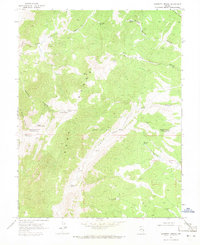
1969 · Haggerty Spring
USGS Topo · 1:24,000
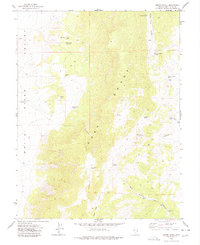
1977 · Brown Knoll
USGS Topo · 1:24,000
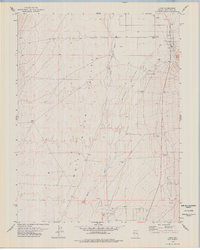
1978 · Lund
USGS Topo · 1:24,000