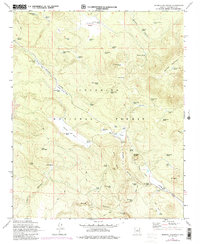
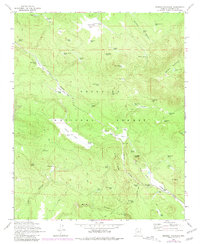
1965 Map of Mormon Mountain
USGS Topo · Published 1986About this map
Coconino National Forest defines the high-altitude landscape of this mid-1960s study, characterized by a complex network of watering holes and timber infrastructure. The presence of the Industrial Railroad Grade cutting across the terrain highlights the importance of the logging industry to the local economy during this era, providing a transit route through the mountain passes. Named parks such as Munds Park, Bert Lee Park, and Casner Park are scattered throughout the forest, often associated with specific springs or cattle tanks like Munds Spring or Casner Park Tank. Geologic features like Mormon Mountain and the volcanic-derived Milos Butte punctuate the landscape, while numerous water developments, from the small Snag Seep Tank to the larger Lost Lake Tank, illustrate the vital role of water management in supporting both livestock and forestry operations in this arid mountain environment.
Find a feature on this map
68 named features on this map. Tap any name to fly to it.
Don’t see what you’re looking for? This feature index may not catch every label — zoom into the map to look around manually.
Map Details
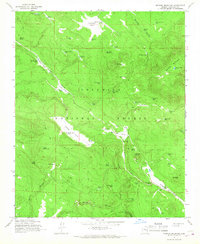
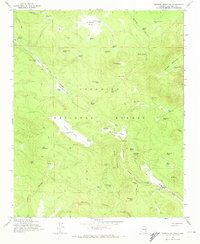
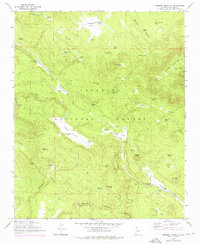
Editions of this 1965 Mormon Mountain Map
5 editions found
Other maps of this area
1886 · San Francisco Mtns
USGS Topo · 1:250,000
1887 · Verde
USGS Topo · 1:250,000
1891 · San Francisco Mtns
USGS Topo · 1:250,000
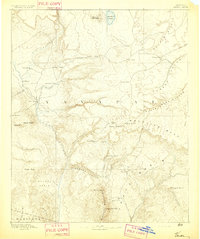
1892 · Verde
USGS Topo · 1:250,000
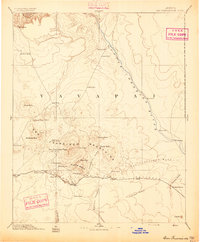
1894 · San Francisco Mtns
USGS Topo · 1:250,000
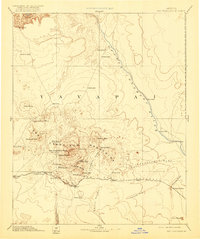
1899 · San Francisco Mtns
USGS Topo · 1:250,000
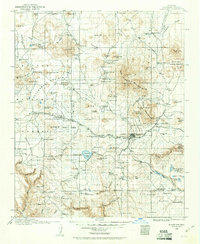
1908 · Flagstaff
USGS Topo · 1:125,000
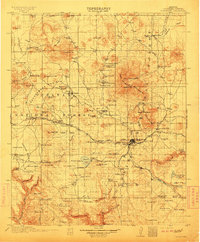
1912 · Flagstaff
USGS Topo · 1:125,000
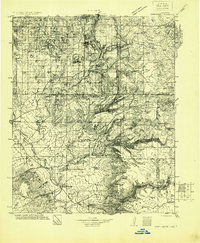
1923 · Camp Verde
USGS Topo · 1:125,000
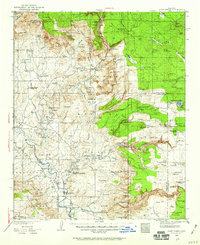
1932 · Camp Verde
USGS Topo · 1:125,000