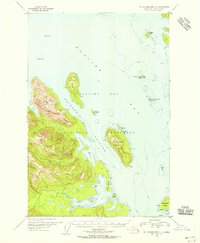
1949 Map of Mount Fairweather C-1
USGS Topo · Published 1956About this map
Glacier Bay National Monument dominates this mid-century maritime survey, documenting the intricate coastline and island clusters before widespread modern development. Centered on Whidbey Passage, the map details a landscape of extreme relief, where Marble Mountain rises sharply from the water's edge. The topography, compiled from 1948 aerial photography and hydrography from nautical charts, reveals a complex network of inlets including Fingers Bay and Berg Bay.
Find a feature on this map
21 named features on this map. Tap any name to fly to it.
Don’t see what you’re looking for? This feature index may not catch every label — zoom into the map to look around manually.
Map Details
Editions of this 1949 Mount Fairweather C-1 Map
This is the sole edition of this map. No revisions or reprints were ever made.
Other maps of this area
1948 · Juneau B-6
USGS Topo · 1:63,360
1948 · Juneau C-6
USGS Topo · 1:63,360
1948 · Mount Fairweather B-1
USGS Topo · 1:63,360
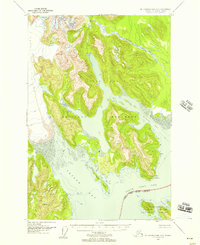
1948 · Mount Fairweather B-2
USGS Topo · 1:63,360
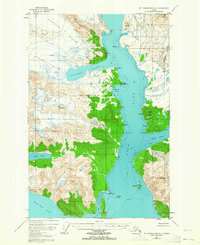
1948 · Mount Fairweather D-1
USGS Topo · 1:63,360
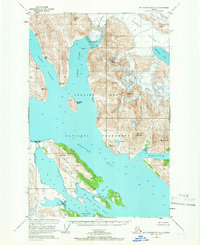
1948 · Mount Fairweather D-2
USGS Topo · 1:63,360
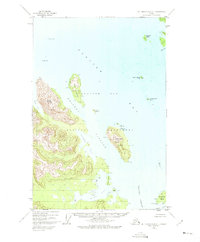
1948 · Mount Fairweather C-1
USGS Topo · 1:63,360
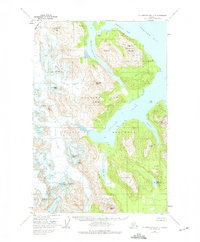
1948 · Mount Fairweather C-2
USGS Topo · 1:63,360
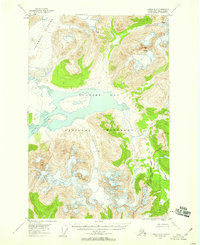
1949 · Juneau D-6
USGS Topo · 1:63,360
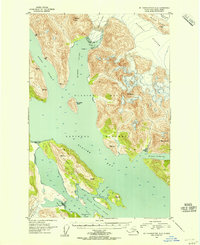
1950 · Mount Fairweather D-2
USGS Topo · 1:63,360