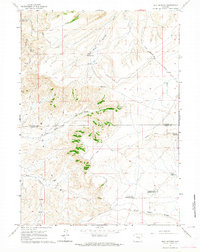
1960 Map of Mud Springs
USGS Topo · Published 1964About this map
Bates Hole and the surrounding high plains of the Natrona and Carbon County line are documented here in 1960. This landscape is defined by its water management and grazing routes, notably the Stock Trail and the Casper Medicine Bow Highway that connect these rangelands to larger trade centers. The map reveals the intricate network of water resources vital for livestock in this arid environment, including the Chalk Hill Reservoirs, Lost Reservoir, and the distinctive Cronberg Pit Reservoir No. 1 and No. 2. Elevation changes are marked by prominent geographic features such as Shirley Ridge and Moss Agate Ridge. Named for the Mud Springs settlement, the area shows a clear reliance on seasonal drainages like Lone Tree Creek and Hunt Creek to sustain the isolated ranches and grazing operations scattered across the high Wyoming desert.
Find a feature on this map
20 named features on this map. Tap any name to fly to it.
Don’t see what you’re looking for? This feature index may not catch every label — zoom into the map to look around manually.
Map Details
Editions of this 1960 Mud Springs Map
2 editions found
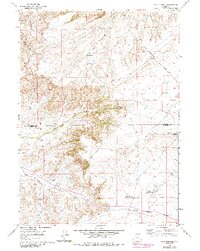
Other maps of this area
1955 · Casper
USGS Topo · 1:250,000
1958 · Casper
USGS Topo · 1:250,000
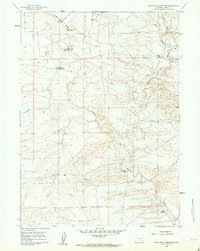
1959 · Moss Agate Reservoir
USGS Topo · 1:24,000
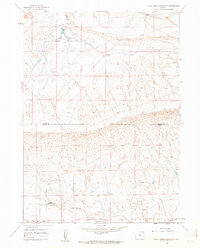
1959 · Bates Creek Reservoir
USGS Topo · 1:24,000
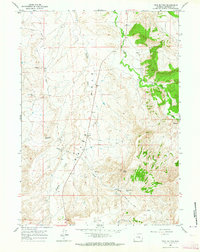
1960 · Twin Buttes
USGS Topo · 1:24,000
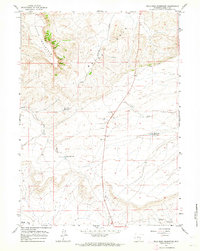
1960 · Wild Irish Reservoir
USGS Topo · 1:24,000
1960 · Horse Peak
USGS Topo · 1:24,000
1960 · Sheep Creek
USGS Topo · 1:24,000
1960 · Measel Spring Reservoir
USGS Topo · 1:24,000
1960 · Ice Cave Mountain
USGS Topo · 1:24,000