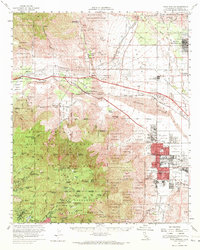
1957 Map of Palm Springs
USGS Topo · Published 1972About this map
Palm Springs and the surrounding Coachella Valley are captured here during a period of significant mid-century desert development. The map details the urban grid expanding south of North Palm Springs, while the Southern Pacific railroad and the Colorado River Aqueduct underscore the vital infrastructure required to sustain growth in this arid landscape. To the north, Desert Hot Springs sits at the base of the Little San Bernardino Mountains, while the western portion of the map transitions into the high-altitude terrain of the San Bernardino National Forest. This survey provides a remarkable record of the diverse land use in the 1950s, ranging from tribal lands like the Agua Caliente Indian Reservation to remote outposts like the Whitewater Trout Farm and several recreational sites near Idyllwild, including the Riverside YMCA Camp and Black Mtn Camp.
Find a feature on this map
112 named features on this map. Tap any name to fly to it.
Don’t see what you’re looking for? This feature index may not catch every label — zoom into the map to look around manually.
Map Details
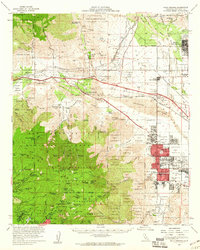
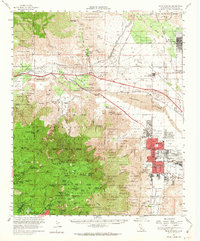
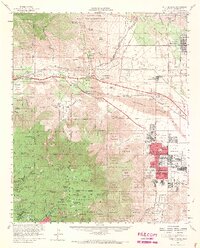
Editions of this 1957 Palm Springs Map
4 editions found
Other maps of this area
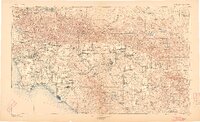
1901 · Southern California Sheet No. 1
USGS Topo · 1:250,000
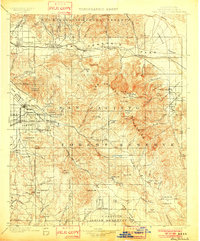
1901 · San Jacinto
USGS Topo · 1:125,000
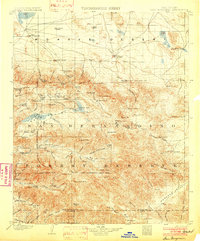
1902 · San Gorgonio
USGS Topo · 1:125,000
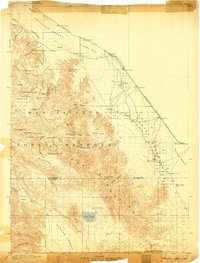
1904 · Indio
USGS Topo · 1:125,000
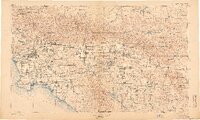
1904 · Southern California Sheet No. 1
USGS Topo · 1:250,000
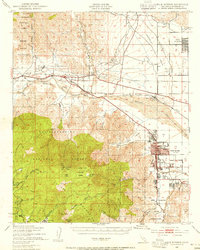
1940 · Palm Springs
USGS Topo · 1:62,500
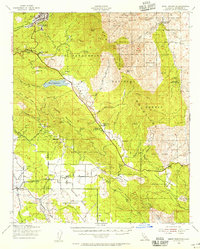
1940 · Hemet Reservoir
USGS Topo · 1:62,500
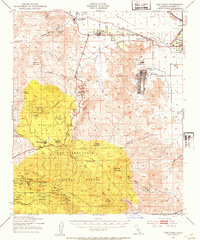
1941 · Toro Peak
USGS Topo · 1:62,500
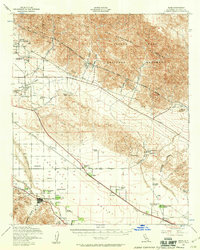
1941 · Edom
USGS Topo · 1:62,500
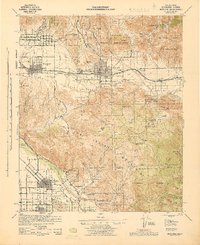
1942 · Banning
USGS Topo · 1:62,500