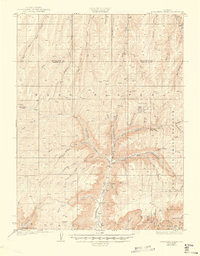
1927 Map of Parachute Creek
USGS Topo · Published 1948About this map
The Naval Oil Shale Reserve dominates this 1920s landscape in Garfield and Rio Blanco counties, reflecting early federal interest in energy resources. The rugged terrain is defined by the deep incisions of Parachute Creek and its many tributaries, including Middle Fork and East Fork. Human presence is sparse but specific to the era's industrial and ranching efforts, marked by remote outposts like Columbia Shale Camp and Washington Shale Camp.
Find a feature on this map
49 named features on this map. Tap any name to fly to it.
Don’t see what you’re looking for? This feature index may not catch every label — zoom into the map to look around manually.
Map Details
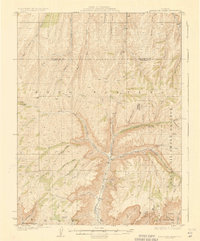
Editions of this 1927 Parachute Creek Map
3 editions found
Other maps of this area
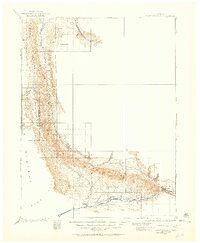
1906 · Grand Hogback
USGS Topo · 1:125,000
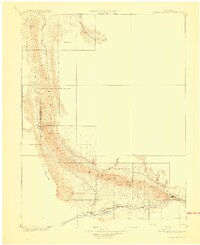
1910 · Grand Hogback
USGS Topo · 1:125,000
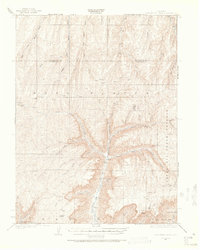
1925 · Parachute Creek
USGS Topo · 1:62,500
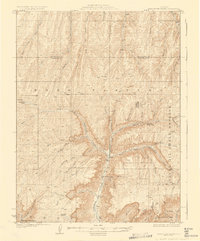
1927 · Parachute Creek
USGS Topo · 1:62,500
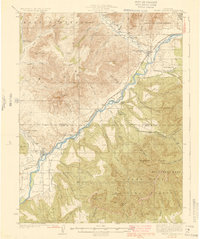
1929 · Grand Valley
USGS Topo · 1:62,500
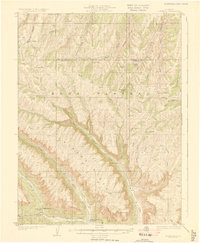
1929 · Highmore
USGS Topo · 1:62,500
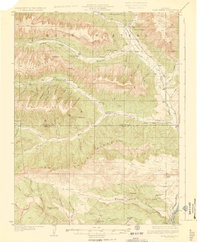
1929 · Roan Creek
USGS Topo · 1:62,500
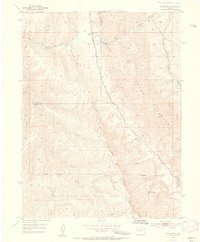
1952 · Rio Blanco
USGS Topo · 1:24,000
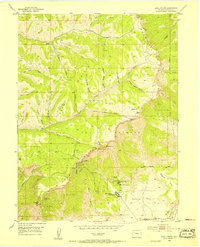
1952 · Anvil Points
USGS Topo · 1:24,000
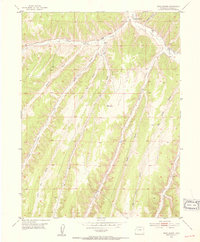
1952 · Rock School
USGS Topo · 1:24,000