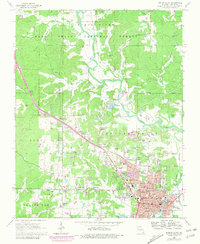
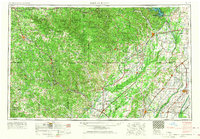
1966 Map of Poplar Bluff
USGS Topo · Published 1979About this map
Poplar Bluff serves as the regional hub in this 1960s study, which highlights a landscape transitioning between the urban center and the wooded reaches of the Mark Twain National Forest. The Black River meanders through the northeast, supporting small communities like Hilliard and Wilby. Significant infrastructure follows the Missouri Pacific railroad corridor, including the Landing Strip and industrial areas marked by a Gravel Pit and Clay Pit. The map is particularly useful for genealogists, as it identifies numerous family and community burial grounds such as Nunley Cem, Montgomery Cem, and Shadie Cem. Urban expansion is documented with purple revisions showing the growth of neighborhoods around Loma Linda and the Poplar Bluff Country Club. Residential development is also evident in the named areas of Cedar Valley and Shady Dell south of the city core.
Find a feature on this map
79 named features on this map. Tap any name to fly to it.
Don’t see what you’re looking for? This feature index may not catch every label — zoom into the map to look around manually.
Map Details
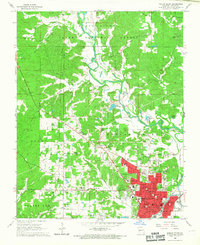
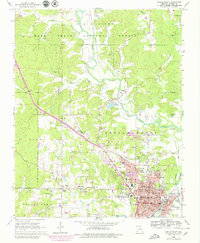
Editions of this 1966 Poplar Bluff Map
3 editions found
Other maps of this area
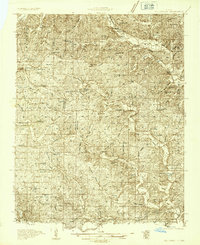
1934 · Williamsville
USGS Topo · 1:48,000
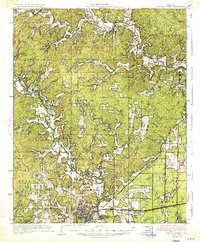
1935 · Poplar Bluff
USGS Topo · 1:62,500
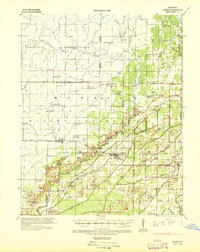
1935 · Acorn
USGS Topo · 1:62,500
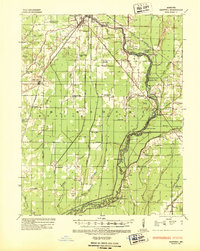
1935 · Harviell
USGS Topo · 1:62,500
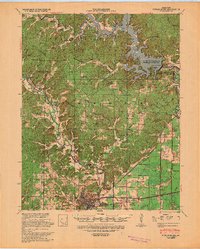
1939 · Poplar Bluff
USGS Topo · 1:62,500
1940 · Williamsville
USGS Topo · 1:62,500
1940 · Naylor
USGS Topo · 1:62,500
1944 · Naylor
USGS Topo · 1:62,500
1949 · Poplar Bluff
USGS Topo · 1:62,500
1957 · Poplar Bluff
USGS Topo · 1:250,000