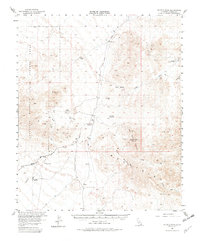
1953 Map of Quartz Peak
USGS Topo · Published 1981About this map
The Chocolate Mountain Aerial Gunnery Range dominates the western landscape of this mid-century survey, illustrating the extensive military presence in the California desert during the early Cold War. This arid terrain is defined by its isolation and its history of resource extraction, centered around the Black Mountains and the prominent Quartz Peak. The map documents a rugged economic life dependent on scattered water sources like Midway Well and Peter Kane Water Hole. Significant mining operations are visible, including the Paymaster Mine, Rainbow Mine, and the Gold Basin Rand Mine, alongside a network of Jeep Trails and the primary Blythe Ogilby Road. The presence of the Imperial Gables settlement and a dedicated Landing Strip suggest a period when even the most remote desert outposts were integrated into regional transport and defense networks.
Find a feature on this map
29 named features on this map. Tap any name to fly to it.
Don’t see what you’re looking for? This feature index may not catch every label — zoom into the map to look around manually.
Map Details
Editions of this 1953 Quartz Peak Map
4 editions found
Other maps of this area
1903 · Yuma
USGS Topo · 1:125,000
1905 · Yuma
USGS Topo · 1:125,000
1907 · Holtville
USGS Topo · 1:125,000
1942 · El Centro
USGS Topo · 1:250,000
1942 · Yuma
USGS Topo · 1:250,000
1942 · Blythe
USGS Topo · 1:250,000
1945 · Picacho Peak
USGS Topo · 1:62,500
1945 · Cibola
USGS Topo · 1:62,500
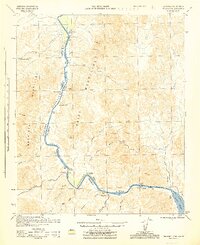
1945 · Picacho
USGS Topo · 1:62,500
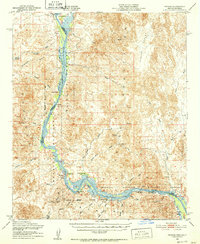
1951 · Picacho
USGS Topo · 1:62,500