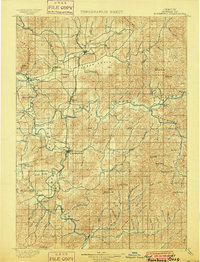
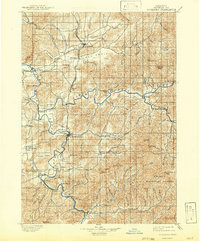
1900 Map of Roseburg
USGS Topo · Published 1900About this map
The confluence of the North Umpqua River and South Umpqua River serves as the focal point for this late nineteenth-century survey of Douglas County. Roseburg is established as the primary hub, situated where the river turns west toward Garden Valley. Transportation in this era relied heavily on the corridor established by the Southern Pacific railroad, which follows the river valley through settlements such as Winchester, Wilbur, and Dillard.
Find a feature on this map
104 named features on this map. Tap any name to fly to it.
Don’t see what you’re looking for? This feature index may not catch every label — zoom into the map to look around manually.
Map Details
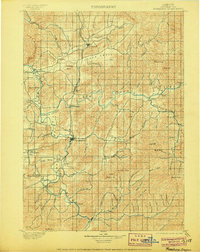
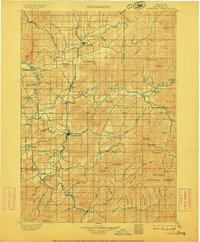
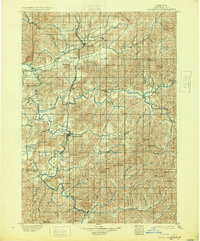
Editions of this 1900 Roseburg Map
5 editions found
Other maps of this area
1891 · Ashland
USGS Topo · 1:250,000
1893 · Ashland
USGS Topo · 1:250,000
1897 · Roseburg
USGS Topo · 1:125,000
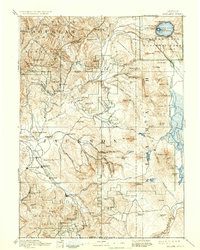
1897 · Ashland
USGS Topo · 1:250,000
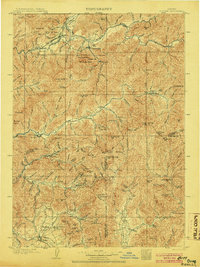
1904 · Riddle
USGS Topo · 1:125,000
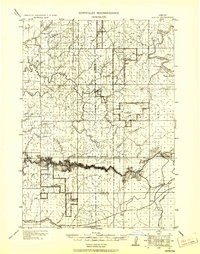
1928 · Sitkum
USGS Topo · 1:125,000
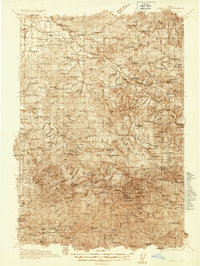
1935 · Lowell
USGS Topo · 1:96,000
1942 · Lowell
USGS Topo · 1:125,000
1944 · Tiller
USGS Topo · 1:62,500
1946 · Dutchman Butte
USGS Topo · 1:62,500