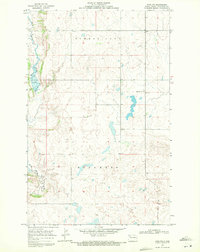
1969 Map of Ross NW
USGS Topo · Published 1971About this map
White Earth River meanders through the western reaches of this North Dakota landscape, carving a distinct valley through the rolling topography of Mountrail County. The area is defined by a series of kettle lakes and depressions, most notably the southern tip of Powers Lake and the marshy shores of Cottonwood Lake. Settlement patterns in the late 1960s were centered around small community hubs, evidenced by the Cottonwood Lake Ch and an adjacent Cem located east of the water. This survey, conducted under the administration of Governor William L. Guy, illustrates a rural economy reliant on the land, with local landmarks like a Townhall and a Gravel Pit serving the surrounding township sections. The map provides a clear record of the intersection between the natural glacial prairie and the established section-line roads that dictated North Dakota's early rural development.
Find a feature on this map
10 named features on this map. Tap any name to fly to it.
Don’t see what you’re looking for? This feature index may not catch every label — zoom into the map to look around manually.
Map Details
Editions of this 1969 Ross NW Map
This is the sole edition of this map. No revisions or reprints were ever made.
Other maps of this area
1953 · Williston
USGS Topo · 1:250,000
1957 · Williston
USGS Topo · 1:250,000
1969 · White Earth
USGS Topo · 1:24,000
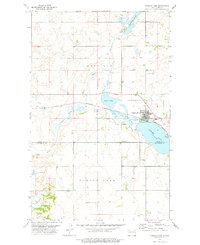
1977 · Powers Lake
USGS Topo · 1:24,000
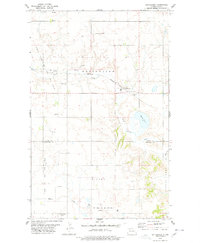
1978 · Battleview
USGS Topo · 1:24,000
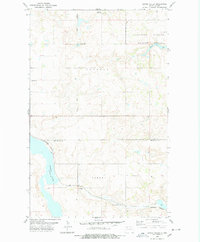
1978 · Lunds Valley
USGS Topo · 1:24,000
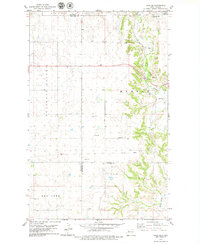
1979 · Tioga SE
USGS Topo · 1:24,000
1981 · Ross
USGS Topo · 1:24,000
1981 · Manitou
USGS Topo · 1:24,000
1981 · Cottonwood Lake
USGS Topo · 1:24,000