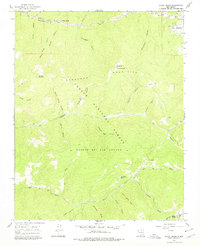
1965 Map of Shady Brook
USGS Topo · Published 1978About this map
Rio Fernando de Taos cuts through the high Sangre de Cristo landscape, anchoring a network of canyons and forest roads in the mid-1960s. The settlement at Shady Brook and the development at Valle Escondido sit near the northern boundary, while the Carson National Forest and Rancho del Rio Grande land grant dominate the southern terrain. This survey captures a specific era of mountain recreation and ranching history, evidenced by Capulin Campground and numerous named canyons like Mondragon Canyon and Mascareñas Canyon that reflect local family heritage. The network of high-altitude drainages, including Rito de la Olla and Rito Quien Sabe, shows the complex hydrology of the Taos and Mora County border. Cultural landmarks such as a high-altitude Cem and Bernardin Lake provide specific points of interest for genealogists and local historians.
Find a feature on this map
43 named features on this map. Tap any name to fly to it.
Don’t see what you’re looking for? This feature index may not catch every label — zoom into the map to look around manually.
Map Details
Editions of this 1965 Shady Brook Map
2 editions found
Other maps of this area
1954 · Raton
USGS Topo · 1:250,000
1958 · Raton
USGS Topo · 1:250,000
1964 · Taos
USGS Topo · 1:24,000
1964 · Tres Ritos
USGS Topo · 1:24,000
1964 · Ranchos De Taos
USGS Topo · 1:24,000
1965 · Osha Mountain
USGS Topo · 1:24,000
1965 · Chacon
USGS Topo · 1:24,000
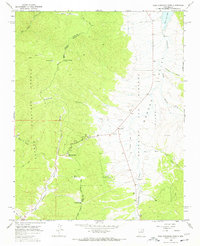
1965 · Palo Flechado Pass
USGS Topo · 1:24,000
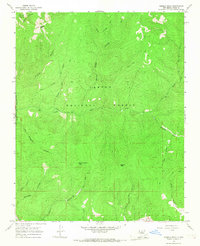
1965 · Pueblo Peak
USGS Topo · 1:24,000
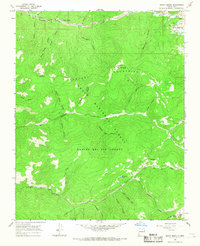
1965 · Shady Brook
USGS Topo · 1:24,000