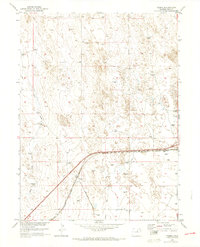
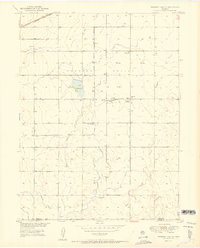
1950 Map of Tampa
USGS Topo · Published 1972About this map
Tampa stands as a primary focal point in this 1950s study of the high plains of eastern Colorado, positioned alongside the Burlington Northern railroad. The landscape is characterized by a sparse but vital network of water and infrastructure necessary for ranching and transport in a semi-arid region. Named landmarks such as Lutz Ranch provide specific points of interest for genealogists tracing local land ownership and settlement patterns. The terrain is defined by wide ephemeral drainage systems, most notably Ennis Draw and Lost Creek, which cut across the topography. Numerous windmills are indicated throughout the area, marking the critical reliance on groundwater to support the livestock and small settlements that dotted this portion of the Colorado-Weld county line during the mid-twentieth century.
Find a feature on this map
8 named features on this map. Tap any name to fly to it.
Don’t see what you’re looking for? This feature index may not catch every label — zoom into the map to look around manually.
Map Details
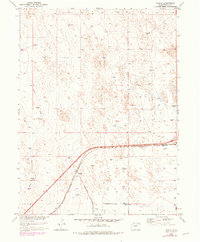
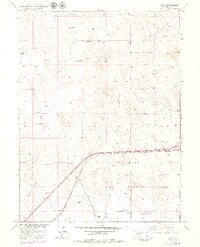
Editions of this 1950 Tampa Map
4 editions found
Other maps of this area
1902 · Greeley
USGS Topo · 1:125,000
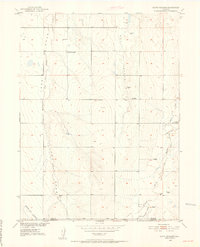
1950 · South Roggen
USGS Topo · 1:24,000
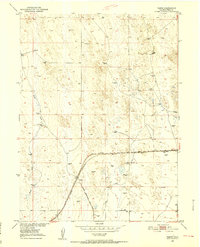
1950 · Tampa
USGS Topo · 1:24,000
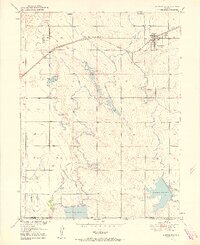
1950 · Keenesburg
USGS Topo · 1:24,000
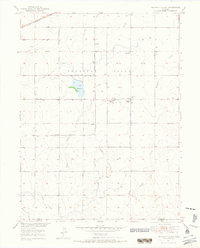
1950 · Prospect Valley
USGS Topo · 1:24,000
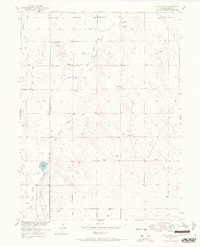
1950 · Klug Ranch
USGS Topo · 1:24,000
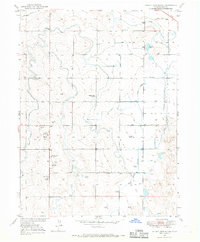
1950 · Valley View School
USGS Topo · 1:24,000
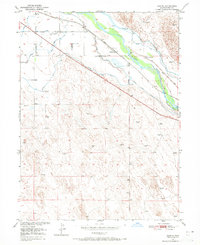
1950 · Hardin
USGS Topo · 1:24,000
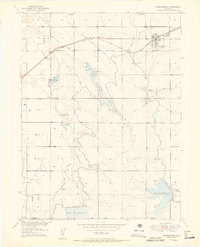
1951 · Keenesburg
USGS Topo · 1:24,000
1951 · Prospect Valley
USGS Topo · 1:24,000