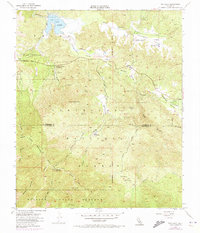
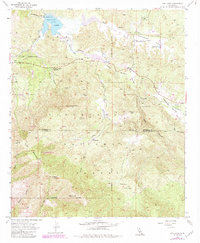
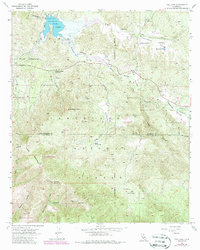
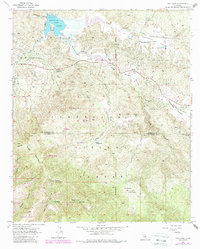
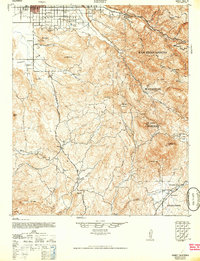
1953 Map of Vail Lake
USGS Topo · Published 1973About this map
Vail Lake dominates the northern terrain of this 1950s landscape, positioned where Temecula Creek and Wilson Creek converge. The area is defined by the transition from the Butterfield Valley into the high elevations of the Cleveland National Forest. Family-named landmarks and small settlements offer a look into the rural heritage of the region, including the Crosley Homestead and the community of Radec situated along Radec Valley.
Find a feature on this map
40 named features on this map. Tap any name to fly to it.
Don’t see what you’re looking for? This feature index may not catch every label — zoom into the map to look around manually.
Map Details
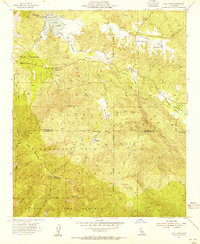
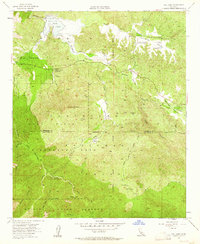
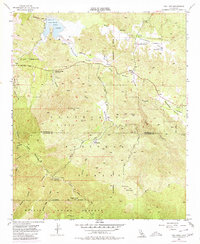
Editions of this 1953 Vail Lake Map
7 editions found
Other maps of this area
1901 · Southern California Sheet No. 1
USGS Topo · 1:250,000
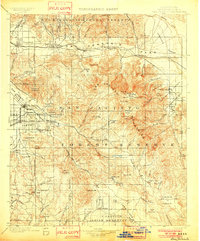
1901 · San Jacinto
USGS Topo · 1:125,000
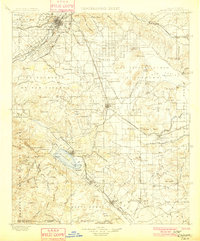
1901 · Elsinore
USGS Topo · 1:125,000
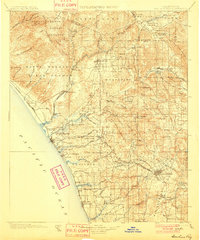
1901 · San Luis Rey
USGS Topo · 1:125,000
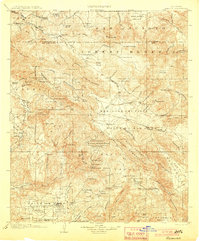
1903 · Ramona
USGS Topo · 1:125,000
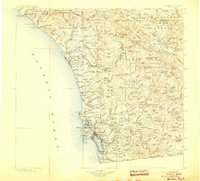
1904 · Southern California Sheet No. 2
USGS Topo · 1:250,000
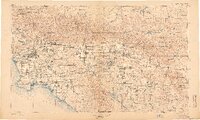
1904 · Southern California Sheet No. 1
USGS Topo · 1:250,000
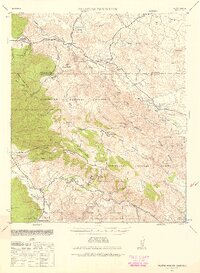
1939 · Palomar Mountain
USGS Topo · 1:62,500
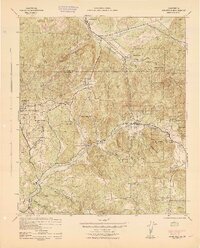
1942 · Temecula
USGS Topo · 1:62,500
1942 · Hemet
USGS Topo · 1:62,500