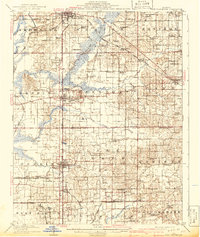
1909 Map of West Frankfort
USGS Topo · Published 1941About this map
The coal-mining and agriculture regions of Southern Illinois are visible here during a period of industrial expansion, with Benton and West Frankfort serving as major population centers. The map documents a dense network of early 20th-century transportation including the Illinois Central, Southern, and Coal Belt railroads, which facilitated the movement of resources from local mines. The landscape is dotted with rural identifiers essential for genealogy, such as Jackson Church, Antioch Church, and several district schools including Moore School and Brush Prairie School. Smaller, distinct communities like Deering City, Bessie, and Parrish provide evidence of early settlement patterns before later consolidation. The topography is defined by the winding Middle Fork Big Muddy River and numerous tributaries like Pond Creek, illustrating how the drainage of the Mississippi Embayment influenced road placement and township boundaries.
Find a feature on this map
79 named features on this map. Tap any name to fly to it.
Don’t see what you’re looking for? This feature index may not catch every label — zoom into the map to look around manually.
Map Details
Editions of this 1909 West Frankfort Map
2 editions found
Other maps of this area
1908 · Galatia
USGS Topo · 1:62,500
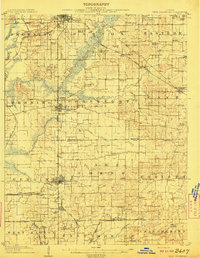
1909 · West Frankfort
USGS Topo · 1:62,500
1910 · Herrin
USGS Topo · 1:62,500
1922 · Carbondale
USGS Topo · 1:62,500
1925 · Marion
USGS Topo · 1:62,500
1925 · Harrisburg
USGS Topo · 1:62,500
1926 · Duquoin
USGS Topo · 1:62,500
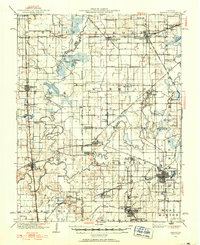
1936 · Herrin
USGS Topo · 1:62,500
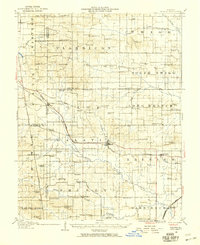
1938 · Galatia
USGS Topo · 1:62,500
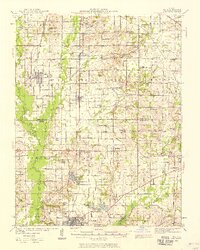
1939 · Ina
USGS Topo · 1:62,500