Old Maps of Dale County, Alabama for Hiking & Exploration
Hike through history with 114 historic maps of Dale County. Explore old trails, ghost towns, and forgotten backroads — perfect for outdoor adventurers and local explorers.
- Rediscover forgotten places: Map out old mining camps, roads, and footpaths that no longer exist on modern maps.
- Layer with modern tools: Combine with LiDAR or satellite views to plan hikes through historical terrain.
- Made for exploration: Popular among hikers, overlanders, and local history lovers.
Use these maps to find adventure and explore the hidden past of Dale County.
Dale County, AL maps
(114)- 1942 Map of Enterprise
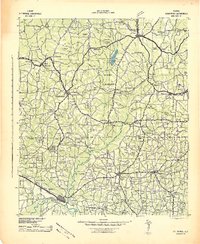 1942 Enterprise1942 Print · USGSSoutheast Alabama is shown at a wartime turning point, just as Camp Rucker was established. Family historians can trace hundreds of rural landmarks, from Oak Grove Ch & Sch to the New Prospect Ch.
 - 1948 Map of Ozark, 1965 Print
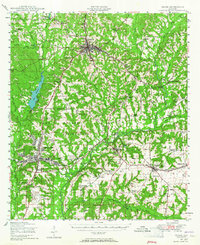 1948 Ozark1965 Print · USGSPostwar Dale County reveals a landscape in transition as rural milling communities adjust to the expansion of Camp Rucker. Genealogists can trace family landmarks like Claybank Church, Salem Cemetery, and the old crossroads at Browns Crossroads.
 - 1948 Map of Brundidge, 1965 Print
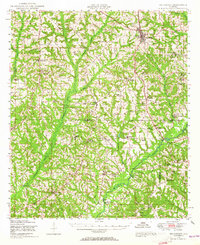 1948 Brundidge1965 Print · USGSSoutheast Alabama in the late 1940s is defined by a network of small farming communities and country churches connected by the Atlantic Coast Line. Genealogists and researchers can trace family-named landmarks such as Lowerys Mill, Coles Bridge, and Hamilton Crossroads School.
 - 1950 Map of Ozark
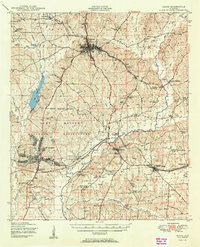 1950 Ozark1950 Print · USGSSoutheast Alabama in the postwar era is defined here by the rise of Camp Rucker and the steady rhythms of Dale County farming. Researchers can find many family landmarks, from Marley Mill to the Klondike School and Johnstown Cemetery.2 unique versions available
 - 1950 Map of Enterprise
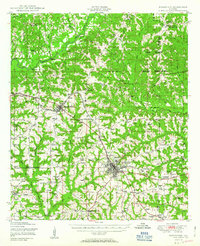 1950 Enterprise1950 Print · USGSEnterprise and the surrounding Wiregrass region of South Alabama appear here in the mid-century, defined by small farming communities and a growing military presence. Local historians can trace family-named landmarks like Dismukes Bridge and Weeks Bridge or locate rural landmarks such as Old Tabernacle Church and Shiloh School.2 unique versions available
 - 1950 Map of Brundidge
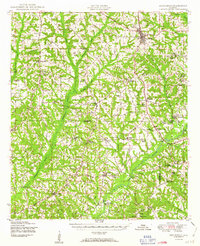 1950 Brundidge1950 Print · USGSBrundidge and the surrounding hills of Pike and Coffee Counties are captured here at mid-century as the local rail and river economy flourished. Genealogists can locate family landmarks like Arcus Cemetery or rural hubs such as Tarentum, Roeton, and Rocky Head.
 - 1953 Map of Dothan, 1966 Print
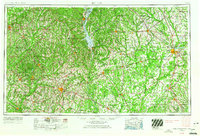 1953 Dothan1966 Print · USGSSoutheast Alabama and Southwest Georgia are captured during a period of massive hydraulic and military expansion in the mid-fifties. Genealogists and historians can trace rural landmarks like Antioch Church and School, the Andrew Jackson Monument, and the early footprint of Fort Rucker Military Reservation.3 unique versions available
 - 1954 Map of Dothan
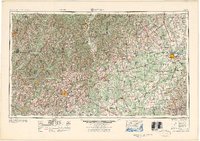 1954 Dothan1954 Print · USGSSoutheast Alabama and Southwest Georgia are seen here in the mid-fifties, during a decade of military expansion and rural transition. Genealogists can trace the location of country schools like Little Zion School or the grounds of Kolomoki Mounds State Park.
 - 1955 Map of Dothan
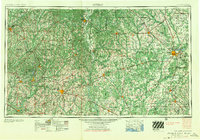 1955 Dothan1955 Print · USGSSoutheast Alabama and Southwest Georgia are captured here in the mid-fifties, showing a landscape of river-port history and growing military bases. Researchers can trace rural life via the Andrew Jackson Monument, Bauxite mines, and the Central of Georgia RR.
 - 1957 Map of Malvern
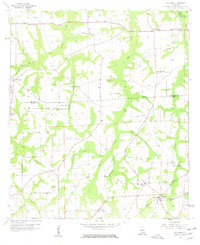 1957 Malvern1957 Print · USGSSoutheast Alabama at the edge of the Wiregrass region reveals a landscape of tight-knit farming communities and rural road networks during the late fifties. Genealogists can trace family roots through numerous local landmarks like Malvern Sch, Oak Grove Cem, and Bethlehem Ch.3 unique versions available
 - 1957 Map of Geneva, 1958 Print
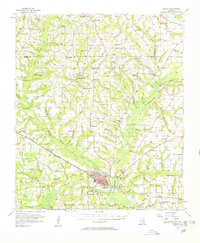 1957 Geneva1958 Print · USGSGeneva and its surrounding river valleys come into focus in the late 1950s, showing a landscape defined by the Choctawhatchee River and rural industry. Genealogists and local historians can trace family-named sites like McDuffie Cem, Vanlandingham Mill, and the Consolation Cem.2 unique versions available
 - 1957 Map of Hartford, 1958 Print
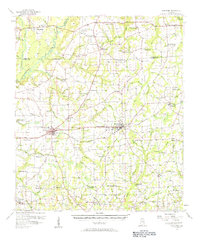 1957 Hartford1958 Print · USGSSoutheastern Alabama's rural landscape is captured here in the late fifties as small communities like Hartford and Slocomb anchored the tri-county area. Genealogists can locate family landmarks such as Wright Chapel Cem, the Wicksburg Sch, and the Tate Jr High Sch.
 - 1957 Map of Bellwood, 1959 Print
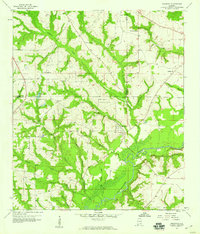 1957 Bellwood1959 Print · USGSGeneva and Coffee County in the late fifties show a landscape defined by the Choctawhatchee River and its rural creek valleys. Researchers can trace ancestral locations near Bellwood, Consolation Cem, and numerous country churches like Cool Springs Ch.2 unique versions available
 - 1957 Map of Clayhatchee, 1959 Print
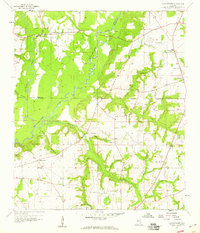 1957 Clayhatchee1959 Print · USGSThe Choctawhatchee River basin in the late fifties shows a landscape of tightly knit farming communities and country churches. Genealogists can trace family footprints through sites like Wicksburg Sch, Shiloh Cem, and Mt Gilead Ch.4 unique versions available
 - 1960 Map of Ewell, 1963 Print
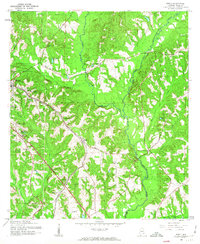 1960 Ewell1963 Print · USGSThe Dale County countryside outside Ozark was undergoing significant postwar development in the early sixties. Researchers can trace the path of the Atlantic Coast Line through rural Ewell or find family landmarks like Chalk Head Ch and Johnsons Pond.2 unique versions available
 - 1960 Map of Brundidge SE, 1963 Print
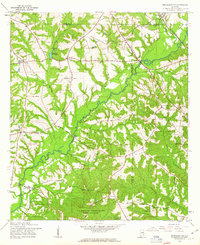 1960 Brundidge SE1963 Print · USGSCoffee County during the early sixties is captured here as a landscape of river-bottom farms and small rail stops. Genealogists can trace the rural communities of Tennille, Roeton, and Java alongside historic landmarks like Prestwood Millpond and New Tabernacle Ch.2 unique versions available
 - 1960 Map of Pinckard, 1963 Print
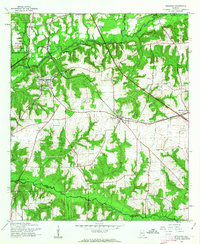 1960 Pinckard1963 Print · USGSSoutheast Alabama at the start of the sixties reveals a landscape of river-bottom farms and growing rail towns. Genealogists can locate family landmarks like New Hope Ch, the Woodham Cem, and the river crossing at William Grady Stembridge Bridge.3 unique versions available
 - 1960 Map of Enterprise NE, 1963 Print
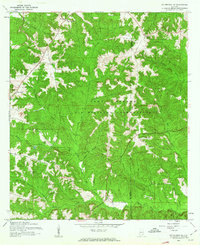 1960 Enterprise NE1963 Print · USGSIn the Alabama Wiregrass during the early sixties, the landscape was defined by rural church communities and the expansion of the military. Genealogists and historians can trace family sites at Wesley Chapel Cem, Old Tabernacle Ch, and the Fort Rucker U. S. Military Reservation boundary.2 unique versions available
 - 1960 Map of Daleville, 1964 Print
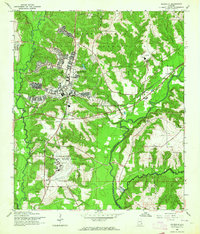 1960 Daleville1964 Print · USGSDaleville and the surrounding Wiregrass region are shown here at the height of military expansion during the early sixties. Researchers can trace the development of Fort Rucker aviation facilities alongside local sites like Moores Chapel and the Atlantic Coast Line railroad.3 unique versions available
 - 1960 Map of Enterprise, 1964 Print
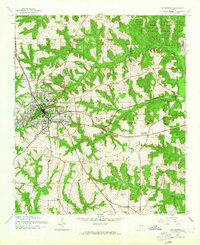 1960 Enterprise1964 Print · USGSEnterprise and the surrounding Wiregrass region are shown here in the early 1960s as military and rail infrastructure shaped the landscape. Researchers can trace rural life through landmarks like Macedonia Cem, Level Plains Crossroads, and the Atlantic Coast Line.3 unique versions available
 - 1960 Map of Ozark, 1964 Print
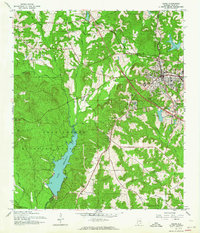 1960 Ozark1964 Print · USGSIn the early 1960s, the area around Ozark shows a landscape defined by the growth of the Fort Rucker Military Reservation. Researchers can trace family history at Old Salem Cem or locate the historic Marley Millpond and Hopeful Primitive Ch.2 unique versions available
 - 1962 Map of Enterprise NE
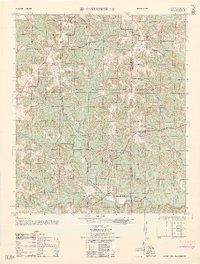 1962 Enterprise NE1962 Print · USGSSoutheast Alabama is captured in the early sixties as rural farm communities met the expansion of the military. Genealogists and local historians can trace the sites of El Bethel Church, the Ebenezer Cemetery, and old landmarks like the fire tower.
 - 1962 Map of Pinckard
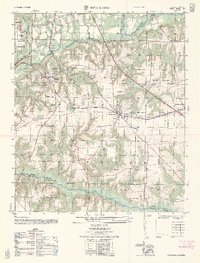 1962 Pinckard1962 Print · USGSSoutheast Alabama is captured here in the early sixties as the railroad and the Choctawhatchee river forks defined local life. Genealogists can locate family landmarks like the Woodland Cemetery, Pinckard High School, and the Union School Cemetery.
 - 1962 Map of Brundidge SE
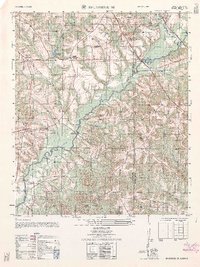 1962 Brundidge SE1962 Print · USGSCoffee and Dale counties in the early sixties reveal a landscape of river-bottom farms and emerging military installations. Genealogists can trace family roots through sites like Tennille, Roeton, and the Mt Olive Cemetery.
 - 1962 Map of Ewell
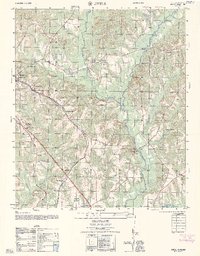 1962 Ewell1962 Print · USGSThe rural landscape of Dale County comes into focus in the early sixties as the railroad and highway systems expanded around Ewell. Researchers can trace old family roots at Friendship Church Cem, locate Matson, and find landmarks like the Ozark Municipal Airport.
Showing maps 1-25 of 114
Top cities of Dale County
- Ozark historical maps
- Daleville historical maps
- Midland City historical maps
- Level Plains historical maps
- Newton historical maps
- Ariton historical maps
See more
Frequently asked questions
- What are the different types of historical maps available for Dale County?
- What is the oldest map of Dale County?
- Where can I purchase historical maps of Dale County for my home or office?
- Where can I download high-res historical maps of Dale County?
- Are there historical topographic maps available for Dale County?
- Is there historical aerial imagery available for Dale County?
- Where are historical maps of Dale County sourced from?