1950s Maps of Anchorage, Alaska
Explore 28 historic maps of Anchorage from the 1950s. These maps offer a rare glimpse into what life looked like during the 1950s — showing old roads, neighborhoods, homes, and landmarks that have changed or disappeared over time.
Whether you're researching your family's past, planning a metal detecting trip, or studying how Anchorage's landscape evolved across the 1950s, these high-resolution maps are a powerful tool for exploring the history of this region.
- Focus on a specific era: All maps on this page are from the 1950s, giving you a focused view of this time period.
- See what’s changed: Compare century-old streets, trails, and buildings to today's modern landscape using overlays and satellite layers.
- Research with precision: Use these maps for genealogy, historical research, land use analysis, or educational projects.
- View, download, or print: Maps are fully viewable online in high resolution, and can be downloaded or printed for your own records.
Start exploring Anchorage's history through authentic maps from the 1950s. This is your window into the past.
Anchorage, AK maps
(28)- 1951 Map of Seward
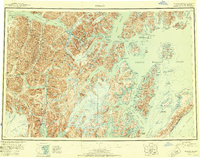 1951 Seward1951 Print · USGSThe Kenai Peninsula and Prince William Sound come to life in the early 1950s as the rail and maritime networks linked remote coastal outposts. Genealogists and historians can trace the Alaska Railroad corridor through Seward, find the Jesse Lee Indian School, and locate isolated camps like Latouche and Chenega.4 unique versions available
 - 1951 Map of Anchorage
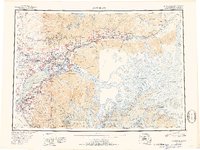 1951 Anchorage1951 Print · USGSMid-century Anchorage and the Matanuska Valley are seen here during a period of rapid strategic growth. Trace the development of Fort Richardson, early rail stops at Wasilla, and established mining operations like the Independence Mine or Premier Mine.4 unique versions available
 - 1951 Map of Tyonek
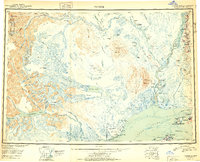 1951 Tyonek1951 Print · USGSThe Cook Inlet and the Alaska Range come into focus in the early fifties as the region's rail and trail networks evolved. Trace the path of the Alaska Railroad through Willow or locate the historic Iditarod Trail near Susitna.
 - 1951 Map of Seward C-6, 1963 Print
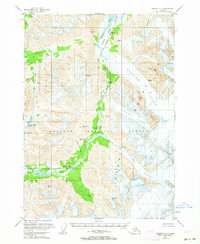 1951 Seward C-61963 Print · USGSThe Kenai Mountains and the vital Alaska Railroad corridor are documented here in the early 1950s. Trace the remote rail infrastructure and mountain settlements at Spencer, Grandview, and the Snoring Inn as the tracks wind past Spencer Glacier.4 unique versions available
 - 1951 Map of Seward D-5, 1963 Print
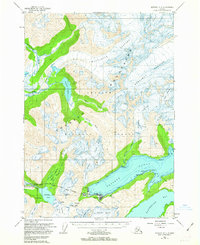 1951 Seward D-51963 Print · USGSWhittier serves as a critical railroad terminus and maritime gateway in the early fifties. Local researchers can trace the industrial layout of the town, including The Tunnel, the CAA Station, and the proximity of the Portage Mine.3 unique versions available
 - 1951 Map of Seward C-5, 1964 Print
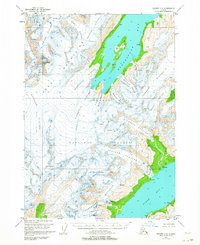 1951 Seward C-51964 Print · USGSThe Kenai Peninsula coastline is revealed in detail during the early 1950s, showing a landscape shaped by ice and sea. Researchers can trace the massive ice fields of Portage Glacier, the peaks around Blackstone Bay, and landmarks like Willard Island.4 unique versions available
 - 1951 Map of Tyonek A-2, 1965 Print
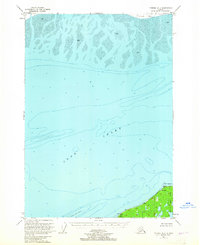 1951 Tyonek A-21965 Print · USGSUpper Cook Inlet and the Kenai Peninsula appear in the early fifties as a maritime frontier of homesteads and protected wilds. Local researchers can trace early coastal settlements at Possession and isolated sites like Cabins HES NO 138 along the Kenai National Moose Range.3 unique versions available
 - 1951 Map of Seward D-4, 1965 Print
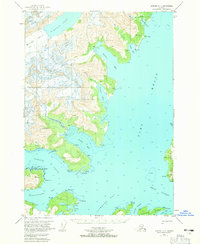 1951 Seward D-41965 Print · USGSCoastal Alaska in the early fifties is defined here by its massive glaciers and maritime mining outposts. Trace historic activity at Granite Mine, locate remote cabins along Hobo Bay, and explore the shoreline of Culross Island during this era of exploration.5 unique versions available
 - 1951 Map of Seward D-8, 1967 Print
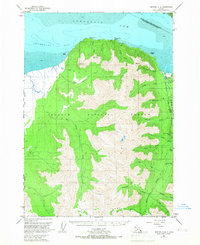 1951 Seward D-81967 Print · USGSThe northern Kenai Peninsula comes into focus in the early 1950s, centered on the mining town of Hope and its surrounding wilderness. Researchers can trace historic claims at the Robinson-Bowman Mine or follow the path of the Ski-Mobile Trail along the bay.2 unique versions available
 - 1951 Map of Seward D-7, 1968 Print
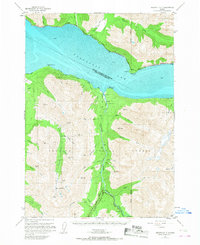 1951 Seward D-71968 Print · USGSThe northern Kenai Peninsula comes into focus in the early fifties as mining operations and transportation routes defined the rugged interior. Genealogists and historians can trace the foundations of Sunrise and Swetmann Camp or locate the Connolly Mine and Hope Cem.3 unique versions available
 - 1951 Map of Tyonek A-1, 1971 Print
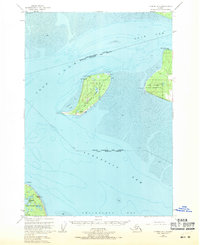 1951 Tyonek A-11971 Print · USGSThe upper Cook Inlet and Fire Island are captured in the early 1950s, showing a critical maritime and military landscape just west of Anchorage. Researchers can locate early aviation markers like the Landing Strip and coastal landmarks such as Fire Island Light and Pt Possession.2 unique versions available
 - 1951 Map of Seward D-6, 1975 Print
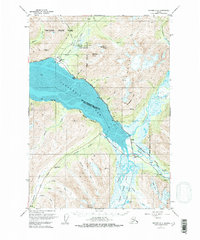 1951 Seward D-61975 Print · USGSAnchorage and the Kenai Peninsula meet at the head of Turnagain Arm in the early fifties. Local historians can trace the early footprint of Girdwood, the rail siding at Portage (Site), and the facilities at Lower Engineers Camp.
 - 1952 Map of Tyonek A-2, 1954 Print
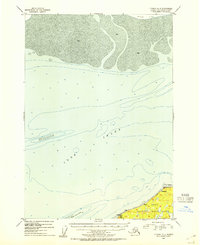 1952 Tyonek A-21954 Print · USGSThe northern Kenai Peninsula and the waters of Cook Inlet are captured here in the early 1950s. Local history researchers can locate the small settlement at Possession and trace the northern boundary of the Kenai National Moose Range.2 unique versions available
 - 1952 Map of Tyonek A-1, 1954 Print
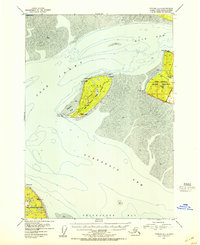 1952 Tyonek A-11954 Print · USGSThe upper Cook Inlet in the early fifties was a landscape of strategic military outposts and essential maritime lights. Genealogists and historians can trace mid-century infrastructure from the Point Campbell ACS Station to the Landing Strip on Fire Island.3 unique versions available
 - 1952 Map of Seward D-5, 1954 Print
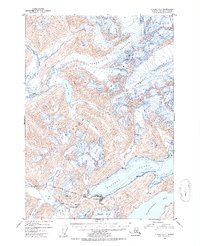 1952 Seward D-51954 Print · USGSThe strategic port of Whittier and its surrounding glacial peaks are captured here in the early fifties during its peak era as a military rail terminal. Researchers can trace the vital Alaska Railroad Tunnel, the Airstrip, and the massive face of Portage Glacier.2 unique versions available
 - 1952 Map of Seward C-6, 1954 Print
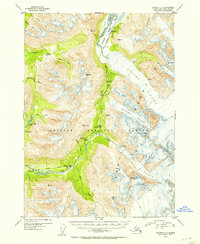 1952 Seward C-61954 Print · USGSThe high passes of the Kenai Peninsula come into focus in the early fifties, where The Alaska Railroad climbs toward its summit. Trace the rail line through the Placer River Valley to find remote stops like Grandview, Hunter, and the Snoring Inn.2 unique versions available
 - 1952 Map of Seward D-8, 1954 Print
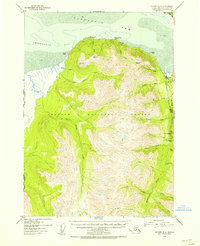 1952 Seward D-81954 Print · USGSThe settlement at Hope and the surrounding gold-bearing gulches are captured here in the early fifties during a period of wilderness mapping. Historians and researchers can trace the locations of the Robinson Bowman Mine and the Pearson Mine, along with early travel routes like the Ski-Mobile Trail.3 unique versions available
 - 1952 Map of Seward D-4, 1954 Print
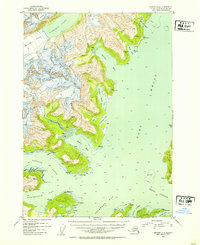 1952 Seward D-41954 Print · USGSPrince William Sound in the early fifties shows a landscape of deep fjords and active resource extraction within the Chugach National Forest. Researchers can trace early maritime markers and industry at Granite Mine, Pt Pigot Light, and the Logging Camp Bay along the shoreline.2 unique versions available
 - 1952 Map of Seward D-6, 1954 Print
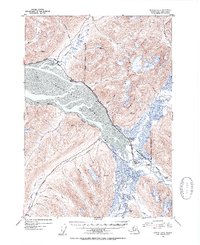 1952 Seward D-61954 Print · USGSTurnagain Arm and the surrounding Chugach mountains are captured here in the early fifties during a period of expanding coastal infrastructure. Researchers can trace the path of The Alaska Railroad past Girdwood and Portage, or locate the Twentymile Sawmill and Lower Engineers Camp in the river valleys.3 unique versions available
 - 1952 Map of Seward C-5, 1954 Print
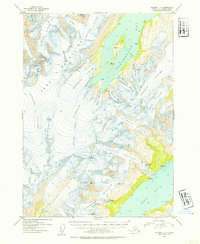 1952 Seward C-51954 Print · USGSThe ice-choked fjords of the Kenai Peninsula are captured here in the early fifties, showing a wilderness of massive tidewater glaciers. Researchers can trace the mid-century footprints of Portage Glacier, Blackstone Glacier, and Spencer Glacier.2 unique versions available
 - 1952 Map of Seward D-7, 1954 Print
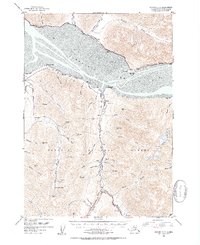 1952 Seward D-71954 Print · USGSThe Kenai Peninsula coastline and its inland mining camps are captured here just after the war, showing the vital transit corridor along the northern shore. Genealogists and historians can locate old burial sites like Sunrise Cemetery and trace the paths to early mining operations such as Swetmann Mine and Downing Mine.3 unique versions available
 - 1952 Map of Anchorage A-8, 1963 Print
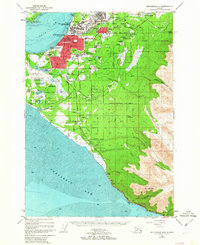 1952 Anchorage A-81963 Print · USGSAnchorage and its surrounding military hubs are shown here during a period of rapid mid-century expansion. Trace the early footprints of Spenard and Mountain View, or locate landmarks like the International Airport and the Alaska Railroad.4 unique versions available
 - 1952 Map of Anchorage B-8, 1965 Print
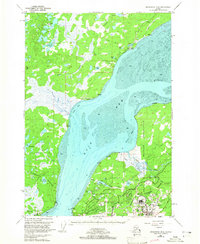 1952 Anchorage B-81965 Print · USGSNorth of Anchorage in the early fifties, the landscape transitions from the historic Iditarod Trail at Knik to the rising military infrastructure of Elmendorf Air Force Base. Trace early transportation routes like the Alaska Railroad and Glenn Highway as they cross the Eagle River Flats.
 - 1953 Map of Anchorage A-8, 1954 Print
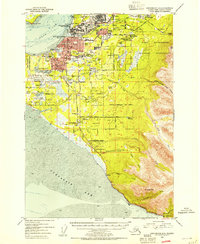 1953 Anchorage A-81954 Print · USGSAnchorage during the early 1950s reveals a city rapidly expanding around its military bases and new aviation hubs. Researchers can trace the development of early neighborhoods like Spenard, the operations of the Alaska Railroad, and local landmarks like the Prison Farm.2 unique versions available
 - 1953 Map of Anchorage B-8, 1954 Print
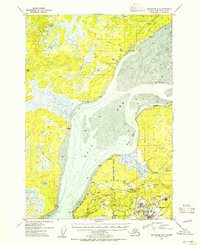 1953 Anchorage B-81954 Print · USGSThe Knik Arm and upper Cook Inlet region show a mix of historic dog-team routes and Cold War military growth in the early fifties. You can trace the Iditarod Trail near Knik or locate early landmarks like Sandpiper Lodge and the Kermit Roosevelt Memorial Cem.2 unique versions available
Showing maps 1-25 of 28
Top cities of Anchorage
Frequently asked questions
- What are the different types of historical maps available for Anchorage?
- What is the oldest map of Anchorage?
- Where can I purchase historical maps of Anchorage for my home or office?
- Where can I download high-res historical maps of Anchorage?
- Are there historical topographic maps available for Anchorage?
- Is there historical aerial imagery available for Anchorage?
- Where are historical maps of Anchorage sourced from?