Old Maps of Sedona, Arizona for Genealogy
Trace your family roots with 30 historic maps of Sedona. These high-res maps reveal old neighborhoods, homesites, landmarks, and streets — helping you uncover where your ancestors lived and how the area evolved over time.
- Explore historic neighborhoods: Identify where your relatives may have lived in the 1800s or 1900s.
- Compare maps over time: Trace the changes in streets, buildings, and landmarks for multi-generational research.
- Perfect for genealogy & ancestry research: Used by family historians and researchers to map out lineage and migration.
These maps are an incredible resource for exploring your personal connection to Sedona's past.
Sedona, AZ maps
(30)- 1887 Map of Verde
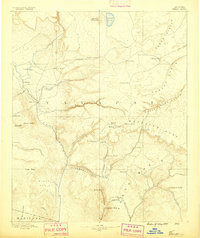 1887 Verde1887 Print · USGSCentral Arizona at the height of the territorial era is defined by the military presence at Fort Verde and the ranching settlements below the Mogollon Mesa. Genealogists and researchers can trace the early foundations of Payson, Pine, and Strawberry or locate landmarks like Montezuma Well and Natural Bridge.
 - 1892 Map of Verde
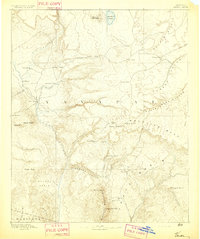 1892 Verde1892 Print · USGSArizona's territorial frontier is captured in the late nineteenth century as the first ranching and military outposts emerged. Trace the earliest layouts of Payson, Fort Verde, and Strawberry alongside landmarks like Montezuma Well and Natural Bridge.5 unique versions available
 - 1923 Map of Camp Verde
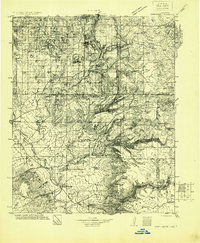 1923 Camp Verde1923 Print · USGSCentral Arizona's river valleys and high plateaus appear here during the early twenties, showing the region's shift toward tourism and settlement. Trace the routes to Montezuma Castle Nat Monument or locate early sites like Cornville and Aultman.
 - 1932 Map of Camp Verde, 1959 Print
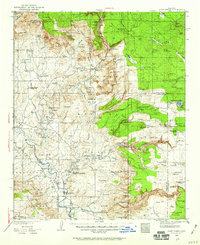 1932 Camp Verde1959 Print · USGSThe Verde Valley and the Mogollon Rim are documented here in the early 1930s, showing a landscape of remote cattle ranches and historic ruins. Researchers can trace early schools and homesteads like Red Rock Sch, Middle Verde, and Indian Gardens alongside Montezuma Well.2 unique versions available
 - 1936 Map of Camp Verde
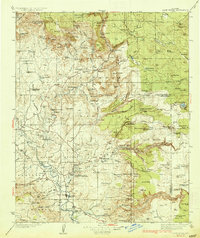 1936 Camp Verde1936 Print · USGSThe Verde Valley and Red Rock country are captured in the mid-1930s, showing a landscape of pioneer ranches and ancient ruins. Researchers can locate the early footprints of Sedona and Camp Verde, alongside remote landmarks like Montezuma Castle National Monument and the Stoneman Lake area.3 unique versions available
 - 1954 Map of Holbrook, 1966 Print
 1954 Holbrook1966 Print · USGSNorth-central Arizona is seen here during the mid-fifties, from the high plateau of the Mogollon Rim to the Verde Valley. Researchers can trace the early growth of Holbrook, locate remote camps like Happy Jack, and explore the roads around Montezuma Castle National Monument.3 unique versions available
 - 1957 Map of Holbrook
 1957 Holbrook1957 Print · USGSNorthern Arizona in the mid-fifties is defined by the high-plateau timberlands and the bustling rail corridor of the Little Colorado River valley. Genealogists and historians can trace the route of U.S. 66 through Holbrook or locate more remote outposts like Zeniff and Aripine.
 - 1958 Map of Holbrook
 1958 Holbrook1958 Print · USGSNortheastern Arizona's high country is captured here during the mid-fifties, showing the growth of mountain towns and timber lands. Researchers can trace the Atchison Topeka & Santa Fe RR through Holbrook or find vanished spots like Zeniff.
 - 1960 Map of Holbrook
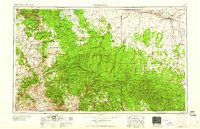 1960 Holbrook1960 Print · USGSNorthern Arizona is captured here just as modern highways began to reshape the cattle and timber country of the Colorado Plateau. Genealogists and historians can trace the early footprints of Snowflake, Sedona, and Payson, alongside the Atchison Topeka & Santa Fe RR rail line.
 - 1965 Map of Munds Mountain, 1967 Print
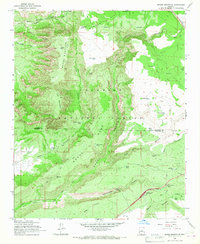 1965 Munds Mountain1967 Print · USGSThe Coconino National Forest high country is shown here in the mid-sixties, highlighting the winding ascent of Schnebly Hill Road. Trace early backcountry routes and water sites like Robbers Roost, Woods Ranch, and the Stoneman Lake Interchange.3 unique versions available
 - 1965 Map of Munds Park, 1968 Print
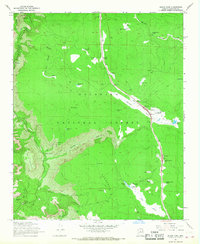 1965 Munds Park1968 Print · USGSMunds Park and the surrounding Coconino National Forest are captured here in the mid-sixties during a period of expanding recreational use. Local historians can trace the route of the Industrial Railroad or locate historic sites like Foxboro Ranch and the enclave at Indian Gardens.4 unique versions available
 - 1969 Map of Sedona, 1971 Print
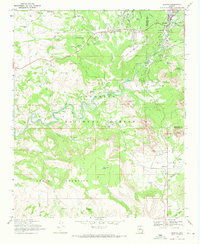 1969 Sedona1971 Print · USGSArizona's red rock country is captured here during the late sixties, showing the early growth of Sedona and Grasshopper Flat. Local historians can trace early developments like the Sedona Sch and Verde Valley Sch alongside landmarks like Cathedral Rock and Bell Rock.2 unique versions available
 - 1969 Map of Wilson Mountain, 1972 Print
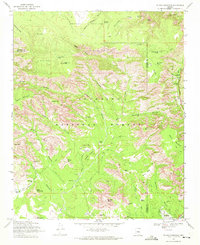 1969 Wilson Mountain1972 Print · USGSThe high red-rock country north of Sedona comes into focus during the late sixties, showing the transition from a remote forest landscape to a burgeoning destination. Hikers and historians can locate Cliff Dwellings, primitive roads like Boynton Pass Road, and landmarks including Vultee Arch and Devils Bridge.2 unique versions available
 - 1980 Map of Sedona, 1996 Print
 1980 Sedona1996 Print · USGSThe red rock country around Sedona and the Verde Valley are captured in the late twentieth century, showing a mix of ancient sites and modern growth. Genealogists and researchers can trace local landmarks like Cornville, the Camp Verde Indian Reservation, and Montezuma Castle National Monument.
 - 2011 Map of Munds Mountain, 2011 Print
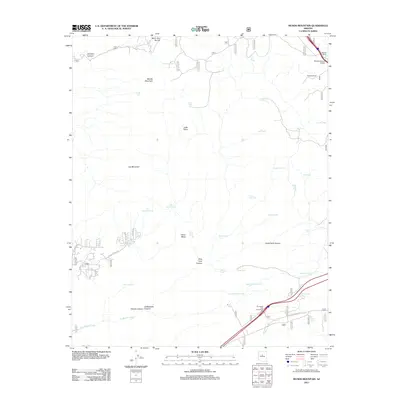 2011 Munds Mountain2011 Print · USGSThe Sedona backcountry at the turn of the decade is revealed through its intricate canyons and cattle-country infrastructure. Researchers can trace the layout of Woods Ranch or locate named landmarks like Robbers Roost and Merry-Go-Round.
 - 2011 Map of Munds Park, 2011 Print
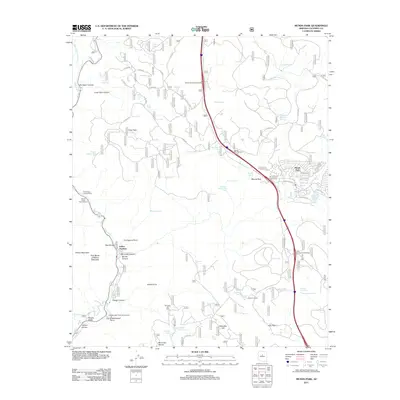 2011 Munds Park2011 Print · USGSCoconino County's high country and canyon floors are captured here in the early twenty-first century as recreation and residency define the landscape. Trace the rugged terrain from Oak Creek Canyon to the residential streets of Munds Park and landmarks like Schnebly Hill Vista.
 - 2011 Map of Wilson Mountain, 2011 Print
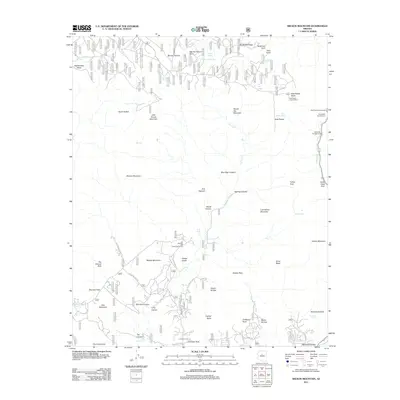 2011 Wilson Mountain2011 Print · USGSThe Sedona backcountry and high forest plateaus are captured here in the early 2000s, showing a transition from recreation to wilderness. Researchers can trace forest management through the East Pocket Lookout Tower and early developed sites like Banjo Bill Campground or the Sedona-Oak Creek Golf Course.
 - 2011 Map of Sedona, 2011 Print
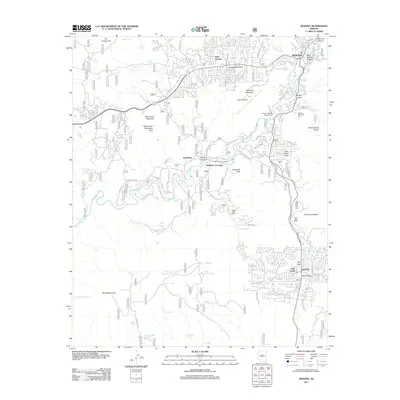 2011 Sedona2011 Print · USGSThe Sedona area at the start of the 2010s reveals a unique intersection of modern development and iconic geological landmarks. Trace the growth of Sedona and Big Park while locating sites like Baldwins Crossing and Devils Dining Room.
 - 2014 Map of Wilson Mountain, 2014 Print
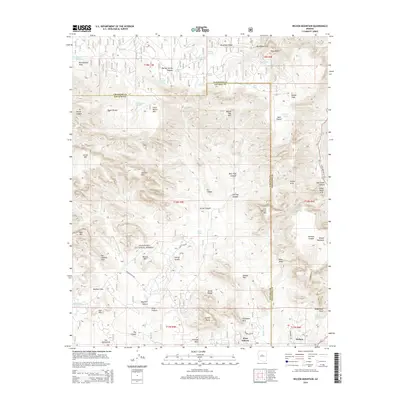 2014 Wilson Mountain2014 Print · USGSThe red rock country surrounding Sedona appears here in high detail during its twenty-first-century expansion. Researchers can trace the proximity of West Sedona to geological landmarks like Devils Bridge, Vultee Arch, and the towering Wilson Mountain.
 - 2014 Map of Sedona, 2014 Print
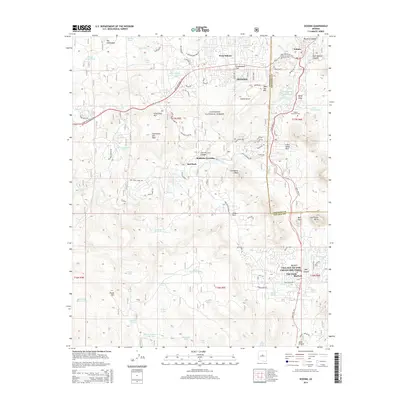 2014 Sedona2014 Print · USGSThe high desert landscape around Sedona is mapped here at the height of its modern growth, showing the intricate relationship between development and the surrounding forest. Trace historical ranching and water marks like Baldwins Crossing, Girdner Tank, and the sprawling Coconino National Forest.
 - 2014 Map of Munds Park, 2014 Print
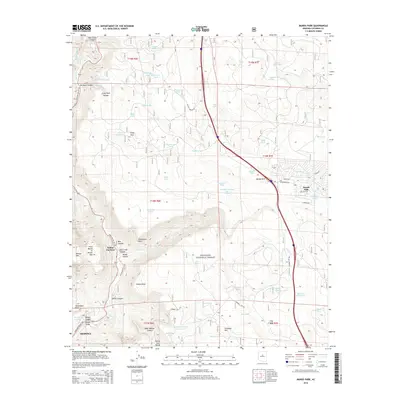 2014 Munds Park2014 Print · USGSSedona and the high plateaus of the Coconino National Forest are captured here in the early twenty-first century. Researchers can trace historic access routes like Schnebly Hill Rd and find landmarks such as Midgley Bridge and Indian Gardens.
 - 2014 Map of Munds Mountain, 2014 Print
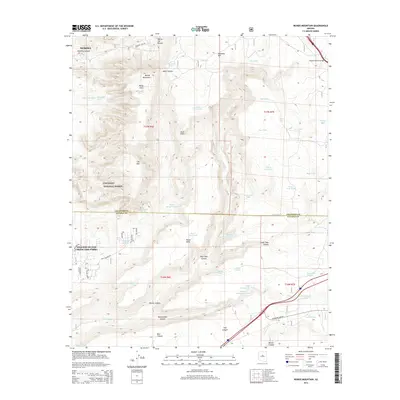 2014 Munds Mountain2014 Print · USGSThe Red Rock country around Sedona and the Village of Oak Creek is shown here in the mid-2010s. Researchers can trace land management across the Coconino National Forest and locate specific features like Schnebly Hill and Munds Mountain.
 - 2018 Map of Munds Park, 2018 Print
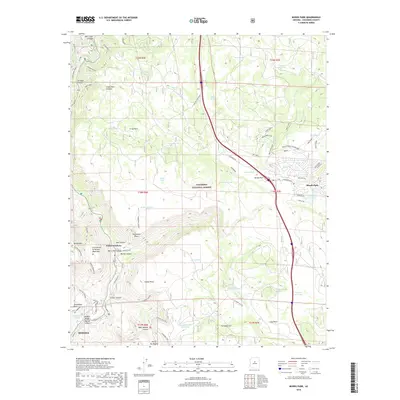 2018 Munds Park2018 Print · USGSArizona's red rock transitions and high-country forests are captured here just before the end of the decade. Trace historic routes like Schnebly Hill Rd, locate the settlement at Indian Gardens, and see the development around Odell Lake.
 - 2018 Map of Wilson Mountain, 2018 Print
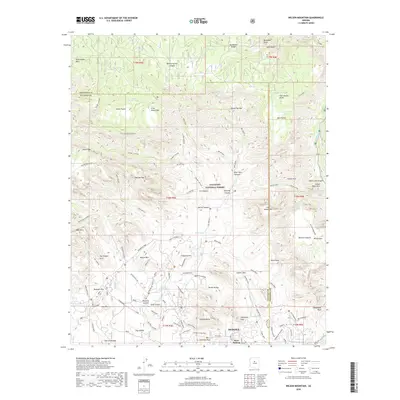 2018 Wilson Mountain2018 Print · USGSThe red rock country surrounding Sedona is shown in detail during the late 2010s, illustrating the intersection of residential growth and the Coconino National Forest. Researchers can trace trail networks like the Ant Hill Loop or locate geological landmarks such as Devils Bridge and Fay Canyon Arch.
 - 2018 Map of Sedona, 2018 Print
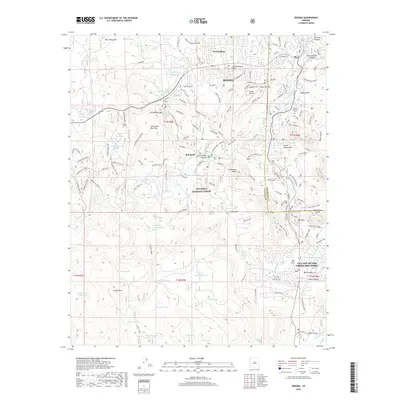 2018 Sedona2018 Print · USGSSedona and the Coconino National Forest are captured here in the late twenty-first century, showing the town's growth alongside iconic geological landmarks. Researchers and hikers can trace the intricate trail systems around Cathedral Rock and Bell Rock or locate regional sites like the Sedona Airport and Sedona Memorial Park.
Showing maps 1-25 of 30
Top cities near Sedona
- Cottonwood historical maps
- Camp Verde historical maps
- Munds Park historical maps
- Mountainaire historical maps
Top neighborhoods of Sedona
Frequently asked questions
- What are the different types of historical maps available for Sedona?
- What is the oldest map of Sedona?
- Where can I purchase historical maps of Sedona for my home or office?
- Where can I download high-res historical maps of Sedona?
- Are there historical topographic maps available for Sedona?
- Is there historical aerial imagery available for Sedona?
- Where are historical maps of Sedona sourced from?