Old Maps of Boone County, Arkansas for Academic Research
Study the evolution of Boone County with 116 high-resolution historic maps. Whether you're teaching, researching, or modeling changes in land use, these maps provide essential visual documentation of urban, environmental, and geographic change.
- Analyze long-term change: Track patterns in development, transportation, and natural features.
- Ideal for environmental or urban studies: Support academic projects with primary historical map data.
- Use in the classroom or lab: Educators and researchers rely on these maps to bring historical context to life.
These maps are a powerful tool for teaching, research, and visualizing how Boone County has changed over the decades.
Boone County, AR maps
(116)- 1893 Map of Yellville
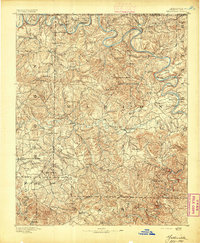 1893 Yellville1893 Print · USGSNorthern Arkansas in the late nineteenth century was a world defined by its rivers and local crossings. You can trace the ancestral ferry routes along the White River and locate settlements with unique local nicknames like Peel (Needmore) and St Joe (Monkey Run).2 unique versions available
 - 1903 Map of Yellville
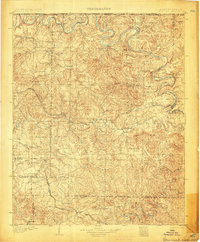 1903 Yellville1903 Print · USGSNorth Central Arkansas in the late nineteenth century is a land of winding river valleys and ridge-top settlements. Genealogists can trace early homesteads and river crossings like Denton Ferry, Yellville, and the remote outposts of Dodd City or St. Joe.
 - 1904 Map of Harrison, 1954 Print
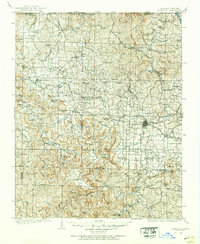 1904 Harrison1954 Print · USGSThe Ozark Mountains of Northwest Arkansas are documented here at the turn of the century, showing a landscape of pioneer settlements and new rail lines. Genealogists can trace early homesteads and commerce at Blantons Mill, the village of Carrollton, and the regional hub of Harrison.
 - 1905 Map of Harrison
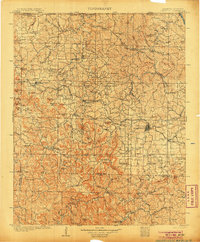 1905 Harrison1905 Print · USGSThe Ozark Plateau at the start of the century was a land of winding mountain railroads and isolated creek-side settlements. Genealogists can trace family footprints across the highlands from Lead Hill to Green Forest, finding early industrial landmarks like Blantons Mill and the Rock Quarry.3 unique versions available
 - 1905 Map of Yellville
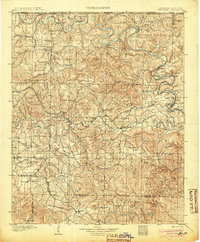 1905 Yellville1905 Print · USGSThe Ozark Mountains and the winding White River define this area at the start of the twentieth century. Genealogists can trace family names through dozens of river crossings and small settlements like Denton Ferry, Rush, and Elixir Springs.3 unique versions available
 - 1929 Map of Yellville, 1954 Print
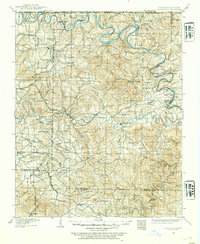 1929 Yellville1954 Print · USGSThe Ozark river valleys and early rail corridors of north-central Arkansas are shown here during the late 1920s. Researchers can trace historic river crossings like Whites Ferry and Moony Ford or locate regional hubs such as Yellville and Cotter.
 - 1945 Map of Harrison
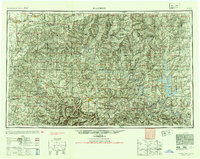 1945 Harrison1945 Print · USGSThe Ozark and Boston Mountains straddle the Missouri-Arkansas border during the mid-forties, showing a landscape of forest ridges and river valleys. Genealogists and historians can trace rail-connected towns like Monett and West Plains or early lake developments at Bull Shoals Res and Norfork Lake.
 - 1949 Map of Harrison
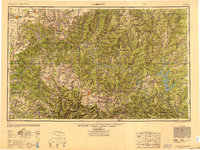 1949 Harrison1949 Print · USGSThe Ozark highlands of northern Arkansas and southern Missouri are shown just after the war, when the White River still followed its original course. Genealogists and historians can trace rail lines like the Missouri & Arkansas RR and locate rural hubs like Harrison, Eureka Springs, and Mountain Home.
 - 1954 Map of Harrison
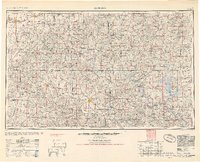 1954 Harrison1954 Print · USGSThe Ozarks and Boston Mountains meet during a period of massive river engineering in the mid-fifties. Researchers can trace the early shorelines of Bull Shoals Lake and Table Rock Reservoir or locate inland towns like Berryville and Harrison.
 - 1958 Map of Harrison, 1973 Print
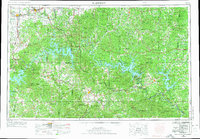 1958 Harrison1973 Print · USGSThe Ozark and Boston Mountains appear in this mid-century survey as the great White River impoundments were reshaping the region. Researchers can trace the rail lines of the St Louis-San Francisco Ry and locate early settlements like Berryville and Gainesville.
 - 1964 Map of Harrison
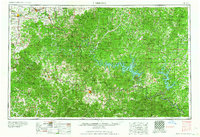 1964 Harrison1964 Print · USGSThe Ozark and Boston Mountains of Arkansas and Missouri are captured here in the mid-sixties, showing the rugged highlands before extensive modern development. Genealogists and historians can trace family-named peaks like Gaither Mountain and follow the St Louis-San Francisco RR through Monett and Purdy.
 - 1966 Map of Omaha NE, 1968 Print
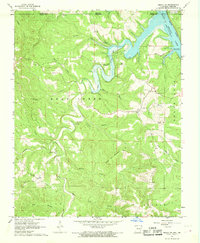 1966 Omaha NE1968 Print · USGSThe Missouri-Arkansas border region in the mid-1960s is defined by the rising waters of Bull Shoals Lake and the rugged hollows of Boone County. Genealogists and local historians can trace rural family sites like Cottonwood Cem, the settlement of Self, and old congregational hubs at Chaney Ch.2 unique versions available
 - 1967 Map of Gaither, 1968 Print
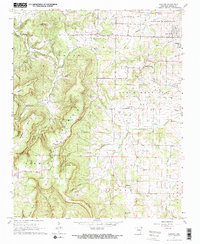 1967 Gaither1968 Print · USGSBoone County's rugged ridges and rural hollows are captured here in the late sixties, showing the area as the local landscape transitioned. Researchers can locate numerous family burial grounds and community landmarks like Gaither Cem, Plumly Sch, and White Ch.2 unique versions available
 - 1967 Map of Bergman, 1968 Print
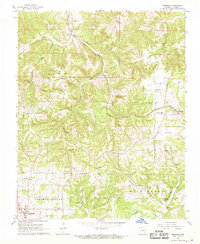 1967 Bergman1968 Print · USGSBoone County's hill country is captured here in the late sixties as the northern edge of Harrison began to expand toward the Ozark foothills. Researchers can trace the Missouri Pacific railroad through Bergman or locate rural landmarks like York Cem and Hopewell Ch.2 unique versions available
 - 1967 Map of Jasper, 1968 Print
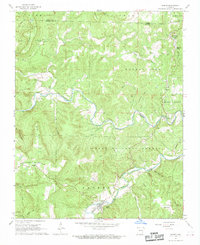 1967 Jasper1968 Print · USGSThe Newton County backcountry comes into focus during the late sixties, centered on the riverside town of Jasper. Genealogists and historians can trace family roots at Tom Thumb Cem or explore the landscape of Dogpatch and the Buffalo National River.2 unique versions available
 - 1967 Map of Ponca, 1968 Print
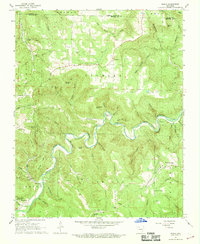 1967 Ponca1968 Print · USGSThe Buffalo River corridor in the late sixties shows a landscape of deep hollows and high Ozark ridges. Researchers can trace rural genealogy through landmarks like Mountain Springs Cem and Plumlee Ch or locate the site of the Compton Lookout Tower.3 unique versions available
 - 1967 Map of Everton, 1968 Print
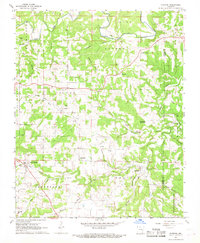 1967 Everton1968 Print · USGSEverton and the surrounding Boone County highlands are captured here in the late sixties as traditional agriculture and rural settlements shaped the landscape. Genealogists and historians can trace numerous family burial grounds and community hubs including Rally Hill, Olvey Ch, and the Old Railroad Grade.2 unique versions available
 - 1967 Map of Hasty, 1968 Print
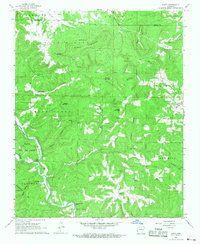 1967 Hasty1968 Print · USGSThe Buffalo River valley in Newton County was still a quiet network of small settlements and river bluffs in the late sixties. Genealogists can trace family footprints at Yardelle, Wells Cem, and Collins Cem, or locate landmarks like Big Bear Cave.2 unique versions available
 - 1967 Map of Western Grove, 1968 Print
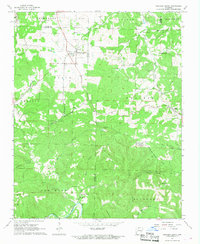 1967 Western Grove1968 Print · USGSThe northern Arkansas Ozarks appear here in the late sixties, where the boundaries of four counties meet along the winding Buffalo River. Researchers can trace the lineage of rural communities through sites like Western Grove, the Old Railroad Grade, and several family burial grounds including Trammell Cem.2 unique versions available
 - 1967 Map of Harrison, 1968 Print
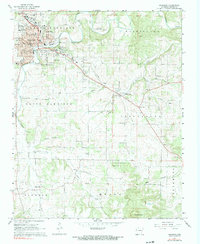 1967 Harrison1968 Print · USGSHarrison and the surrounding Boone County highlands are captured here in the mid-1960s as the town expanded into new residential heights. Researchers can trace ancestral locations through numerous family cemeteries like Milum Cem and rural landmarks such as Krooked Kreek Ch and the Old Railroad Grade.2 unique versions available
 - 1967 Map of Omaha, 1968 Print
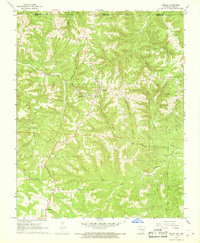 1967 Omaha1968 Print · USGSOmaha and the Boone County hills are shown here during the late sixties as the railroad era continued to shape this Ozark borderland. Genealogists and local historians can locate the Burlington Lookout Tower, the cemetery at New Hope, and the path of the Missouri Pacific railroad.
 - 1967 Map of Batavia, 1969 Print
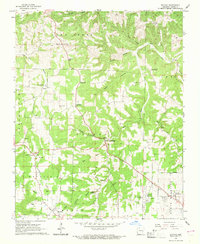 1967 Batavia1969 Print · USGSNear the close of the 1960s, this portion of Boone County preserves a rural landscape defined by family settlements and winding creeks. Genealogists and historians can trace the legacy of old roadbeds like the Old Railroad Grade or locate family sites at Gass Cem and Liberty Ch.
 - 1968 Map of Osage NE, 1969 Print
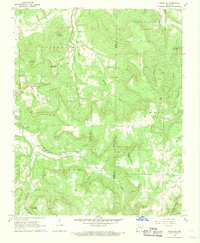 1968 Osage NE1969 Print · USGSIn the late sixties, this Carroll County uplands region around Delmar maintained its traditional character amidst a rugged landscape of hollows and bluffs. Researchers can find generational landmarks like Possum Trot Ch, Hilltop Cem, and the high peak of Needle Eye Mountain.2 unique versions available
 - 1972 Map of Alpena, 1973 Print
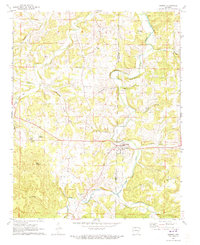 1972 Alpena1973 Print · USGSCrossing the line between Carroll and Boone counties in the early seventies, this map captures the rural network of the Alpena area. Genealogists can locate family burial grounds like McCracken Cem and Riddle Cem, or trace the path of the OLD RAILROAD GRADE.
 - 1972 Map of Denver, 1973 Print
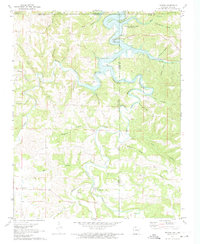 1972 Denver1973 Print · USGSThe Missouri-Arkansas border region is captured here in the early seventies as the reservoir waters of Table Rock Lake submerged the lower creek valleys. Genealogists and local historians can trace family roots through Denver Cem, the settlement of Farewell, and the steep terrain of Backbone Bluff.
Showing maps 1-25 of 116
Top cities of Boone County
- Harrison historical maps
- Diamond City historical maps
- Bellefonte historical maps
- Bergman historical maps
- Lead Hill historical maps
- Everton historical maps
See more
Frequently asked questions
- What are the different types of historical maps available for Boone County?
- What is the oldest map of Boone County?
- Where can I purchase historical maps of Boone County for my home or office?
- Where can I download high-res historical maps of Boone County?
- Are there historical topographic maps available for Boone County?
- Is there historical aerial imagery available for Boone County?
- Where are historical maps of Boone County sourced from?