Old Maps of Archuleta County, Colorado for Academic Research
Study the evolution of Archuleta County with 258 high-resolution historic maps. Whether you're teaching, researching, or modeling changes in land use, these maps provide essential visual documentation of urban, environmental, and geographic change.
- Analyze long-term change: Track patterns in development, transportation, and natural features.
- Ideal for environmental or urban studies: Support academic projects with primary historical map data.
- Use in the classroom or lab: Educators and researchers rely on these maps to bring historical context to life.
These maps are a powerful tool for teaching, research, and visualizing how Archuleta County has changed over the decades.
Archuleta County, CO maps
(258)- 1889 Map of Largo
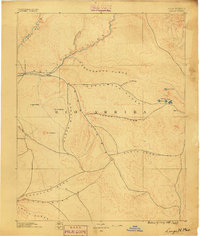 1889 Largo1889 Print · USGSNorthwestern New Mexico in the late nineteenth century shows a vast network of desert canyons and river valleys before modern development. Genealogists and researchers can trace early settlements like Bloomfield and Largo or locate landmarks such as Angels Peak and the remote Stinking Lakes Sinks.
 - 1895 Map of Largo, 1897 Print
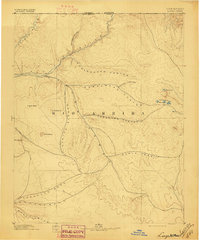 1895 Largo1897 Print · USGSNorthwestern New Mexico appears as a rugged frontier of canyons and high peaks in the years before statehood. Researchers can trace early settlements at Bloomfield and Largo or locate iconic landmarks such as El Huerfano and the headwaters of Canon Largo.3 unique versions available
 - 1913 Map of Summitville, 1962 Print
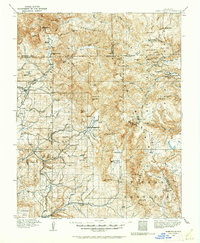 1913 Summitville1962 Print · USGSThe high San Juan Mountains at the turn of the century are captured here, from the gold-mining district at Summitville to the ranchlands of the Navajo River valley. Genealogists and historians can trace early school sites like Blanco School and working mines including the Asiatic Mine and Forest King Mine.
 - 1915 Map of Summitville
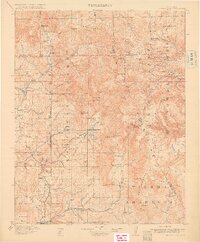 1915 Summitville1915 Print · USGSSouthern Colorado mining and timber operations are captured here during the early twentieth century. Researchers can trace remote mining claims like the Asiatic Mine, mountain schools such as Blanco School, and the path of the Logging RR.4 unique versions available
 - 1918 Map of Tusas
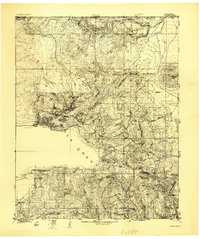 1918 Tusas1918 Print · USGSThe high country of Northern New Mexico and the Colorado border is captured here during the First World War. Researchers can trace the Denver and Rio Grande RR through remote stations like Toltec or locate early settlements in the Tierra Amarilla Grant.
 - 1922 Map of Conejos
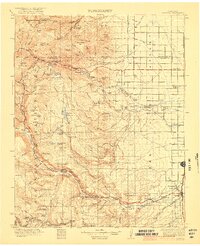 1922 Conejos1922 Print · USGSThe high San Juan peaks meet the irrigated Luis Valley in the early 1920s, showing a landscape defined by mountain ranching and rail. Trace the Denver and Rio Grande Railroad through the mountains or locate old local landmarks like Bowen Church, Antonito, and the Hot Creek School.4 unique versions available
 - 1924 Map of Pagosa Springs, 1958 Print
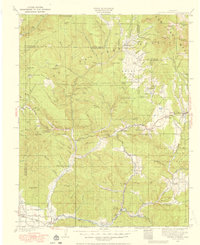 1924 Pagosa Springs1958 Print · USGSArchuleta County comes into focus in the 1920s as a vital mountain corridor defined by the San Juan and Piedra rivers. Genealogists and historians can trace the Denver and Rio Grande Western rail line and discover remote schoolhouses like Stollsteimer School and O'Neal Park School.2 unique versions available
 - 1927 Map of Pagosa Springs
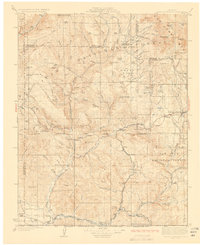 1927 Pagosa Springs1927 Print · USGSThe high country of the San Juan Mountains comes into focus in the 1920s as ranching and rail reach into the river valleys. Genealogists and historians can trace the Denver and Rio Grande Western line through Pagosa Junction and locate old rural hubs like Yellowjacket School.3 unique versions available
 - 1945 Map of Durango
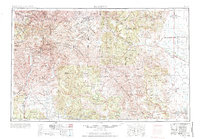 1945 Durango1945 Print · USGSSouthwest Colorado and Northern New Mexico at mid-century are defined by the high peaks of the San Juan Range and the tribal lands of the Southern Ute. Genealogists and historians can trace the paths of the D & R G W RR and locate local landmarks like Animas City and the Blanco Basin School.3 unique versions available
 - 1953 Map of Durango, 1963 Print
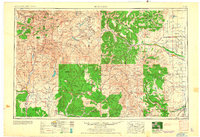 1953 Durango1963 Print · USGSThe high peaks of the San Juan Mountains and the Colorado mining country are shown here as they appeared in the early fifties. Genealogists and local historians can trace the rail lines of the D & R G W RR and locate historic mining camps like Silverton, Ouray, and Old Ophir.
 - 1954 Map of Durango
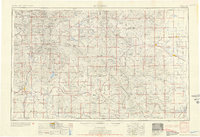 1954 Durango1954 Print · USGSSouthern Colorado in the mid-1950s was defined by high-altitude mining towns and the expansion of water storage in the San Luis Valley. Trace the narrow-gauge Denver & Rio Grande Western RR as it connects Durango to mountain outposts like Silverton and Creede.2 unique versions available
 - 1954 Map of Allison, 1955 Print
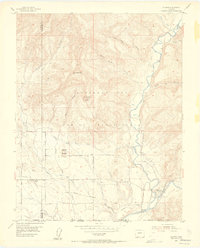 1954 Allison1955 Print · USGSSettlements along the New Mexico border were defined by the railroad and river in the mid-1950s. You can trace the historic Denver and Rio Grande Western line through Allison and Arboles or locate the Cem and irrigation works like the Pine River Canal.7 unique versions available
 - 1954 Map of Carracas, 1955 Print
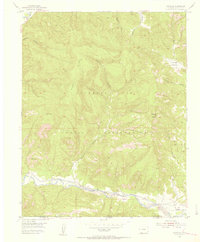 1954 Carracas1955 Print · USGSThe Colorado-New Mexico borderlands in the mid-1950s show a rugged river landscape dominated by tribal land and the Denver and Rio Grande Western railroad. Trace the tracks along the San Juan River through the Southern Ute Indian Reservation to the settlement at Carracas.7 unique versions available
 - 1954 Map of Rosa, 1956 Print
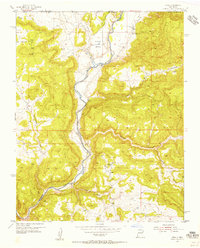 1954 Rosa1956 Print · USGSThe San Juan River valley of the mid-1950s shows the community of Rosa and its outlying ranching infrastructure just before major landscape shifts. Researchers can locate the Santa Rosa Ch, the local Cem, and early energy developments like the Pipe Line.5 unique versions available
 - 1954 Map of Aztec, 1975 Print
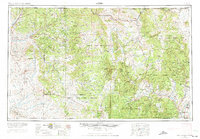 1954 Aztec1975 Print · USGSNorthern New Mexico and southern Colorado come alive in the mid-1950s, showing the high-country settlements and tribal lands of the San Juan Basin. Genealogists and historians can trace the path of the Denver & Rio Grande Western RR and locate communities like Abiquiu, Park View, and Lumberton.4 unique versions available
 - 1955 Map of Chama, 1957 Print
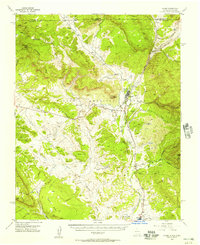 1955 Chama1957 Print · USGSUpper Rio Arriba County comes to life in the mid-1950s as a high-altitude rail and ranching corridor. You can trace the narrow gauge Denver and Rio Grande Western tracks past the Stockyard in Chama and through the vast Tierra Amarilla Grant.4 unique versions available
 - 1955 Map of Lumberton, 1957 Print
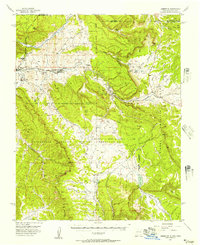 1955 Lumberton1957 Print · USGSLumberton and the surrounding Rio Arriba high country were centers of mining and rail activity in the mid-fifties. Genealogists and historians can trace the Denver and Rio Grande Western line to old stops at Monero and Amargo.4 unique versions available
 - 1955 Map of Brazos Peak, 1957 Print
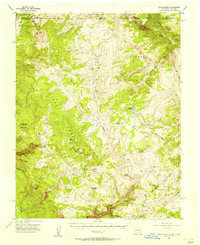 1955 Brazos Peak1957 Print · USGSThe high New Mexico and Colorado borderlands are captured here during the mid-fifties, showing a remote landscape of rail and ranching. Genealogists and historians can trace the narrow-gauge Denver and Rio Grande Western railroad past Toltec Gorge and locate family-named sites like Nelagoney Ranch and Rivera Cow Camp.4 unique versions available
 - 1957 Map of Chromo, 1959 Print
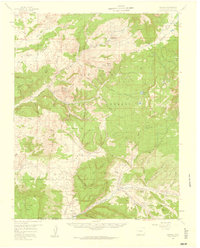 1957 Chromo1959 Print · USGSThe Colorado-New Mexico borderlands come to life in the late fifties, showing the high-country landscape of the San Juan National Forest. Trace the paths of early travelers via the Pack Trail networks and identify historical landmarks like Chromo, Edith, and Squaretop Guard Station.5 unique versions available
 - 1957 Map of Wolf Creek Pass, 1959 Print
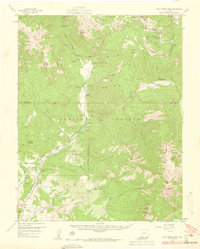 1957 Wolf Creek Pass1959 Print · USGSThe high San Juan peaks and ranching valleys are captured here in the late fifties, just as mountain access and national forest management were expanding. Researchers can trace historic family-named sites like Hott Ranch or locate the Red Ryder Rodeo Grounds and Treasure Guard Station.6 unique versions available
 - 1957 Map of Pagosa Junction, 1959 Print
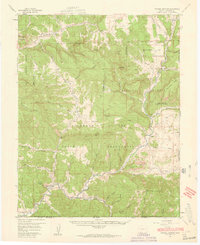 1957 Pagosa Junction1959 Print · USGSThe Colorado and New Mexico borderlands come to life in the late fifties, where the D & R G W RR tracks the San Juan River. Researchers can trace the layout of small settlements like Pagosa Junction and Trujillo or locate family landmarks near Villareal.4 unique versions available
 - 1957 Map of Chama Peak, 1959 Print
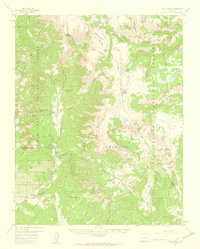 1957 Chama Peak1959 Print · USGSArchuleta and Conejos counties are shown here in the late fifties, where the Continental Divide splits the high wilderness. Genealogists and researchers can trace the historic Tierra Amarilla Grant Boundary and remote sites like Gramps Oil Field and Banded Peak Ranch.4 unique versions available
 - 1958 Map of Aztec
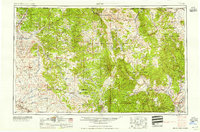 1958 Aztec1958 Print · USGSNorthern New Mexico and the southern Colorado border are captured here during the mid-fifties, showing the rugged intersection of national forests and tribal lands. Researchers can trace the Denver and Rio Grande Western rail line and locate remote outposts like Blanco Trading Post or Sargent Ranch.
 - 1961 Map of Durango
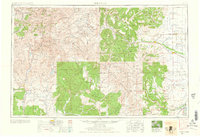 1961 Durango1961 Print · USGSThe high San Juan country in the early sixties is shown here as a network of historic mining towns and early reservoir projects. Genealogists and researchers can trace the Denver & Rio Grande Western RR as it connects Durango, Silverton, and Arboles.
 - 1962 Map of Aztec
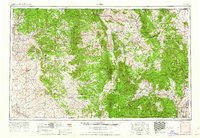 1962 Aztec1962 Print · USGSNorthwestern New Mexico in the early sixties showcases a landscape defined by the arrival of the Navajo Reservoir and the high-altitude timber of the Carson National Forest. Trace the path of the Denver & Rio Grande Western RR or locate historic settlements like Tierra Amarilla and Gobernador.
Showing maps 1-25 of 258
Top cities of Archuleta County
Frequently asked questions
- What are the different types of historical maps available for Archuleta County?
- What is the oldest map of Archuleta County?
- Where can I purchase historical maps of Archuleta County for my home or office?
- Where can I download high-res historical maps of Archuleta County?
- Are there historical topographic maps available for Archuleta County?
- Is there historical aerial imagery available for Archuleta County?
- Where are historical maps of Archuleta County sourced from?