Old Maps of Custer County, Colorado for Genealogy
Trace your family roots with 192 historic maps of Custer County. These high-res maps reveal old neighborhoods, homesites, landmarks, and streets — helping you uncover where your ancestors lived and how the area evolved over time.
- Explore historic neighborhoods: Identify where your relatives may have lived in the 1800s or 1900s.
- Compare maps over time: Trace the changes in streets, buildings, and landmarks for multi-generational research.
- Perfect for genealogy & ancestry research: Used by family historians and researchers to map out lineage and migration.
These maps are an incredible resource for exploring your personal connection to Custer County's past.
Custer County, CO maps
(192)- 1889 Map of Canon City
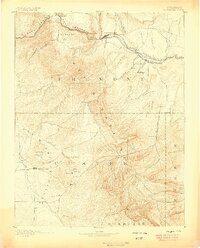 1889 Canon City1889 Print · USGSFremont and Custer counties appear here during the peak of the Colorado silver boom, when mining and rail expansion transformed the valley. Genealogists can trace family roots in early settlements like Silver Cliff, Rosita, and the coal camps of Rockvale.2 unique versions available
 - 1889 Map of Huerfano Park, 1961 Print
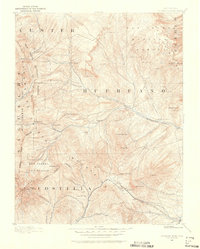 1889 Huerfano Park1961 Print · USGSHuerfano County and the high peaks of the Sangre de Cristos are captured here in the late nineteenth century. Trace the early tracks of the Denver and Rio Grande Railroad and locate vanished outposts like Sharpsdale and Malachite.
 - 1892 Map of Huerfano Park
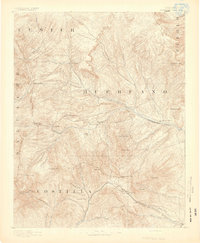 1892 Huerfano Park1892 Print · USGSSouthern Colorado mountain life is captured here in the late nineteenth century, showing the early settlements and rail lines of the Huerfano region. Researchers can trace the path of the Denver and Rio Grande Railroad and locate vanished stops at Malachite, Sharpsdale, and Placer.5 unique versions available
 - 1892 Map of Canon City
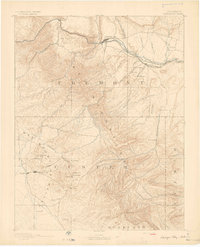 1892 Canon City1892 Print · USGSThe mining camps of Custer and Fremont counties were in their prime during the 1890s silver and coal boom. Genealogists and historians can trace the early rail networks and locate hard-rock operations like the Bassick Mine or settlements such as Silver Cliff and Querida.8 unique versions available
 - 1950 Map of Valley View Hot Springs, 1970 Print
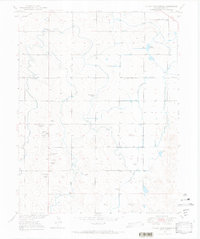 1950 Valley View Hot Springs1970 Print · USGSSaguache, Colorado is shown here during the post-war era when rural schools and coal mining operations still dotted the plains. Researchers can locate named sites like Valley View School or trace family mining history at the Sunset Mine and Diamond Mines.
 - 1954 Map of Mount Tyndall, 1956 Print
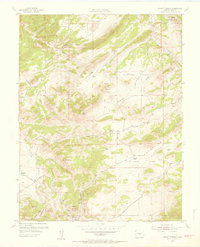 1954 Mount Tyndall1956 Print · USGSCuster County in the early 1950s shows a transition between its mining heritage and high-altitude ranching life. Genealogists and historians can trace family land at Armstrong Ranch or Kness Ranch, and locate the Bassick Mine near the settlements of Rosita and Querida.6 unique versions available
 - 1954 Map of Rosita, 1956 Print
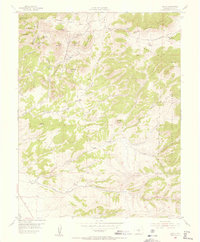 1954 Rosita1956 Print · USGSCuster County ranching and mining communities are documented here in the mid-1950s before significant modern development. Genealogists can trace local roots at Rosita Cem or locate the historic school sites at Antelope Sch and Junkins Park Sch.4 unique versions available
 - 1954 Map of Trinidad, 1963 Print
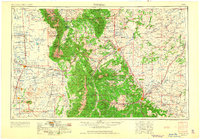 1954 Trinidad1963 Print · USGSSouthern Colorado is captured here during the mid-fifties, showing the vital rail-and-river connections between the San Luis Valley and the eastern foothills. Researchers can trace the Denver and Rio Grande Western line and locate rural landmarks like Malachite School and San Luis.2 unique versions available
 - 1954 Map of Pueblo, 1966 Print
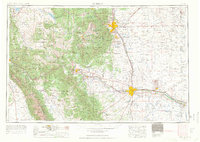 1954 Pueblo1966 Print · USGSMid-century Colorado comes alive in this survey of the Front Range and the high plains as the region expanded after the war. Genealogists and historians can trace family roots through rural landmarks like Hanover Church, Pioneer Cemetery, and the Grandview School.3 unique versions available
 - 1955 Map of Westcliffe, 1957 Print
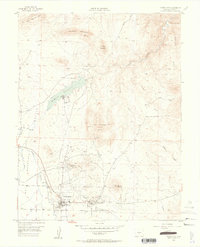 1955 Westcliffe1957 Print · USGSIn the mid-fifties, the silver-mining legacy of Custer County was still visible across the high valley floor near Westcliffe. Genealogists and historians can trace the Old Railroad Grade and locate mining operations like the Bull Domingo Mine or the Defender Mine (Active).4 unique versions available
 - 1955 Map of Trinidad, 1976 Print
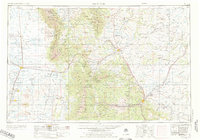 1955 Trinidad1976 Print · USGSSouthern Colorado during the mid-fifties is defined by the high-altitude agriculture of the San Luis Valley and the peaks of the Culebra Range. Genealogists can trace early settlements and rural schoolhouses like Medina Plaza, San Luis, and the Trujillo Creek School.
 - 1957 Map of Pueblo
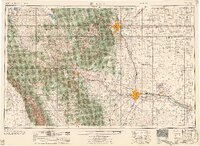 1957 Pueblo1957 Print · USGSMid-century Colorado comes alive as the Front Range urban centers expand alongside massive Cold War military installations. Genealogists and historians can trace the foundations of Stone City, rural sites like Hanover School, and the industrial Canon Imperial Mine.
 - 1957 Map of Aldrich Gulch, 1958 Print
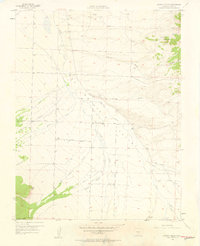 1957 Aldrich Gulch1958 Print · USGSCuster County ranching and mining lands come into focus during the late fifties as the high mountain valleys were being mapped in detail. Genealogists and historians can trace the paths of Colfax Lane to the Silver Cliff Cemetery or find early industry at the Strip Mine.5 unique versions available
 - 1958 Map of Trinidad
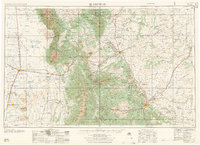 1958 Trinidad1958 Print · USGSSouthern Colorado in the late fifties was a landscape of high-altitude agriculture and coal production, centered on the San Luis Valley. Local historians can trace old community centers like the Malachite School or follow the mining and rail activity near Walsenburg and the Allen Mine.
 - 1958 Map of Pueblo
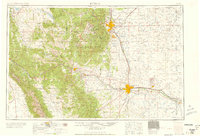 1958 Pueblo1958 Print · USGSColorado's Front Range and Arkansas River Valley come alive in the late fifties, showing the transition from historic mining districts to major military and rail hubs. Genealogists and historians can trace family roots in ranching communities and find landmarks like Cripple Creek, Manitou, and the Hanover School.
 - 1958 Map of Beckwith Mountain, 1960 Print
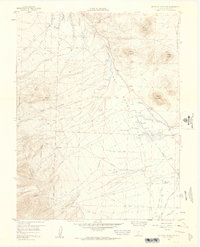 1958 Beckwith Mountain1960 Print · USGSCuster County ranching and irrigation are in clear focus during the late fifties as the valley floor transitions into the foothills. Genealogists can locate family names at Ula Cem or The Pines Cem, and trace the path of the Old Railroad Grade.7 unique versions available
 - 1959 Map of Trinidad
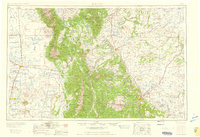 1959 Trinidad1959 Print · USGSThe San Luis Valley and the high Sangre de Cristo peaks are documented here in the late fifties, during a period of steady ranching and rail activity. Genealogy researchers can locate family-named landmarks and rural institutions like Trujillo Creek School and the historic San Luis settlement.
 - 1959 Map of Electric Peak, 1961 Print
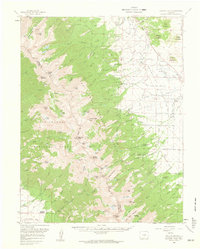 1959 Electric Peak1961 Print · USGSCuster and Saguache counties meet along the high peaks of the Sangre de Cristos during the late fifties. Genealogists can trace family footprints at the King Homestead and Hutchinson Homestead or locate the historic Ula Cem.6 unique versions available
 - 1959 Map of Howard, 1961 Print
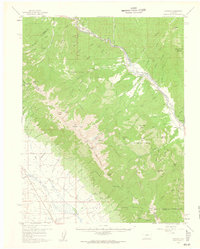 1959 Howard1961 Print · USGSThe Arkansas River valley in the late fifties was a vital corridor for the Denver and Rio Grande Western Railroad and local mining operations. Genealogists and historians can locate the Stout Creek Sch, Union Ch, and several family cemeteries including Villa Grove Cem.6 unique versions available
 - 1959 Map of Rockvale, 1961 Print
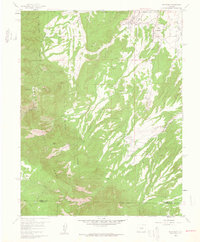 1959 Rockvale1961 Print · USGSThe northern Fremont County mining district is seen here in the late fifties, showcasing the intricate network of coal workings and camps. Genealogists and industrial historians can trace specific operations like the Black Diamond Mine and Radiant Camp (Site).3 unique versions available
 - 1959 Map of Horn Peak, 1961 Print
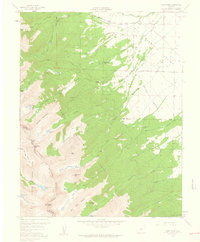 1959 Horn Peak1961 Print · USGSThe Sangre de Cristo Range meets the Wet Mountain Valley in the late fifties, showcasing a landscape of high alpine peaks and emerging settlements. Hikers and historians can trace the Rainbow Trail and locate sites like Horn Creek Ranch and Abbots Lodge.4 unique versions available
 - 1959 Map of Royal Gorge, 1961 Print
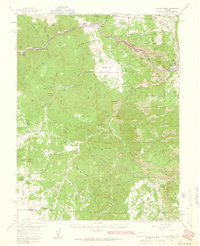 1959 Royal Gorge1961 Print · USGSFremont County's canyon country comes into focus in the late fifties, showcasing the intricate rail lines and early tourist infrastructure around the Royal Gorge. You can trace the Denver & Rio Grande Western RR and locate old homesteads like Griffin Ranch and the former Sunset City.3 unique versions available
 - 1959 Map of Florence SE, 1961 Print
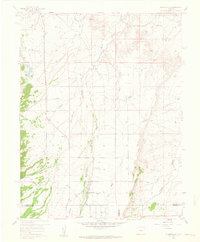 1959 Florence SE1961 Print · USGSSouthern Fremont County in the late fifties shows a rural landscape at the crossroads of three counties. Genealogists and local historians can trace family locations near Union Highland Cem, New Hope Ch, and the Mountain View Community Hall.6 unique versions available
 - 1959 Map of Cotopaxi, 1961 Print
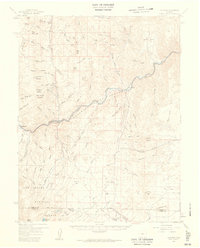 1959 Cotopaxi1961 Print · USGSThe Arkansas River valley in the late fifties was a vital corridor for the Denver and Rio Grande Western railroad and the community of Cotopaxi. Researchers can locate old community landmarks like the Hillside Sch, trace the Rainbow Trail, or find the high-altitude Price Park and Democratic Mtn.5 unique versions available
 - 1960 Map of Beck Mountain, 1963 Print
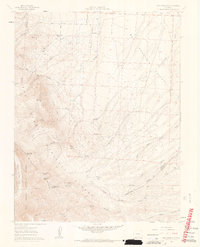 1960 Beck Mountain1963 Print · USGSHigh-country ranching and remote mountain passes define this 1960s survey of the Sangre de Cristo range. Trace the location of the Beck School, family landmarks like Henrich Ranch, and high-altitude routes through Music Pass.6 unique versions available
Showing maps 1-25 of 192
Top cities of Custer County
Frequently asked questions
- What are the different types of historical maps available for Custer County?
- What is the oldest map of Custer County?
- Where can I purchase historical maps of Custer County for my home or office?
- Where can I download high-res historical maps of Custer County?
- Are there historical topographic maps available for Custer County?
- Is there historical aerial imagery available for Custer County?
- Where are historical maps of Custer County sourced from?