1950s Maps of El Paso County, Colorado
Explore 33 historic maps of El Paso County from the 1950s. These maps offer a rare glimpse into what life looked like during the 1950s — showing old roads, neighborhoods, homes, and landmarks that have changed or disappeared over time.
Whether you're researching your family's past, planning a metal detecting trip, or studying how El Paso County's landscape evolved across the 1950s, these high-resolution maps are a powerful tool for exploring the history of this region.
- Focus on a specific era: All maps on this page are from the 1950s, giving you a focused view of this time period.
- See what’s changed: Compare century-old streets, trails, and buildings to today's modern landscape using overlays and satellite layers.
- Research with precision: Use these maps for genealogy, historical research, land use analysis, or educational projects.
- View, download, or print: Maps are fully viewable online in high resolution, and can be downloaded or printed for your own records.
Start exploring El Paso County's history through authentic maps from the 1950s. This is your window into the past.
El Paso County, CO maps
(33)- 1950 Map of Manitou
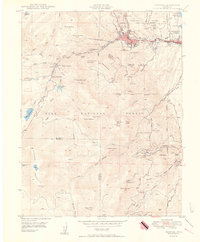 1950 Manitou1950 Print · USGSThe foothills of the Rampart Range come alive in this mid-century survey of the mountain rail systems and canyon retreats west of Colorado Springs. Researchers can trace the steep Inclined Railway, locate the Helen Hunt Jackson Cemetery, and find vanished stops like Minnehaha along the cog railway.2 unique versions available
 - 1950 Map of Cascade
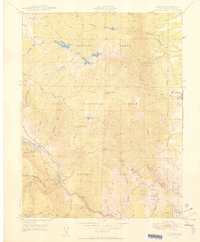 1950 Cascade1950 Print · USGSThe Rampart Range foothills during the mid-twentieth century show a landscape of mountain health retreats and early tourism. Genealogists can trace families near Chipita Park, Glen Eyrie, and the Holy Rosary Chapel.2 unique versions available
 - 1950 Map of Elsmere
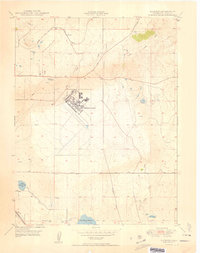 1950 Elsmere1950 Print · USGSEl Paso County at the dawn of the 1950s shows an area transitioning through military aviation and ranching. Trace the early layout of Peterson Field or find local landmarks like Pikes Peak Speedway and the settlement of Elsmere.2 unique versions available
 - 1950 Map of Fountain
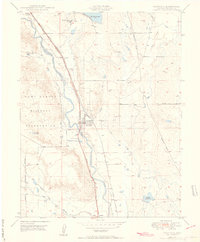 1950 Fountain1950 Print · USGSEl Paso County at the dawn of the fifties shows a landscape of strategic rail lines and expanding irrigation. Genealogy researchers can trace family landmarks like Fairview Cemetery and the original sites of Widefield School and Fountain Valley School.2 unique versions available
 - 1950 Map of Fountain NE
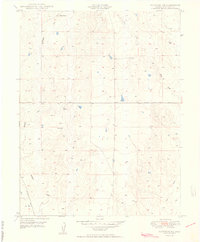 1950 Fountain NE1950 Print · USGSEl Paso County ranch lands are captured here in the late 1940s, showing a landscape shaped by water and wide-open range. Researchers can trace early family holdings like Slate Ranch and Kane Ranch or locate historical water infrastructure like the Bailey Windmill.
 - 1950 Map of Falcon NW
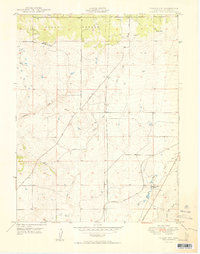 1950 Falcon NW1950 Print · USGSEl Paso County ranching culture is frozen in time here during the post-war era, showing a landscape defined by large family estates and high-plains drainages. Genealogists can locate named landmarks like Wolf Ranch and Banning Lewis Ranch or trace the early course of the Chicago Rock Island and Pacific railroad.2 unique versions available
 - 1950 Map of Fountain SE
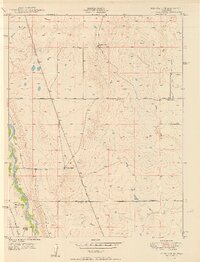 1950 Fountain SE1950 Print · USGSSoutheast of Fountain during the mid-century, this area was a landscape of family-owned ranching operations and vital transit corridors. Researchers can trace land boundaries near Williams Ranch, follow the path of the Denver and Rio Grande Western, and locate legacy sites like Totten Ranch.2 unique versions available
 - 1950 Map of Colorado Springs
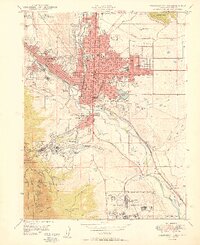 1950 Colorado Springs1950 Print · USGSColorado Springs and its surrounding foothills are captured just after the war, showing a city defined by both its mountain tourism and military growth. Genealogists and historians can locate Broadmoor, the Union Printers Home, and the sprawling Camp Carson Military Reservation.2 unique versions available
 - 1951 Map of Falcon
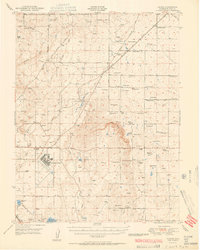 1951 Falcon1951 Print · USGSEastern El Paso County is shown as a thriving ranching and aviation hub in the early fifties. Genealogists and historians can trace numerous family-named landmarks like Banning Lewis Ranch and Wolf Ranch or locate early airfield layouts at Peterson Field.2 unique versions available
 - 1951 Map of Fountain
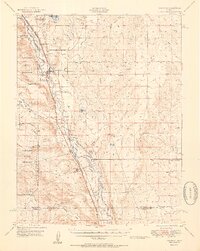 1951 Fountain1951 Print · USGSThe Fountain valley during the early fifties shows a landscape shaped by military expansion and intensive irrigation. Researchers can trace the dual rail lines through Wigwam and Crews or locate family landmarks like the 7 L Bar Ranch and Wilson Cemetery.2 unique versions available
 - 1951 Map of Colorado Springs
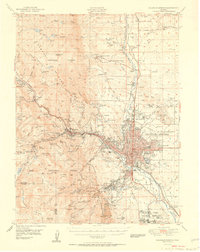 1951 Colorado Springs1951 Print · USGSColorado Springs and the Front Range foothills are captured here in the early fifties during a period of rapid urban and military growth. Genealogists and historians can trace the foundations of local institutions like the Union Printers Home, Evergreen Cem, and the Woodmen School.2 unique versions available
 - 1951 Map of Mount Big Chief
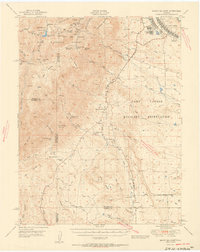 1951 Mount Big Chief1951 Print · USGSEl Paso and Fremont counties were undergoing a significant military expansion in the early fifties as CAMP CARSON grew into the mountains. Researchers can trace family ranching history at Turkey Creek Ranch or locate vanished rural education sites like Lytle School.2 unique versions available
 - 1951 Map of Pikes Peak, 1954 Print
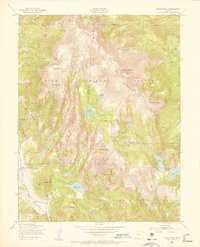 1951 Pikes Peak1954 Print · USGSThe summit of Pikes Peak and its surrounding high-country watersheds are captured here just after the mid-century. Researchers can trace the path of the Manitou and Pikes Peak cog rail, the historic Gillett settlement, and the Seven Lakes Ruins.9 unique versions available
 - 1953 Map of Denver, 1964 Print
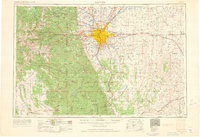 1953 Denver1964 Print · USGSDenver and the Colorado Front Range are captured here during a decade of post-war growth and military expansion. Researchers can trace the sprawling rail lines of the Union Pacific, locate the State Capitol, and explore historic mountain mining hubs like Central City.6 unique versions available
 - 1954 Map of Cherry Valley School, 1955 Print
 1954 Cherry Valley School1955 Print · USGSMid-century ranching life at the Douglas and Elbert county line is captured here just as rural school districts were consolidating. Genealogists and historians can trace old homesteads near Cherry Valley School or locate the sites of Cherry Sch (Aband) and Bucks Mountain.6 unique versions available
 - 1954 Map of Monument, 1955 Print
 1954 Monument1955 Print · USGSEl Paso County ranching and rail life are frozen in time during the mid-fifties, just as modern communications began to lace through the high country. Genealogists and historians can trace the foundations of local identity at Mt Herman Grange, find family-named landmarks like Wissler Ranch, and follow the parallel tracks of the Denver and Rio Grande Western and Santa Fe railroads.2 unique versions available
 - 1954 Map of Greenland, 1955 Print
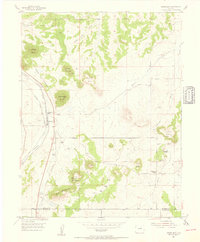 1954 Greenland1955 Print · USGSDouglas County ranching and railroading are captured here in the mid-fifties as two major rail lines converge near the settlement of Greenland. Researchers can locate the Spring Valley Cem, trace the grounds of the Lincoln Ranch, or identify the remote Lincoln Mountain School.6 unique versions available
 - 1954 Map of Black Forest, 1955 Print
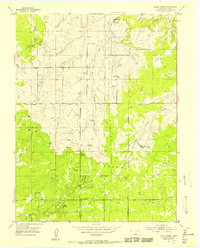 1954 Black Forest1955 Print · USGSBlack Forest was a landscape of ranches and timbered hills in the mid-1950s before suburbanization arrived. Trace the locations of early local anchors like the Black Forest School, Old Bar X Ranch, and the La Foret (Church Camp).8 unique versions available
 - 1954 Map of Ellicott, 1955 Print
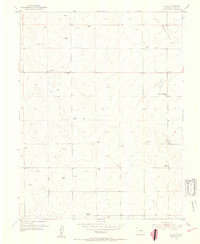 1954 Ellicott1955 Print · USGSEl Paso County’s high plains are captured here in the mid-fifties, showing a rural landscape defined by ranching and small-town infrastructure. Genealogists can trace early homesteads and landmarks like Alger Ranch, Ellicott Consolidated School, and the El Paso Telephone Exchange.3 unique versions available
 - 1954 Map of Mount Deception, 1955 Print
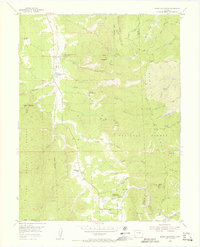 1954 Mount Deception1955 Print · USGSThe Pike National Forest comes to life in the mid-fifties, showing a landscape of forest research and early mountain recreation. Researchers can trace historic sites like the Manitou Experimental Forest Headquarters, the Manitou Park Grange, and the Sky High Girl Scout Camp.10 unique versions available
 - 1954 Map of Haegler Ranch, 1955 Print
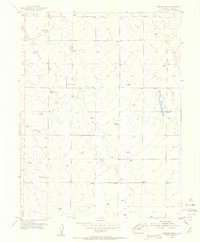 1954 Haegler Ranch1955 Print · USGSEastern El Paso County ranching culture is frozen in time during the mid-1950s, showing a landscape defined by windmills and remote homesteads. Genealogists can trace family footprints at Haegler Ranch, Hook & Line Ranch, and the Community Building.3 unique versions available
 - 1954 Map of Palmer Lake, 1955 Print
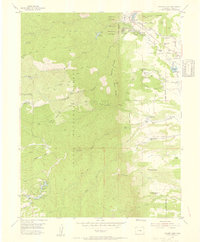 1954 Palmer Lake1955 Print · USGSThe area surrounding Palmer Lake is captured in the mid-1950s, showing a landscape defined by its dual railroads and working cattle ranches. Researchers can locate family landmarks like the Cloven Hoof Ranch, the Old Stone Fort, and the McShane Home (Site).2 unique versions available
 - 1954 Map of Woodland Park, 1955 Print
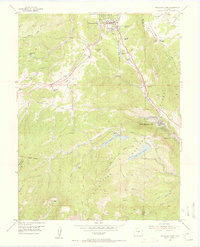 1954 Woodland Park1955 Print · USGSWoodland Park and the surrounding Rampart Range are shown in the mid-1950s as mountain tourism and water infrastructure expanded. Trace the Colorado Midland Railroad (Former Grade) or locate landmarks like The Crags and Thunderbird Camp.6 unique versions available
 - 1954 Map of Eastonville, 1955 Print
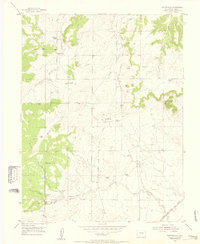 1954 Eastonville1955 Print · USGSEl Paso County ranching and rail history are well-preserved here in the mid-fifties, just as the landscape began its modern transition. You can trace the Old Railroad Grade, locate early settlements like Eastonville, and find family-named sites such as Ayer Ranch and Pine Park Ranch.6 unique versions available
 - 1954 Map of Hanover NW, 1955 Print
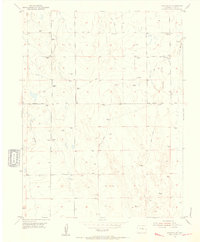 1954 Hanover NW1955 Print · USGSEl Paso County ranching lands are captured in the mid-1950s, showing a landscape defined by seasonal water and early range roads. Researchers can trace the network of Jeep Trails and locate numerous family-named landmarks like Crows Roost and Chico Creek.3 unique versions available
Showing maps 1-25 of 33
Top cities of El Paso County
- Colorado Springs historical maps
- Fountain historical maps
- Manitou Springs historical maps
- Monument historical maps
- Palmer Lake historical maps
- Calhan historical maps
See more
Frequently asked questions
- What are the different types of historical maps available for El Paso County?
- What is the oldest map of El Paso County?
- Where can I purchase historical maps of El Paso County for my home or office?
- Where can I download high-res historical maps of El Paso County?
- Are there historical topographic maps available for El Paso County?
- Is there historical aerial imagery available for El Paso County?
- Where are historical maps of El Paso County sourced from?