1900s (20th Century) Maps of Burke County, Georgia
Explore 73 historic maps of Burke County from the 1900s (20th Century). These maps offer a rare glimpse into what life looked like during the 1900s — showing old roads, neighborhoods, homes, and landmarks that have changed or disappeared over time.
Whether you're researching your family's past, planning a metal detecting trip, or studying how Burke County's landscape evolved across the 1900s, these high-resolution maps are a powerful tool for exploring the history of this region.
- Focus on a specific era: All maps on this page are from the 1900s, giving you a focused view of this time period.
- See what’s changed: Compare century-old streets, trails, and buildings to today's modern landscape using overlays and satellite layers.
- Research with precision: Use these maps for genealogy, historical research, land use analysis, or educational projects.
- View, download, or print: Maps are fully viewable online in high resolution, and can be downloaded or printed for your own records.
Start exploring Burke County's history through authentic maps from the 1900s. This is your window into the past.
Burke County, GA maps
(73)- 1919 Map of Gough
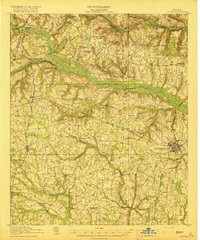 1919 Gough1919 Print · USGSEastern Georgia's rural landscape is captured here in the years following the Great War, showing a territory defined by railroad junctions and small community centers. Genealogists can locate family landmarks such as Boggs Academy, Hopeful Church, and the depot at Gough.3 unique versions available
 - 1920 Map of Ellenton
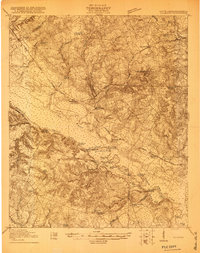 1920 Ellenton1920 Print · USGSThe Savannah River valley in the years following the Great War reveals a landscape of river landings and small rail towns. Genealogists can trace family footprints through rural sites like Ellenton, St Marys Church, and the Burton and Myers Store.
 - 1920 Map of Hilltonia
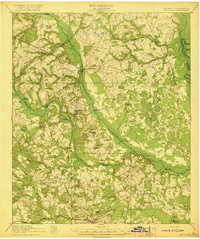 1920 Hilltonia1920 Print · USGSScreven County and the Savannah River valley are captured here at the end of the Great War, showing a landscape defined by ferries and rail. Genealogists can trace family footprints at Lovetts Cemetery, Bascom School, and the riverfront at Burtons Ferry.4 unique versions available
 - 1920 Map of Stapleton
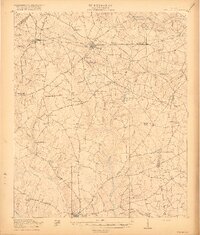 1920 Stapleton1920 Print · USGSEastern Georgia during the early twentieth century was a landscape of bustling cotton-belt rail towns and rural school districts. Genealogists and historians can trace family locations near landmarks like Harts Grove Church, Clarks Mill, and Wrens Sta.3 unique versions available
 - 1920 Map of Millen
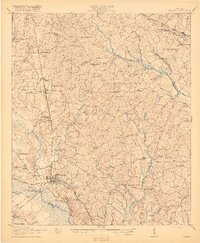 1920 Millen1920 Print · USGSJenkins County at the start of the twenties shows a landscape defined by the Ogeechee River and the busy rail junction at Millen. Genealogists can trace family footprints across dozens of rural landmarks like Old McCoy Church, Walker Academy, and Magnolia Spring.2 unique versions available
 - 1920 Map of Greens Cut
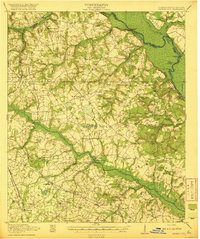 1920 Greens Cut1920 Print · USGSBurke County, Georgia, and the Savannah River valley are captured here just after the Great War during a period of peak rural density. Genealogists can locate dozens of country institutions like Daniel Grove Church, Red Hill School, and the Old Church Sta along the Central of Georgia line.3 unique versions available
 - 1921 Map of Augusta
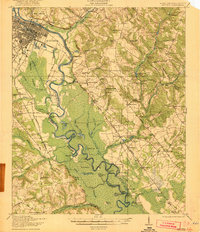 1921 Augusta1921 Print · USGSThe riverfronts of South Carolina and Georgia met at a busy rail and water crossroads just after the Great War. Genealogists can trace family landmarks like the Downer Institute, Cottage Cem, and early rural schools including Freeborn School and Spiderweb School.5 unique versions available
 - 1921 Map of Ellenton
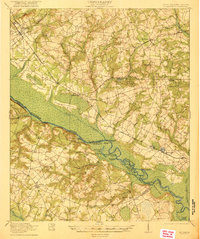 1921 Ellenton1921 Print · USGSThe Savannah River valley in the early 1920s reveals a lost network of riverside landings and agricultural rail stops. Genealogists can trace family footprints at Ellenton, Meyers Mill, and rural sites like Friendship Church or Bethesda School.2 unique versions available
 - 1922 Map of Harlem
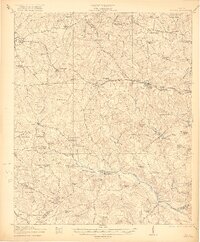 1922 Harlem1922 Print · USGSEastern Georgia's rural landscape is captured here in the years following the Great War, showing a territory tied together by the Georgia Railroad. Genealogists can locate family-named landmarks such as Lundie Grove School, Arrington Mill, and Old Union Church.3 unique versions available
 - 1922 Map of Hephzibah
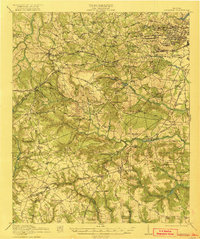 1922 Hephzibah1922 Print · USGSRichmond County at the end of the First World War shows a landscape defined by military mobilization and deep-rooted rural communities. Local historians can trace the sprawling Camp Hancock cantonment or locate family landmarks like Palmer Academy and Hephzibah.3 unique versions available
 - 1943 Map of Hilltonia
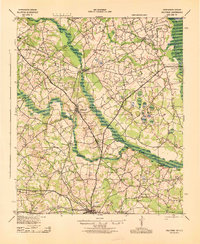 1943 Hilltonia1943 Print · USGSScreven County settlements and Savannah River landings are meticulously documented in this mid-century survey. Genealogists can trace family landmarks like Lovetts Cemetery, Rock Hill Sch, and Antioch Ch across the rural landscape.
 - 1943 Map of Greens Cut
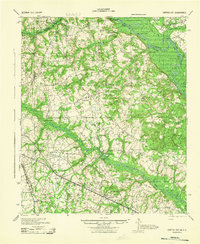 1943 Greens Cut1943 Print · USGSEastern Georgia during the early 1940s remained a landscape of river landings and rural railroad stops. Genealogists can trace family roots through numerous local landmarks like Old Church Sta, Hatchers Mill, and the settlement of Telfairville.
 - 1943 Map of Millen
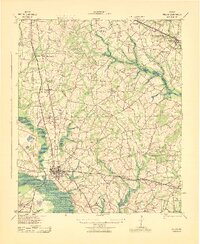 1943 Millen1943 Print · USGSEastern Georgia during the Second World War remains a landscape of remote rail junctions and country schools. Genealogists can trace family roots through numerous sites like Walker Academy, Old Fort Lawton, and the settlements of Munnerlyn and Perkins.
 - 1943 Map of Augusta East
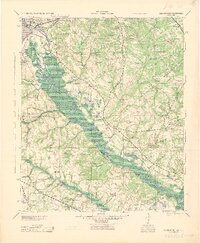 1943 Augusta East1943 Print · USGSThe Savannah River valley along the Georgia and South Carolina border is shown here in the early 1940s, just before significant regional changes. Genealogists can trace hundreds of rural landmarks, including Ellenton, the Downer Institute, and several mills like Hatchers Mill.
 - 1943 Map of Millen
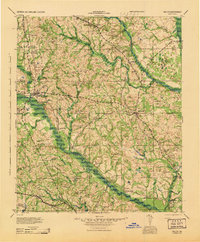 1943 Millen1943 Print · USGSEastern Georgia during the early 1940s is shown here as a network of rail-side towns and river landings. Genealogists and local historians can locate many rural landmarks including Habersham Sch, Lovetts Cemetery, and the river crossing at Burtons Ferry.
 - 1943 Map of Augusta
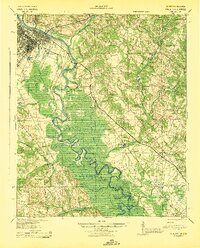 1943 Augusta1943 Print · USGSThe Savannah River corridor at the Georgia-South Carolina border comes alive in the early 1940s, showing the intricate wetlands and rural communities of Richmond and Aiken Counties. Researchers can locate vanished landmarks like the Downer Institute, the Cottage Cem, and early roads like Tobacco Road.
 - 1944 Map of Ellenton
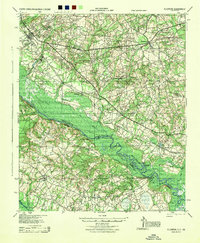 1944 Ellenton1944 Print · USGSIn the mid-1940s, this area of the Savannah River valley was a thriving agricultural landscape centered on Ellenton and Dunbarton. Genealogists can trace family footprints through sites like Bethesda Sch, Daisy May Ch, and the local Burton & Myers Store.
 - 1947 Map of Savannah
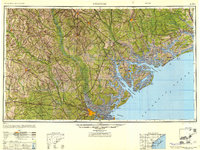 1947 Savannah1947 Print · USGSCoastal Georgia and South Carolina are captured here in the mid-forties, showing the rail-and-river networks of the Lowcountry. Genealogists and researchers can trace old crossroads and river towns from Statesboro to Beaufort, alongside military sites like Camp Stewart and Parris Island.
 - 1948 Map of Hephzibah
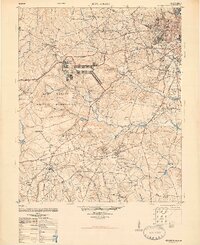 1948 Hephzibah1948 Print · USGSRichmond County and the Augusta suburbs are seen here during the late 1940s as military footprints like Camp Gordon began to reshape the landscape. Genealogists and local historians can locate dozens of country churches and rural cemeteries, from the Albion-Kaolin Chalk Mine to the Georgia Training School Farm.2 unique versions available
 - 1948 Map of Harlem
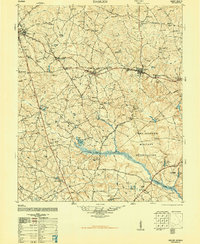 1948 Harlem1948 Print · USGSEastern Georgia in the late forties shows the expansion of the Camp Gordon Military Reservation into a landscape of rural hamlets. Researchers can trace old family sites like Bynum Cemetery and vanished landmarks like Central School (Abandoned).2 unique versions available
 - 1948 Map of Stapleton
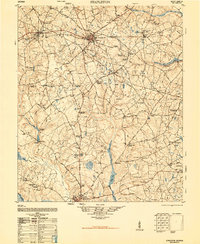 1948 Stapleton1948 Print · USGSJefferson County and the surrounding countryside appear in detail during the late 1940s, showing a landscape of rail junctions and rural homesteads. Genealogists and historians can trace family locations through sites like Ellis Plantation, Ponder Family Cemetery, and the old Wrens Station.2 unique versions available
 - 1948 Map of Savannah
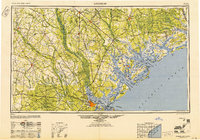 1948 Savannah1948 Print · USGSThe Georgia and South Carolina Lowcountry comes alive in this post-war survey of the coast and its river-fed hinterlands. Genealogists and historians can trace rail lines like the Central of Georgia RR and find established settlements such as Isle of Hope and Sylvania.
 - 1948 Map of Gough
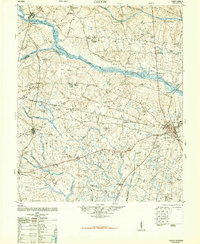 1948 Gough1948 Print · USGSMid-century Burke County is a landscape of rural schoolhouses and family-named mills as the post-war era began. Genealogists can trace family roots through sites like Boggs Academy, Noah's Ark Church & Cem, and Dyes Crossroads.2 unique versions available
 - 1948 Map of Blythe, 1964 Print
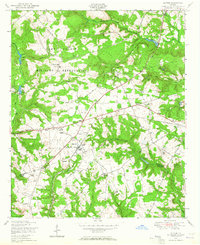 1948 Blythe1964 Print · USGSBlythe and the surrounding Richmond County countryside appear here just after the war, showing a landscape of small family farms and rural schools. Researchers can trace local genealogy through sites like Doyle Grove Church and School, the Saxon Cemetery, and the Camp Gordon Military Reservation boundary.4 unique versions available
 - 1950 Map of Waynesboro
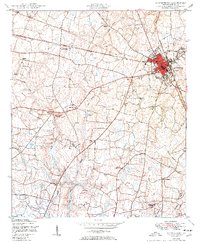 1950 Waynesboro1950 Print · USGSWaynesboro and the surrounding Burke County countryside are shown here at the start of the 1950s. Genealogists can trace a unique network of dual-purpose rural sites like Beechwood Church and School and family landmarks such as Gray Family Cemetery.2 unique versions available
Showing maps 1-25 of 73
Top cities of Burke County
- Waynesboro historical maps
- Sardis historical maps
- Midville historical maps
- Girard historical maps
- Vidette historical maps
Frequently asked questions
- What are the different types of historical maps available for Burke County?
- What is the oldest map of Burke County?
- Where can I purchase historical maps of Burke County for my home or office?
- Where can I download high-res historical maps of Burke County?
- Are there historical topographic maps available for Burke County?
- Is there historical aerial imagery available for Burke County?
- Where are historical maps of Burke County sourced from?