2000s (21st Century) Maps of Greene County, Indiana
Explore 75 historic maps of Greene County from the 2000s (21st Century). These maps offer a rare glimpse into what life looked like during the 2000s — showing old roads, neighborhoods, homes, and landmarks that have changed or disappeared over time.
Whether you're researching your family's past, planning a metal detecting trip, or studying how Greene County's landscape evolved across the 2000s, these high-resolution maps are a powerful tool for exploring the history of this region.
- Focus on a specific era: All maps on this page are from the 2000s, giving you a focused view of this time period.
- See what’s changed: Compare century-old streets, trails, and buildings to today's modern landscape using overlays and satellite layers.
- Research with precision: Use these maps for genealogy, historical research, land use analysis, or educational projects.
- View, download, or print: Maps are fully viewable online in high resolution, and can be downloaded or printed for your own records.
Start exploring Greene County's history through authentic maps from the 2000s. This is your window into the past.
Greene County, IN maps
(75)- 2010 Map of Koleen, 2010 Print
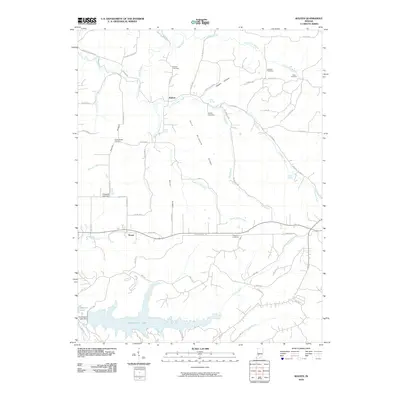 2010 Koleen2010 Print · USGSGreene County’s rural valleys and ridges come into focus here during the early twenty-first century. Family historians can trace ancestral lines through numerous burial grounds like Duke Cemetery and Taylor Ridge Cemetery, or locate old homesites near Koleen and Hard Scrabble Ridge.
 - 2010 Map of Coal City, 2010 Print
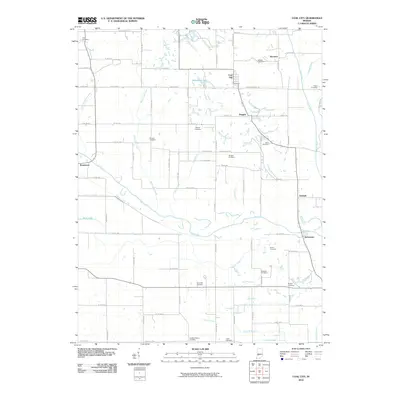 2010 Coal City2010 Print · USGSThis Owen County region shows the enduring footprint of rural settlements and 19th-century transit at the start of the 2010s. Genealogists can locate over a dozen burial sites including Scaffold Prairie Cemetery and trace the path of the Wabash and Erie Canal.
 - 2010 Map of Sandborn, 2010 Print
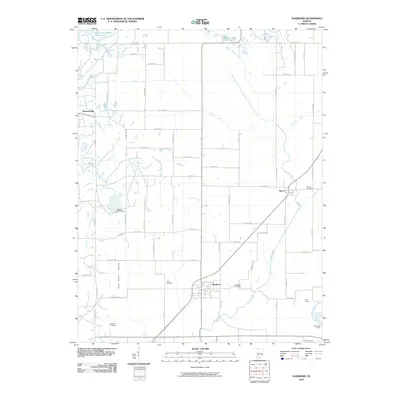 2010 Sandborn2010 Print · USGSSouthwestern Indiana agricultural life is documented here in the early twenty-first century. Researchers can trace rural lineages at Delay Cemetery and Begeman Cemetery or examine river management along the White River near Sandborn.
 - 2010 Map of Scotland, 2010 Print
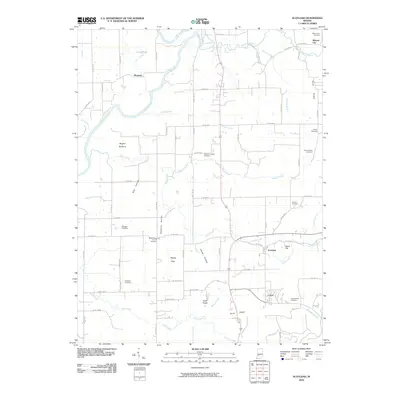 2010 Scotland2010 Print · USGSThe Indiana countryside near Scotland and Crane is captured here in the early twenty-first century as it balances rural agriculture with regional development. Genealogists can trace family history through numerous sites like Simpson Chapel Cemetery and Mount Nebo Church.
 - 2010 Map of Jasonville, 2010 Print
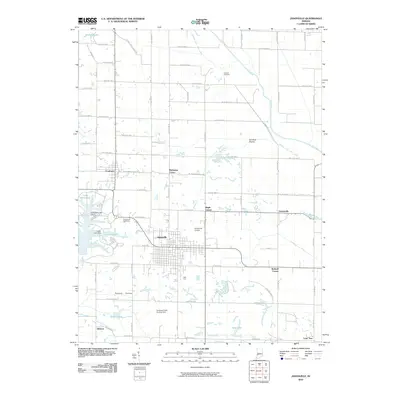 2010 Jasonville2010 Print · USGSJasonville and the Greene County borderlands are captured here in the early twenty-first century, showing a landscape shaped by coal-country infrastructure and historic waterways. Trace the path of the Wabash and Erie Canal or locate local landmarks like Old Union Cemetery and Latta Yard.
 - 2010 Map of Linton, 2010 Print
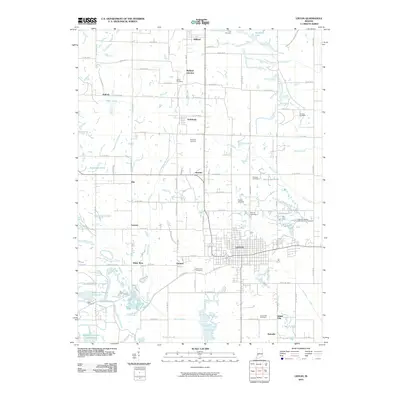 2010 Linton2010 Print · USGSIndiana's Greene County is centered on Linton in the early twenty-first century, a landscape defined by small settlements and historic cemeteries. Genealogists can trace family roots at Old Linton Cemetery and Bethel Cemetery, or locate the USA Center of Population.
 - 2010 Map of Bloomfield, 2010 Print
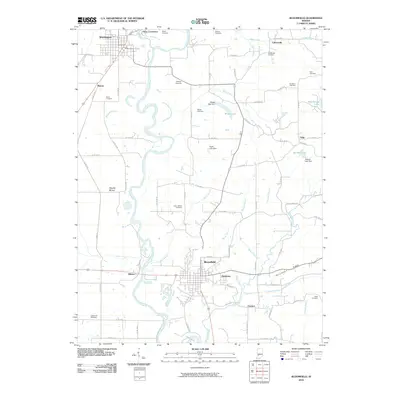 2010 Bloomfield2010 Print · USGSBloomfield and the White River valley are captured in this 2010 survey during a period of established rural settlement. Genealogists can locate numerous burial sites such as Stalcup and Union Bethel Cemetery, or trace the historical terrain around Fairplay Mound.
 - 2010 Map of Whitehall, 2010 Print
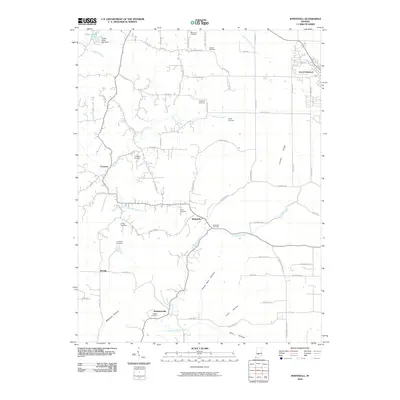 2010 Whitehall2010 Print · USGSMonroe and Greene County farmsteads and rural crossroads are captured here during the first decade of the new millennium. Genealogists can locate family plots at Hopewell Cemetery or Hudson Cemetery while tracing the waters of Richland Creek through Whitehall.
 - 2010 Map of Stanford, 2010 Print
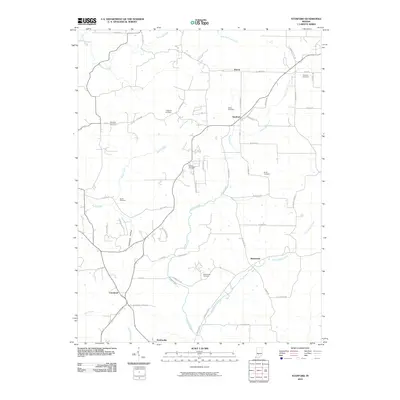 2010 Stanford2010 Print · USGSThe rural hills of Monroe and Greene Counties come into focus in this recent survey of the Indiana countryside. Local historians can locate numerous family-named burial sites like Sparks and Burch Cemeteries while tracing the settlements at Stanford and Cincinnati.
 - 2010 Map of Freedom, 2010 Print
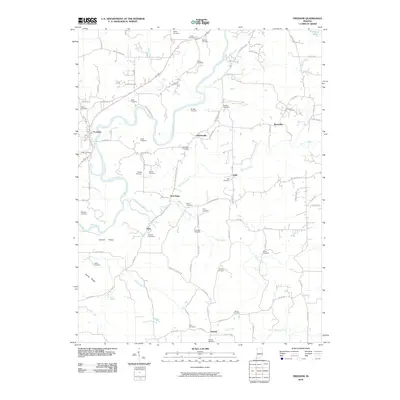 2010 Freedom2010 Print · USGSOwen County's river valleys and ridges are captured here in the early twenty-first century. Genealogists can trace family lines through over twenty named burial sites, including Hicks Cemetery and Livingston Cemetery, near rural hubs like Freedom and Newark.
 - 2010 Map of Switz City, 2010 Print
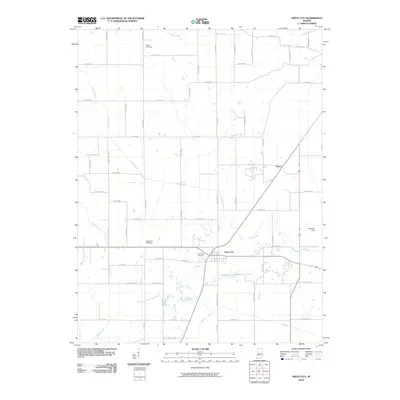 2010 Switz City2010 Print · USGSIndiana's Greene County is captured here in the early twenty-first century, showing a landscape shaped by rural industry and water management. Researchers can locate family landmarks such as Walker Cemetery and Waggoner Cemetery, or trace the course of Letsinger Ditch through the heart of the township.
 - 2010 Map of Solsberry, 2010 Print
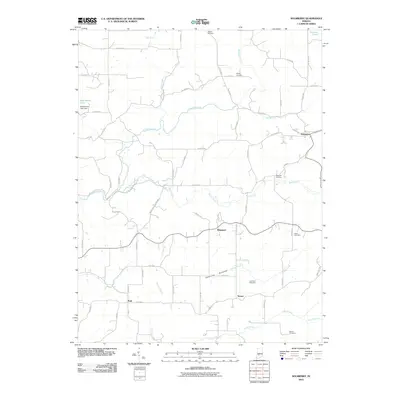 2010 Solsberry2010 Print · USGSGreene County, Indiana, is captured here in the early 2000s, showing a rural landscape defined by small crossroads settlements and family burial grounds. Genealogists can trace family lines at Bingham Cemetery or Newark Cemetery and locate the historic hubs of Solsberry and Ridgeport.
 - 2010 Map of Arney, 2010 Print
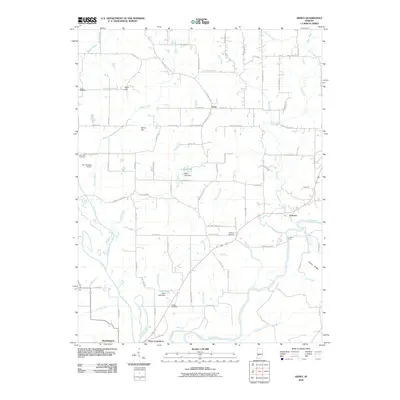 2010 Arney2010 Print · USGSIndiana's Greene County river country is captured in the early 2000s, showing the vital confluence of the Eel River and White River. Genealogists and local historians can trace family roots at Griffith Cemetery or locate the site of Point Commerce and the Farmers Ferry crossing.
 - 2010 Map of Owensburg, 2010 Print
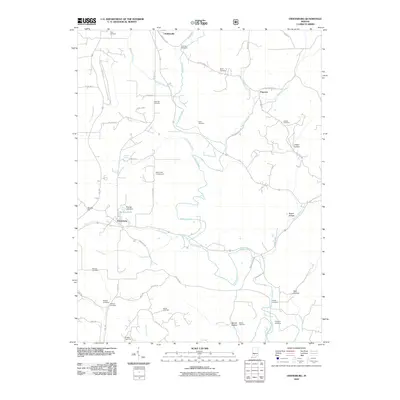 2010 Owensburg2010 Print · USGSOwensburg and the Greene County countryside are captured here in the early twenty-first century. Genealogists and local historians can trace family roots through more than a dozen burial grounds, including Bridges Cemetery, Lowder Cemetery, and Rush Cemetery.
 - 2011 Map of Lyons, 2011 Print
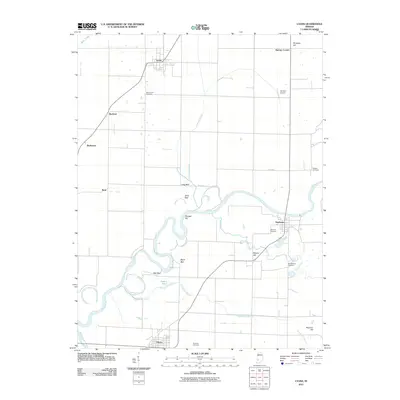 2011 Lyons2011 Print · USGSGreene County's rural river valley is captured here in the early twenty-first century, showing the winding White River and its managed floodplain. Researchers can locate family sites at Mount Zion Cemetery or trace the crossroads history of Stalcup Corner and Bushrod.
 - 2013 Map of Sandborn, 2013 Print
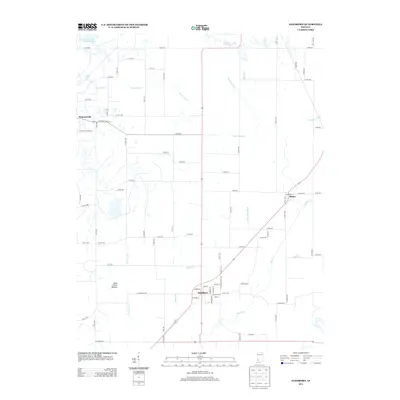 2013 Sandborn2013 Print · USGSIn the early 2010s, this area of Knox County shows a landscape deeply shaped by agricultural drainage and quiet rural crossroads. Genealogists and local historians can trace the streets of Sandborn and Pleasantville or follow the paths of Beehunter Ditch and Singer Ditch.
 - 2013 Map of Owensburg, 2013 Print
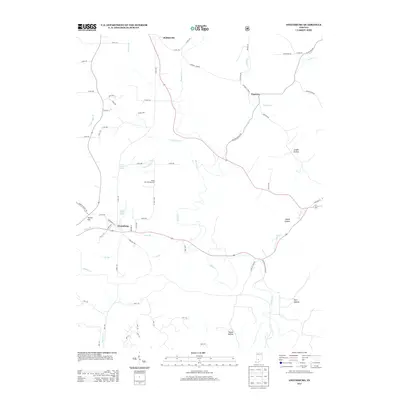 2013 Owensburg2013 Print · USGSSouthern Indiana's rural landscape comes into focus at the start of the 2010s, showing a region shaped by winding creeks and family-named hollows. Genealogists and local historians can trace the roads connecting Owensburg, Hobbieville, and Popcorn while identifying landmarks like Thomas Lake and Tunnel Hill.
 - 2013 Map of Scotland, 2013 Print
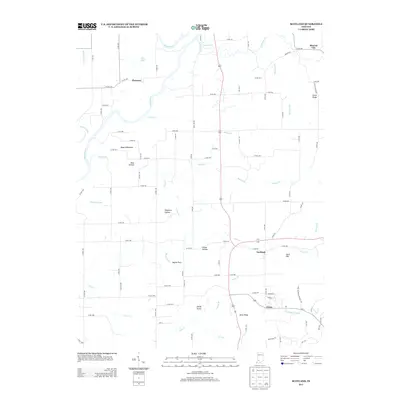 2013 Scotland2013 Print · USGSSouthern Indiana's rural landscape is captured here in the early twenty-first century, showing a mix of established military installations and traditional valley farming. Researchers can trace family-named landmarks and small communities from Scotland and Mineral City to the Naval Weapons Support Ctr and Jolliff Rocks.
 - 2013 Map of Koleen, 2013 Print
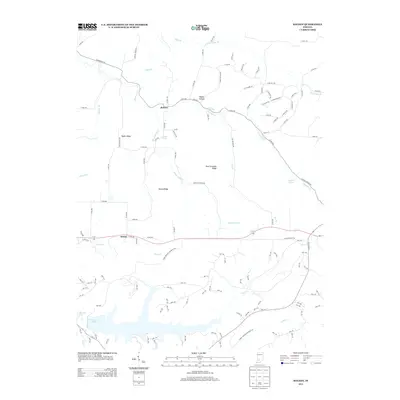 2013 Koleen2013 Print · USGSGreene County is shown here in the early twenty-first century, capturing a rural landscape of ridges and creek valleys. Genealogists and local historians can trace family land around Koleen, Doans, and landmarks like Hard Scrabble Ridge or Rock Springs.
 - 2013 Map of Jasonville, 2013 Print
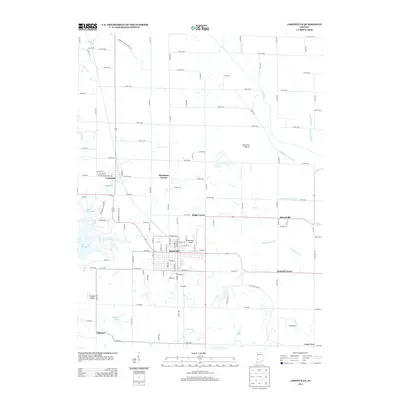 2013 Jasonville2013 Print · USGSIndiana's Greene and Clay counties are shown here in the early twenty-first century, centered on the community of Jasonville. You can trace historical transport routes like the Wabash and Erie Canal or explore the water-filled landscape of Shakamak State Park.
 - 2013 Map of Switz City, 2013 Print
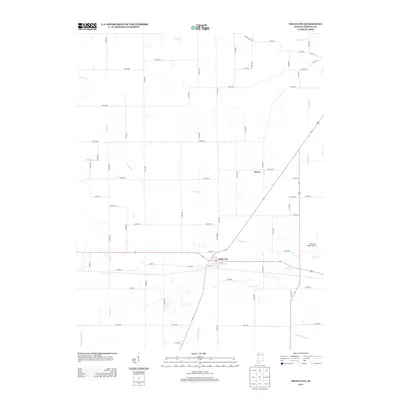 2013 Switz City2013 Print · USGSGreene County is shown in the early twenty-first century, centered on the transit hub of Switz City. Genealogists and researchers can trace the agricultural drainage network of Lattas Cr and Sloan Ditch or locate landmarks like Shawnee Field Airport.
 - 2013 Map of Linton, 2013 Print
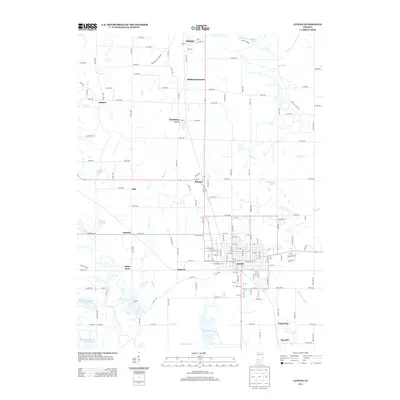 2013 Linton2013 Print · USGSGreene County in the early 2010s shows a landscape deeply marked by its coal-mining heritage and small-town networks. Researchers can trace the industrial footprint of the Peabody Coal Haul Rd and locate settlements like Vicksburg, Island City, and Sponsler.
 - 2013 Map of Coal City, 2013 Print
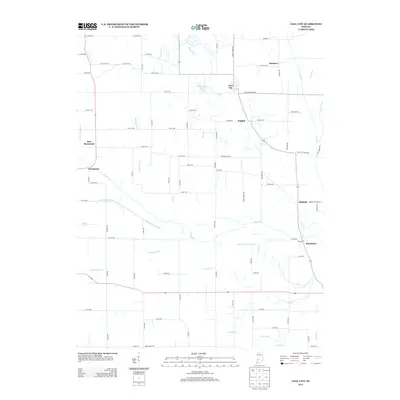 2013 Coal City2013 Print · USGSOwen County at the start of the 2010s reveals a rural landscape shaped by the historic Wabash and Erie Canal and the meandering Eel River. Researchers can trace the footprints of communities like Coal City, Daggett, and Stockton amid a network of drainage ditches and old county roads.
 - 2013 Map of Lyons, 2013 Print
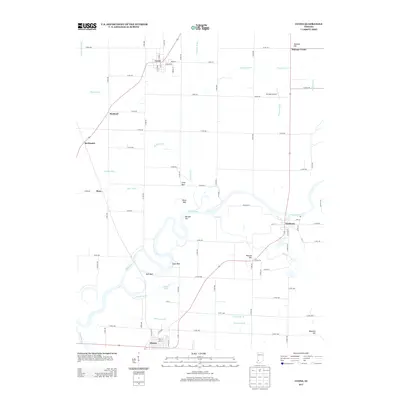 2013 Lyons2013 Print · USGSIndiana’s river lowlands come into focus in the early 21st century as the White River winds through Greene County. Genealogists and local historians can trace the vicinity of Lyons down to Elnora, identifying specific river landmarks like Nail Bed and Brewer Hill.
 - 2013 Map of Arney, 2013 Print
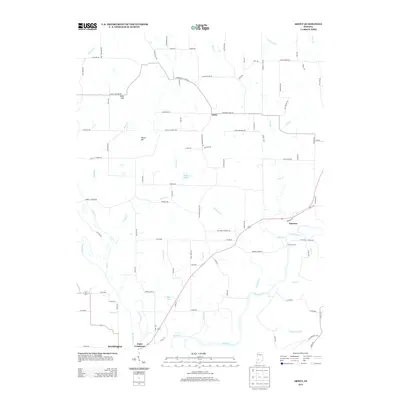 2013 Arney2013 Print · USGSThe confluence of the White River and Eel River defines this Indiana landscape in the early twenty-first century. Genealogists and local historians can trace family-named routes like Fiscus Cemetary Rd and locate settlements like Point Commerce and Farmers.
Showing maps 1-25 of 75
Top cities of Greene County
- Linton historical maps
- Bloomfield historical maps
- Jasonville historical maps
- Worthington historical maps
- Lyons historical maps
- Switz City historical maps
See more
Frequently asked questions
- What are the different types of historical maps available for Greene County?
- What is the oldest map of Greene County?
- Where can I purchase historical maps of Greene County for my home or office?
- Where can I download high-res historical maps of Greene County?
- Are there historical topographic maps available for Greene County?
- Is there historical aerial imagery available for Greene County?
- Where are historical maps of Greene County sourced from?