Old Maps of Seelyville, Indiana for Academic Research
Study the evolution of Seelyville with 29 high-resolution historic maps. Whether you're teaching, researching, or modeling changes in land use, these maps provide essential visual documentation of urban, environmental, and geographic change.
- Analyze long-term change: Track patterns in development, transportation, and natural features.
- Ideal for environmental or urban studies: Support academic projects with primary historical map data.
- Use in the classroom or lab: Educators and researchers rely on these maps to bring historical context to life.
These maps are a powerful tool for teaching, research, and visualizing how Seelyville has changed over the decades.
Seelyville, IN maps
(29)- 1908 Map of Clay City
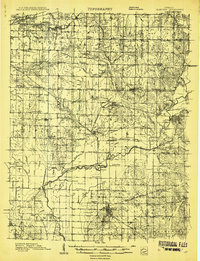 1908 Clay City1908 Print · USGSIndiana's coal and timber country comes alive in the years before the Great War, showing a landscape defined by deep river valleys and early rail lines. Genealogists can trace hundreds of family sites near Clay City and Center Point, or locate historic gathering places like Wesley Chapel and Roadman School.
 - 1910 Map of Clay City
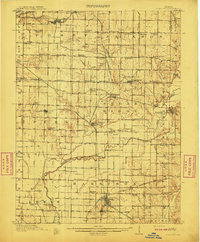 1910 Clay City1910 Print · USGSClay County at the height of its rail-and-river era shows a landscape shaped by coal transport and agriculture. You can trace the Wabash and Erie Canal, locate the Feederdam Bridge, and find dozens of family-named schoolhouses like Dutch Knob School.2 unique versions available
 - 1941 Map of Seelyville
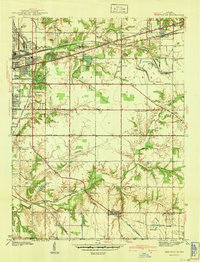 1941 Seelyville1941 Print · USGSVigo County at the start of the 1940s shows the industrial expansion of Terre Haute toward Seelyville. Trace family roots at Highland Lawn Cemetery or locate old industrial sites like the Binkley Mine and the Central Canal (Abandoned).2 unique versions available
 - 1950 Map of Rosedale, 1952 Print
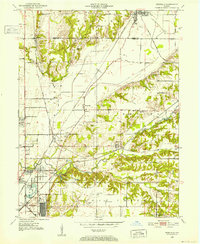 1950 Rosedale1952 Print · USGSThe rail-and-creek landscape of Parke and Vigo counties comes alive in this mid-century survey. Trace family roots and vanished rail stops through settlements like Atherton, Sandcut, and Burnett, or locate country landmarks like Friendship Ch and Markles Cem.2 unique versions available
 - 1952 Map of Seelyville, 1953 Print
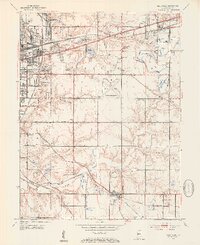 1952 Seelyville1953 Print · USGSVigo County enters a period of post-war industrial and civic expansion in the early fifties. Genealogists and local historians can trace the foundations of Rose Polytechnic Institute, locate family plots in Highland Lawn Cemetery, and explore the coal-mining heritage near Seelyville and Glen Ayr.2 unique versions available
 - 1953 Map of Indianapolis, 1965 Print
 1953 Indianapolis1965 Print · USGSCentral Indiana and the Illinois borderlands are captured in the mid-sixties, showing the growth of Indianapolis and its industrial rail corridors. Genealogists and historians can trace the development of outlying towns like Zionsville or Beech Grove and find landmarks such as Atterbury AAF and Turkey Run State Park.4 unique versions available
 - 1956 Map of Indianapolis
 1956 Indianapolis1956 Print · USGSCentral Indiana in the mid-fifties is captured during a period of industrial growth and military presence. Genealogists and historians can trace the rail networks of the New York Central or locate regional landmarks like Fort Benjamin Harrison and Camp Atterbury.
 - 1957 Map of Indianapolis
 1957 Indianapolis1957 Print · USGSCentral Indiana in the mid-fifties is captured here as a crossroads of major rail lines and nascent federal highways. Genealogists and historians can trace family-named ridges like Poplar Ridge or locate strategic sites like Camp Atterbury and Speedway.2 unique versions available
 - 1958 Map of Staunton, 1959 Print
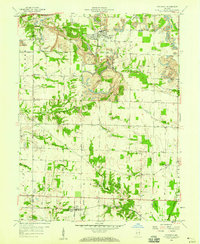 1958 Staunton1959 Print · USGSClay County at the end of the 1950s shows a landscape defined by the rails and the coal seams. You can trace the lineage of local families at Summit Lawn Cem and Mewhinney Cem, or follow the industrial activity of the Pennsylvania railroad near Staunton.4 unique versions available
 - 1962 Map of Indianapolis
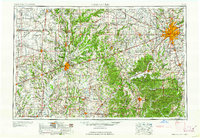 1962 Indianapolis1962 Print · USGSCentral Indiana and the Illinois borderlands are captured here in the early sixties, showing the region's dense rail networks and growing urban centers. Genealogists and historians can locate family-named landmarks and institutions like Crown Hill Cem, Indiana University, and the Indianapolis Motor Speedway.
 - 1962 Map of Rosedale, 1964 Print
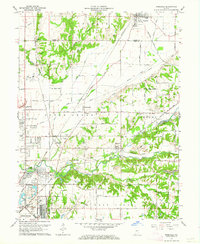 1962 Rosedale1964 Print · USGSThe Parke and Vigo county line was a bustling rail hub in the early sixties, centered on the convergence of major lines. Researchers can trace the development of Rosedale and North Terre Haute or locate family sites like Kennedy Cem and Sulphur Spring Ch.3 unique versions available
 - 1963 Map of Seelyville, 1965 Print
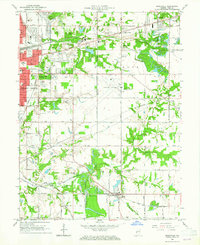 1963 Seelyville1965 Print · USGSThe eastern fringes of Terre Haute in the early sixties reveal a landscape transition from city parks to coal mines and historic canal beds. Genealogists and local historians can trace the paths of the Wabash and Erie Canal and locate landmarks like the Rose Polytechnic Institute and Mt Pleasant Mine.4 unique versions available
 - 1986 Map of Paris
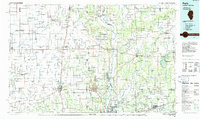 1986 Paris1986 Print · USGSThe Illinois-Indiana borderlands thrive in the mid-1980s as a hub of river-side industry and fertile farmland. Genealogists and historians can trace rail-centered settlements like Chrisman and Metcalf, or locate family sites at the Quaker Cem and Bethel Ch.2 unique versions available
 - 1986 Map of Terre Haute
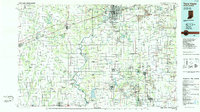 1986 Terre Haute1986 Print · USGSThe Wabash River valley and the coal-rich hills of West-Central Indiana and East-Central Illinois are shown here in the mid-eighties. Genealogists and local historians can trace family-named corners like Barrick Corner, find rural churches like New Hope Ch, and locate industrial landmarks such as the Thunderbird Mine.2 unique versions available
 - 2010 Map of Staunton, 2010 Print
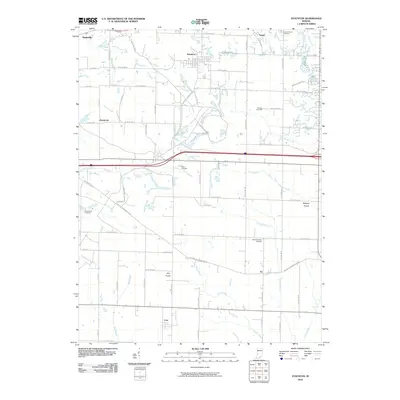 2010 Staunton2010 Print · USGSVigo and Clay Counties are shown here during the first decade of the millennium, a landscape defined by prairie lands and rural townships. Researchers can locate family sites at Summit Lawn Cemetery, trace the path of Honey Creek, or explore the small communities of Art and Cory.
 - 2010 Map of Seelyville, 2010 Print
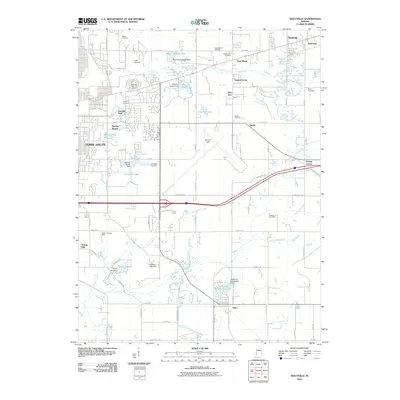 2010 Seelyville2010 Print · USGSEast of Terre Haute during the late 2000s, this area shows a landscape of growing subdivisions and deep-rooted family history. Genealogists and local historians can trace legacy sites like Mount Pleasant Mine, Highland Lawn Cemetery, and the historic settlement of Seelyville.
 - 2010 Map of Rosedale, 2010 Print
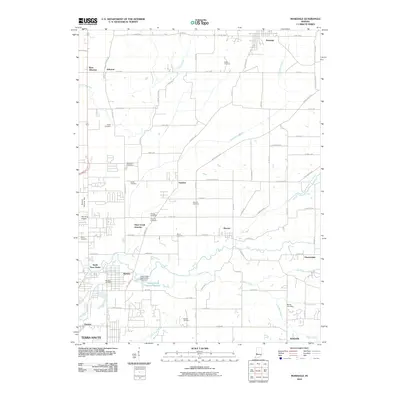 2010 Rosedale2010 Print · USGSThe northern reaches of Terre Haute and the village of Rosedale appear here at the turn of the twenty-first century. Genealogists can trace a wealth of family history through several dozen landmarks including Markles Cemetery, Ehrmandale, and Otter Creek Junction.
 - 2013 Map of Rosedale, 2013 Print
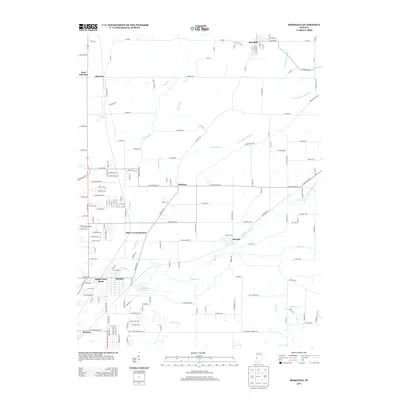 2013 Rosedale2013 Print · USGSThe Indiana countryside north of Terre Haute is shown here in the early twenty-first century, balancing rural heritage with modern suburban growth. Genealogists and local historians can trace family roots through settlements like Rosedale, Burnett, and Sandcut, or locate landmarks such as Sky King Airport.
 - 2013 Map of Staunton, 2013 Print
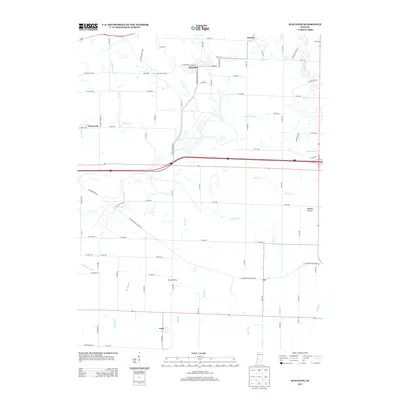 2013 Staunton2013 Print · USGSIndiana's prairie landscapes are meticulously charted here during the early 2010s. Genealogists and local researchers can trace the rural layout of Staunton, find the small settlement of Art, and locate landmarks like Clay Prairie or Big Slough.
 - 2013 Map of Seelyville, 2013 Print
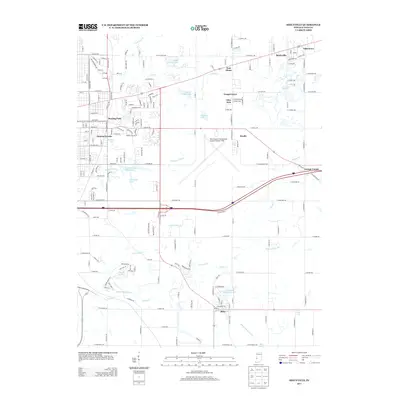 2013 Seelyville2013 Print · USGSEast of Terre Haute during the early 2010s, this area shows a mix of aviation infrastructure and suburban expansion. Researchers can trace the legacy of the Wabash and Erie Canal near Riley or explore the geography of Seelyville and Deming Park.
 - 2016 Map of Seelyville, 2016 Print
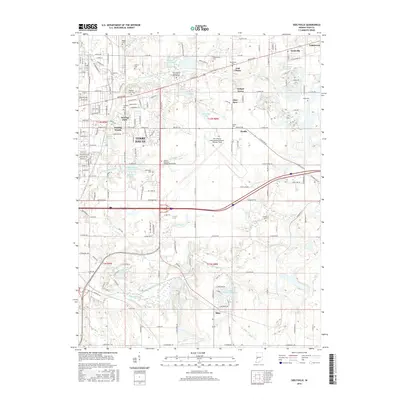 2016 Seelyville2016 Print · USGSTerre Haute's eastern expansion is captured in the mid-2010s, showing a blend of academic institutions and historic transport corridors. Genealogists and historians can trace the Wabash and Erie Canal near Riley or locate ancestors in Highland Lawn Cem and Chamberlain Cem.
 - 2016 Map of Rosedale, 2016 Print
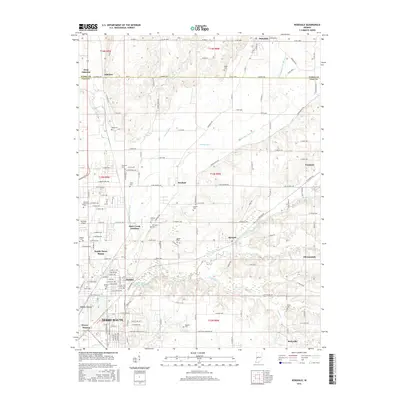 2016 Rosedale2016 Print · USGSTerre Haute and its northern environs are captured here in the mid-2010s as the urban landscape gives way to small rural settlements. Researchers can trace family history through numerous burial sites like Roselawn Memorial Park and Steveson Cem or locate the historic rail hubs at Otter Creek Junction.
 - 2016 Map of Staunton, 2016 Print
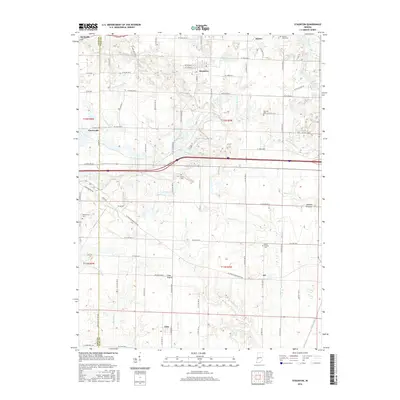 2016 Staunton2016 Print · USGSThe border of Vigo and Clay counties is shown here in the mid-2010s, capturing the enduring rural character of western Indiana. Researchers can trace local lineage through sites like German Cem and Mewhinney Cem or explore the reaches of Clay Prairie and Birch Creek.
 - 2019 Map of Rosedale, 2019 Print
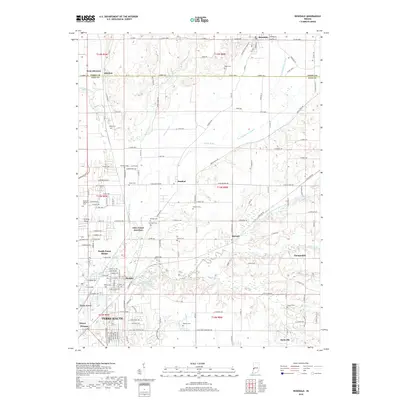 2019 Rosedale2019 Print · USGSThe northern reaches of Terre Haute meet the Parke County line in this recent survey of the Indiana Wabash Valley outskirts. Genealogists and local historians can trace family plots and crossroads at Otter Creek Junction, Ehrmandale, and the Markle Cem.
 - 2019 Map of Staunton, 2019 Print
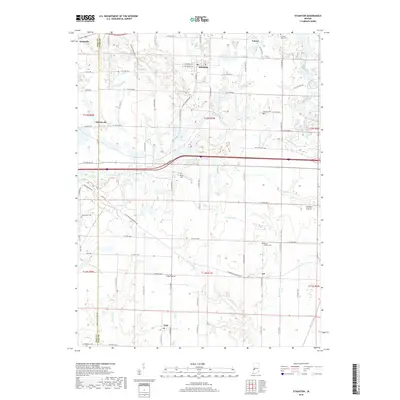 2019 Staunton2019 Print · USGSThe Vigo and Clay County borderlands are captured here in the late twenty-teens, showing the enduring rural layout of western Indiana. Researchers can trace family history through numerous burial sites like German Cem and the small settlements of Staunton and Art.
Showing maps 1-25 of 29
Top cities near Seelyville
- Terre Haute historical maps
- Brazil historical maps
- Clinton historical maps
- West Terre Haute historical maps
- Fairview Park historical maps
- Prairieton historical maps
See more
Frequently asked questions
- What are the different types of historical maps available for Seelyville?
- What is the oldest map of Seelyville?
- Where can I purchase historical maps of Seelyville for my home or office?
- Where can I download high-res historical maps of Seelyville?
- Are there historical topographic maps available for Seelyville?
- Is there historical aerial imagery available for Seelyville?
- Where are historical maps of Seelyville sourced from?