Old Maps of Lee Township, Iowa for Academic Research
Study the evolution of Lee Township with 32 high-resolution historic maps. Whether you're teaching, researching, or modeling changes in land use, these maps provide essential visual documentation of urban, environmental, and geographic change.
- Analyze long-term change: Track patterns in development, transportation, and natural features.
- Ideal for environmental or urban studies: Support academic projects with primary historical map data.
- Use in the classroom or lab: Educators and researchers rely on these maps to bring historical context to life.
These maps are a powerful tool for teaching, research, and visualizing how Lee Township has changed over the decades.
Lee Township, IA maps
(32)- 1908 Map of Waukee
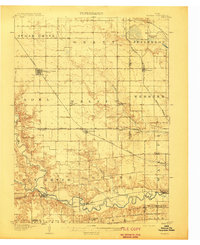 1908 Waukee1908 Print · USGSDallas County at the turn of the century shows a landscape shaped by competing railroads and the winding Raccoon River. Genealogists and local historians can trace early schoolhouse locations like Valley Grove School and the original rail footprints of Waukee and Van Meter.2 unique versions available
 - 1951 Map of St. Charles, 1953 Print
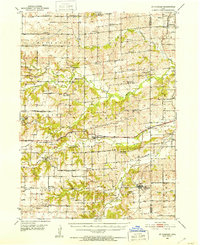 1951 St. Charles1953 Print · USGSMadison and Warren counties are seen here in the early 1950s, when a dense network of rail lines and country schools still knit these rural townships together. Genealogists and local historians can trace family locations near landmarks like Imes Bridge, St Charles Cem, and Blair Chapel.2 unique versions available
 - 1954 Map of Des Moines, 1973 Print
 1954 Des Moines1973 Print · USGSCentral Iowa's evolving landscape is captured here in the early seventies, just as major reservoirs were reshaping the river valleys. Genealogists and historians can trace the rail corridors of the Burlington Northern or locate family roots near Pella, Indianola, and Knoxville.2 unique versions available
 - 1956 Map of Des Moines
 1956 Des Moines1956 Print · USGSCentral Iowa in the mid-fifties shows a landscape defined by bustling rail hubs and deep-rooted agricultural research. Genealogists and researchers can trace the growth of Des Moines and Ames, locate the Sac and Fox Indian Reservation, or study the paths of the Skunk River and South Skunk River.
 - 1957 Map of Des Moines
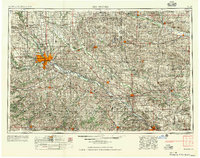 1957 Des Moines1957 Print · USGSCentral Iowa's post-war landscape is defined here by the converging rail lines and river valleys that shaped its earliest settlements. Genealogists and historians can trace the paths of the Rock Island Railroad and locate community landmarks in Des Moines, Ames, and Newton.
 - 1965 Map of Waukee, 1966 Print
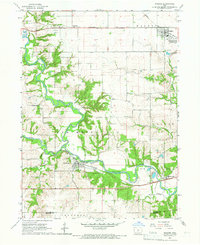 1965 Waukee1966 Print · USGSMid-century Dallas County is defined by the convergence of the North and South Raccoon Rivers and the busy rail lines of the era. Genealogists and local historians can locate several family cemeteries like Williams Cem and trace the paths of the Chicago Rock Island and Pacific railroad through Van Meter.2 unique versions available
 - 1965 Map of Commerce, 1966 Print
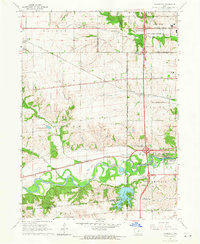 1965 Commerce1966 Print · USGSSuburban development meets Iowa farmland in the mid-1960s as the Raccoon River valley undergoes rapid change. Trace old rail lines like the Chicago Rock Island and Pacific or locate local landmarks like Valley High Sch and Sugar Creek Lake.2 unique versions available
 - 1969 Map of Des Moines
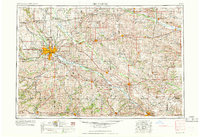 1969 Des Moines1969 Print · USGSCentral Iowa's fertile plains and growing capital are captured here during the late sixties, a time of major highway expansion and reservoir construction. Genealogists and researchers can trace rural township boundaries, local cemeteries, and rail lines serving towns like Pella, Grinnell, and Oskaloosa.
 - 1972 Map of Cumming, 1975 Print
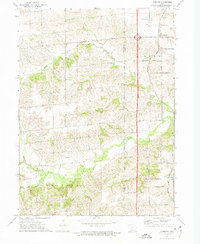 1972 Cumming1975 Print · USGSCumming and the surrounding townships in the early 1970s show a transition between rural agricultural life and a structured county road network. Genealogists can trace family connections at St Johns Cem, Calvary Cem, and the village of Churchville.
 - 1983 Map of St. Charles NW
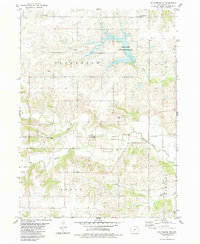 1983 St. Charles NW1983 Print · USGSMadison County's rural landscape is captured here in the early eighties, showcasing the intersection of four distinct townships. Researchers can locate family landmarks like the McBride Covered Bridge, Jefferson Cem, and Trinity Ch along the winding North River.
 - 1984 Map of Indianola
 1984 Indianola1984 Print · USGSSouth-central Iowa in the mid-1980s reveals a patchwork of established rail hubs and significant new conservation areas. Trace the Chicago and North Western rail lines and explore rural landmarks like Lake Ahquabi State Park or the Strip Mine near Knoxville.
 - 1984 Map of Des Moines, 1985 Print
 1984 Des Moines1985 Print · USGSCentral Iowa's heartland is captured in the mid-1980s as suburban growth met long-standing farm and rail infrastructure. Genealogists and researchers can trace the reaches of the Chicago and North Western through Maxwell or locate Laurel Hill Cem and Camp Dodge Military Reservation.2 unique versions available
 - 2010 Map of Commerce, 2010 Print
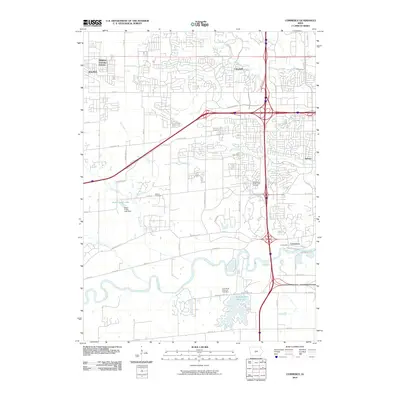 2010 Commerce2010 Print · USGSWest Des Moines is shown during a period of rapid suburban growth and infrastructure development in the early 21st century. Genealogists and local historians can locate Huston Cemetery and Dale Moffit Reservoir Cemetery or trace the old settlements of Commerce and Ashawa.
 - 2010 Map of Saint Charles NW, 2010 Print
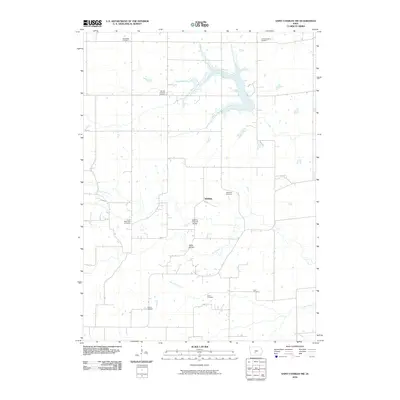 2010 Saint Charles NW2010 Print · USGSThe rural landscape southwest of Des Moines is captured here in the early twenty-first century, showing a region defined by its river crossings and family heritage. Researchers can locate the McBride Covered Bridge and numerous historic burial sites like Blue Ridge Cemetery and Neal Cemetery.
 - 2010 Map of Cumming, 2010 Print
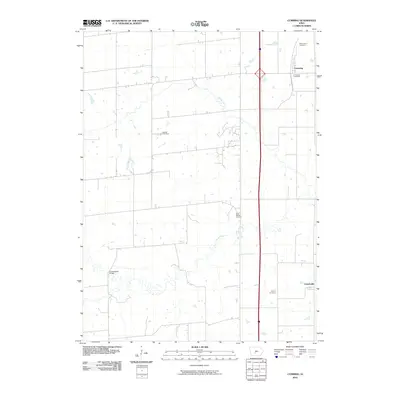 2010 Cumming2010 Print · USGSThe rural landscape south of Des Moines comes into focus in this early 21st-century survey of Madison and Warren counties. Local researchers can locate Saint Johns Cemetery, trace the path of the North River, and find the Cumming Post Office in the heart of town.
 - 2010 Map of Waukee, 2010 Print
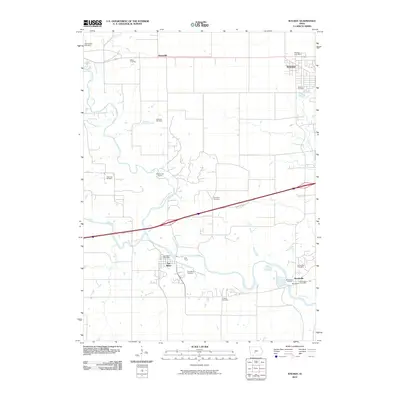 2010 Waukee2010 Print · USGSThe Raccoon River forks and Dallas County settlements define this part of Iowa in the early 21st century. Genealogists can trace family roots through several local burial sites like Odd Fellows Cemetery, Williams Cemetery, and Otterman Cemetery.
 - 2013 Map of Waukee, 2013 Print
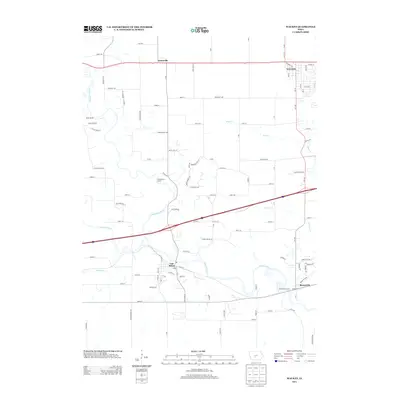 2013 Waukee2013 Print · USGSThe Raccoon River valley in central Iowa appears in this 2010s survey as suburban growth begins to meet rural river towns. Genealogists and local historians can trace the streets of Van Meter and Booneville or locate Ortonville and Puckerbrush Access.
 - 2013 Map of Cumming, 2013 Print
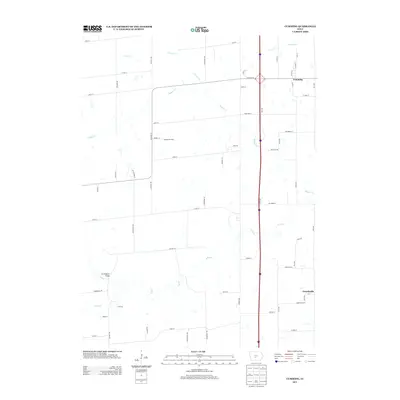 2013 Cumming2013 Print · USGSCumming and the surrounding Iowa farm country are shown in detail during the early 2010s, as the rural landscape continues its long-standing agricultural traditions. Researchers can trace local landmarks like Churchville, the Howell Tree Farm, and the Cunningham Bridge over the N River.
 - 2013 Map of Saint Charles NW, 2013 Print
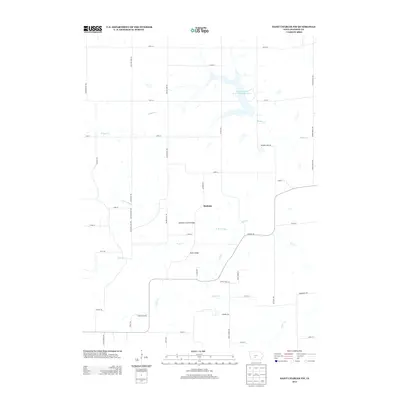 2013 Saint Charles NW2013 Print · USGSMadison County's rural landscape is captured here in the early 2010s as it centers around the McBride area. Researchers can trace historic river crossings like the McBride Covered Bridge and Miller Bridge or explore the Badger Creek State Recreation Area.
 - 2013 Map of Commerce, 2013 Print
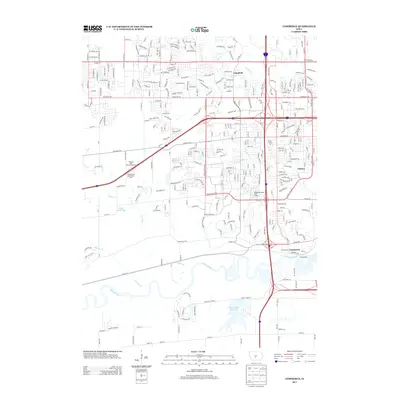 2013 Commerce2013 Print · USGSThe West Des Moines suburbs were rapidly expanding in the early 2010s, overtaking the traditional landscapes of Polk and Dallas counties. Researchers can trace the development of legacy areas like Commerce and Ashawa alongside the Dale Maffit Reservoir.
 - 2015 Map of Waukee, 2015 Print
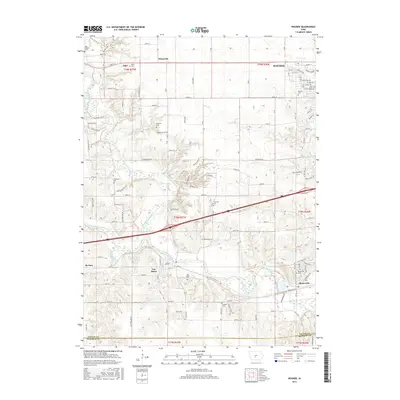 2015 Waukee2015 Print · USGSDallas County in the mid-2010s shows a landscape of growing towns and preserved rural history at the confluence of the Raccoon Rivers. Researchers can trace ancestral sites at Waukee Cem and Otterman Cem or locate old community hubs like Booneville and Ortonville.
 - 2015 Map of Commerce, 2015 Print
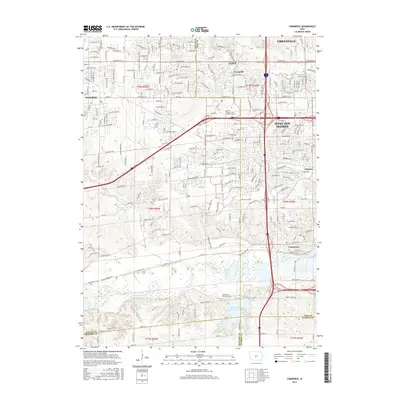 2015 Commerce2015 Print · USGSThe western Des Moines suburbs are captured here in a period of significant expansion across Dallas and Polk counties. Researchers can trace the legacy of the area through the Huston Cem, the small community of Ashawa, and the namesake village of Commerce near the Raccoon River.
 - 2015 Map of Saint Charles NW, 2015 Print
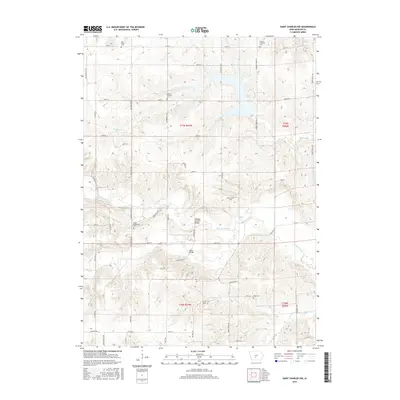 2015 Saint Charles NW2015 Print · USGSMadison County's rural landscape is meticulously detailed in this mid-2010s survey, showing the historic river crossings and farm roads south of West Des Moines. Researchers can locate numerous local burial sites including Blue Ridge Cem and Jefferson Cem, or trace the winding paths of Badger Cr and the N Br North River.
 - 2015 Map of Cumming, 2015 Print
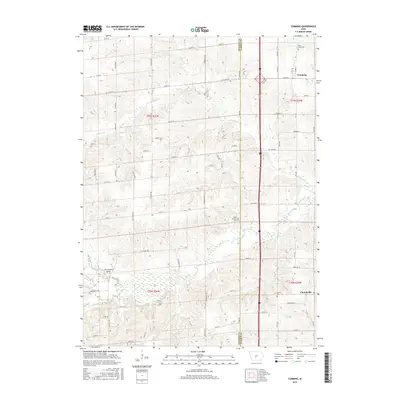 2015 Cumming2015 Print · USGSThe agricultural borderlands of Madison and Warren counties come to life in this mid-2010s survey. Genealogists and local historians can trace family locations near Cumming or Churchville and locate rural landmarks like Saint Patricks Cem.
 - 2018 Map of Cumming, 2018 Print
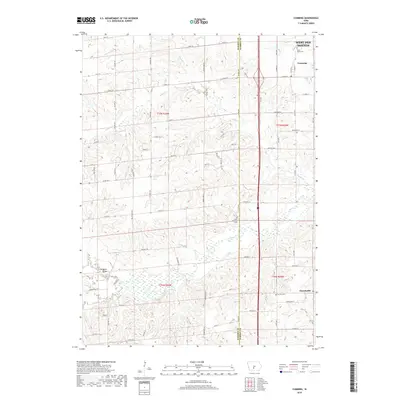 2018 Cumming2018 Print · USGSMadison and Warren counties are shown just south of the state capital in the late twenty-teens as suburban growth meets rural farmland. Genealogists and local historians can trace family roots at Saint Johns Cem, Saint Patricks Cem, and Churchville.
Showing maps 1-25 of 32
Top cities near Lee Township
- Des Moines historical maps
- West Des Moines historical maps
- Ankeny historical maps
- Urbandale historical maps
- Johnston historical maps
- Waukee historical maps
See more
Frequently asked questions
- What are the different types of historical maps available for Lee Township?
- What is the oldest map of Lee Township?
- Where can I purchase historical maps of Lee Township for my home or office?
- Where can I download high-res historical maps of Lee Township?
- Are there historical topographic maps available for Lee Township?
- Is there historical aerial imagery available for Lee Township?
- Where are historical maps of Lee Township sourced from?