2000s (21st Century) Maps of Marion County, Iowa
Explore 100 historic maps of Marion County from the 2000s (21st Century). These maps offer a rare glimpse into what life looked like during the 2000s — showing old roads, neighborhoods, homes, and landmarks that have changed or disappeared over time.
Whether you're researching your family's past, planning a metal detecting trip, or studying how Marion County's landscape evolved across the 2000s, these high-resolution maps are a powerful tool for exploring the history of this region.
- Focus on a specific era: All maps on this page are from the 2000s, giving you a focused view of this time period.
- See what’s changed: Compare century-old streets, trails, and buildings to today's modern landscape using overlays and satellite layers.
- Research with precision: Use these maps for genealogy, historical research, land use analysis, or educational projects.
- View, download, or print: Maps are fully viewable online in high resolution, and can be downloaded or printed for your own records.
Start exploring Marion County's history through authentic maps from the 2000s. This is your window into the past.
Marion County, IA maps
(100)- 2010 Map of Beech, 2010 Print
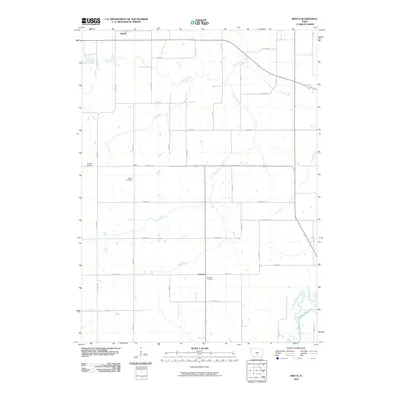 2010 Beech2010 Print · USGSMarion County's rural townships are captured here in the early twenty-first century, showcasing a landscape of small settlements and prairie creeks. Researchers can locate family sites near Motor Cemetery, Coloma Cemetery, and the quiet community of Beech.
 - 2010 Map of Pleasantville, 2010 Print
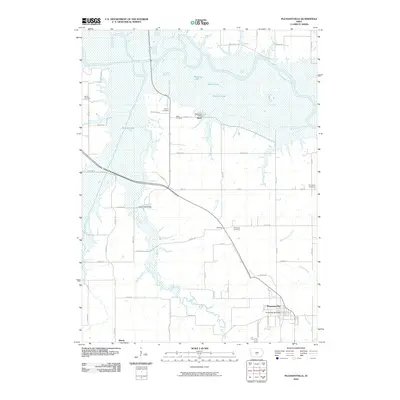 2010 Pleasantville2010 Print · USGSMarion County at the start of the 2010s shows a landscape defined by the Des Moines River valley and the growing hub of Pleasantville. Genealogists can locate family names at Moore Cemetery and Swan Cemetery or trace old routes near Wheling.
 - 2010 Map of Lovilia, 2010 Print
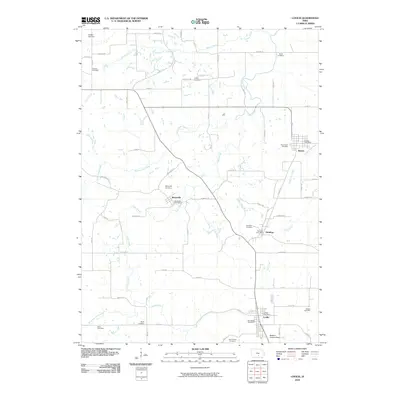 2010 Lovilia2010 Print · USGSMarion and Monroe Counties remained a landscape of scattered rural settlements and family burial grounds in the early twenty-first century. Researchers can trace local lineages through sites like Greenlawn Cemetery and Saint Peters Cemetery or explore the corridors of Bussey and Hamilton.
 - 2010 Map of Attica, 2010 Print
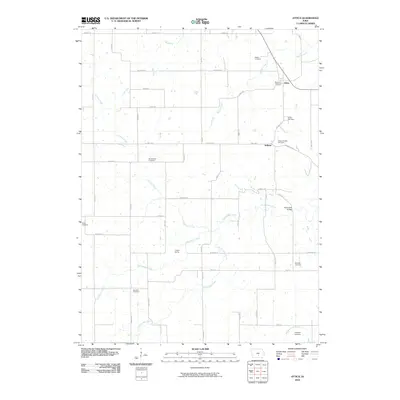 2010 Attica2010 Print · USGSWashington Township in Marion County comes into focus in the early 21st century, centered on Attica and Indiana. Genealogists can trace family roots through numerous sites like Mormon Cemetery, Eldorado Cemetery, and the crossing at Hammond Bridge.
 - 2010 Map of Monroe, 2010 Print
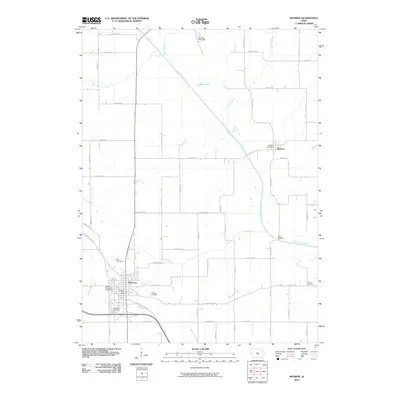 2010 Monroe2010 Print · USGSJasper County during the early twenty-first century reveals a landscape of fertile river valleys and quiet town centers like Monroe. Researchers can locate specific family sites near Seay Cemetery, Gifford Cemetery, and the banks of the South Skunk River.
 - 2010 Map of Buxton, 2010 Print
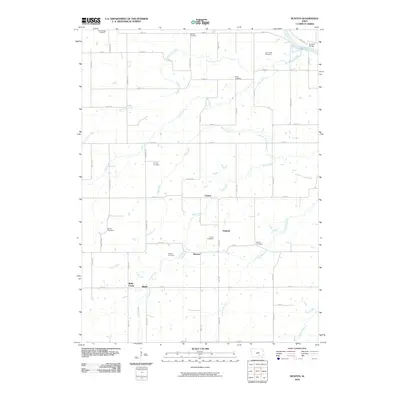 2010 Buxton2010 Print · USGSThis rural Mahaska County landscape in the early twenty-first century reveals a deeply rooted network of farming settlements and family cemeteries. Genealogists can trace local history through sites like Buxton Cemetery, Cricket, and the Eveland Bridge over the Des Moines River.
 - 2010 Map of Otley, 2010 Print
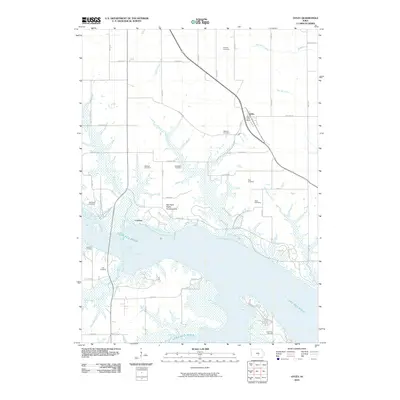 2010 Otley2010 Print · USGSMarion County at the start of the decade shows a landscape shaped by the waters of Lake Red Rock and the rural community of Otley. Genealogists can locate numerous local burial sites like Gibbons Cemetery and Price Cemetery or trace the early paths of Co Hwy G28.
 - 2010 Map of Prairie City, 2010 Print
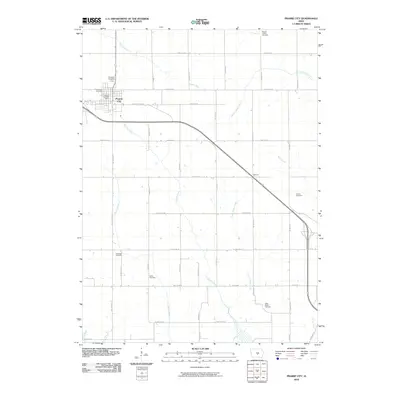 2010 Prairie City2010 Print · USGSPrairie City and the surrounding Jasper County countryside are shown here in the early 2000s, defined by a rich agricultural grid and numerous rural burial sites. Genealogists can trace family locations near Waveland Cemetery, Griffis Cemetery, and the settlement of Fairmont.
 - 2010 Map of Sully, 2010 Print
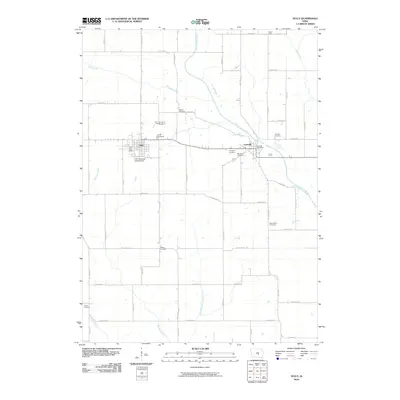 2010 Sully2010 Print · USGSJasper County, Iowa, is captured here in the early twenty-first century, showing the established agricultural grids and riverside towns. Genealogists can locate family sites at Swans Cemetery, New Salem Cemetery, and the Sully Cemetery.
 - 2010 Map of Pella, 2010 Print
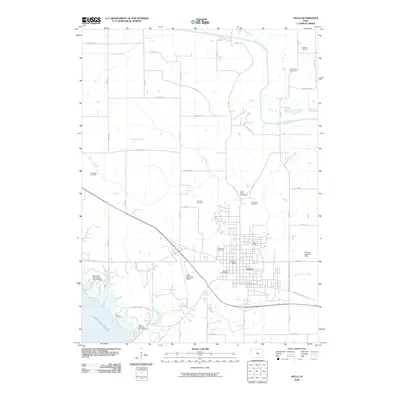 2010 Pella2010 Print · USGSThe town of Pella and the northern reaches of Lake Red Rock are captured here in the early 2000s. Researchers can locate family heritage sites like Virerson Cemetery and Hannold Cemetery or trace landmarks such as the Tulip Toren and Pella Post Office.
 - 2010 Map of Leighton, 2010 Print
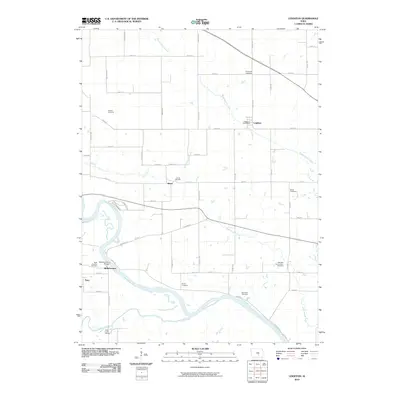 2010 Leighton2010 Print · USGSMahaska County at the turn of the decade shows a landscape where the Des Moines River shapes the development of rural Iowa communities. Genealogists and historians can trace numerous burial sites including Olivet Cemetery and the Mahaska County Farm Cemetery, alongside landmarks like the Bellefountain Bridge.
 - 2010 Map of Killduff, 2010 Print
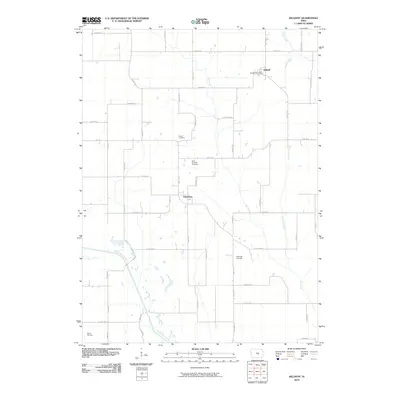 2010 Killduff2010 Print · USGSJasper County farmland and the winding river bottom are documented here during the early twenty-first century. Researchers can locate several burial grounds including Saint Andrews Cemetery and Dearinger Cemetery, or trace the South Skunk River.
 - 2010 Map of Harvey, 2010 Print
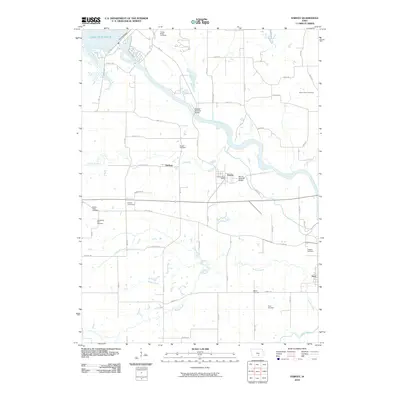 2010 Harvey2010 Print · USGSMarion County rural life and river geography are captured here in the early twenty-first century. Genealogists and local historians can trace family roots at English Settlement and small burial grounds like Loynachan Farm Cemetery and Eureka Cemetery.
 - 2010 Map of Peoria, 2010 Print
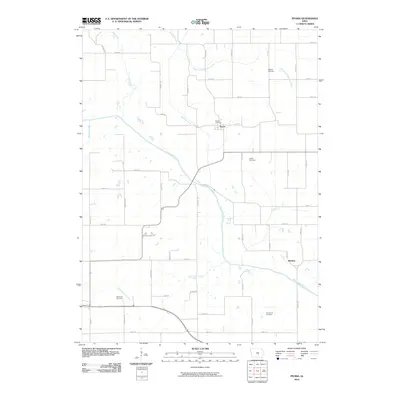 2010 Peoria2010 Print · USGSAgriculture and river drainage define this Iowa landscape during the early twenty-first century. Genealogists and local historians can trace family roots at Peoria Cemetery, Appel Cemetery, and the small settlement of Bernina along the South Skunk River.
 - 2010 Map of Melcher-Dallas, 2010 Print
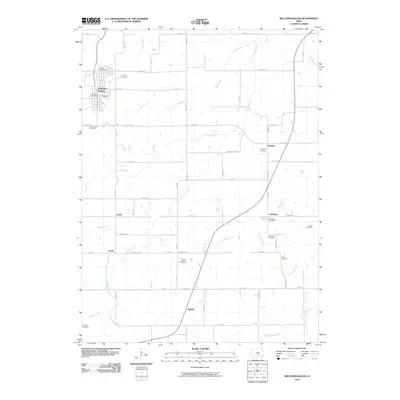 2010 Melcher-Dallas2010 Print · USGSMarion County's rural character is preserved in this late 2000s study of the Melcher-Dallas area. Genealogists can trace family history through numerous burial sites like Sacred Heart Cemetery and Strong Cemetery, or locate old civic hubs such as Columbia.
 - 2010 Map of Runnells, 2010 Print
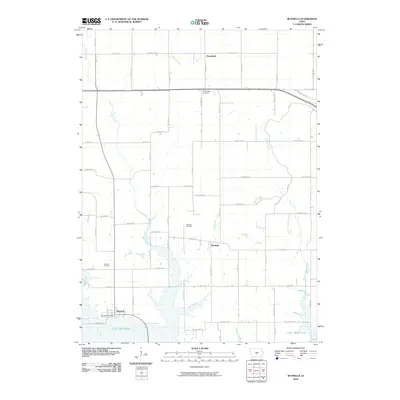 2010 Runnells2010 Print · USGSThe community of Runnells and the northern reaches of Lake Red Rock are captured here in the early twenty-first century. Family historians can locate specific sites like the Vandalia Cemetery, Lowman Cemetery, and the Runnells Post Office.
 - 2010 Map of Newbern, 2010 Print
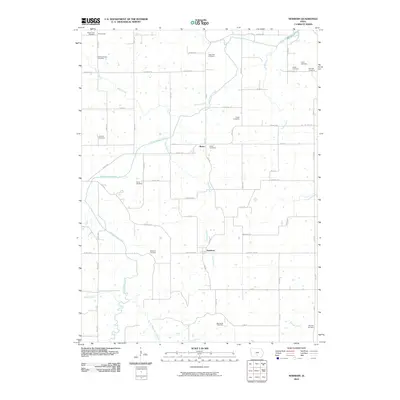 2010 Newbern2010 Print · USGSCentral Iowa's rural townships are documented here during the early twenty-first century, showing a landscape shaped by drainage ways and deep-rooted heritage. Genealogists can trace family landmarks through more than a dozen burial sites, including Saint Paul Cemetery, Bauer Cemetery, and Dallas Cemetery.
 - 2010 Map of Knoxville SW, 2010 Print
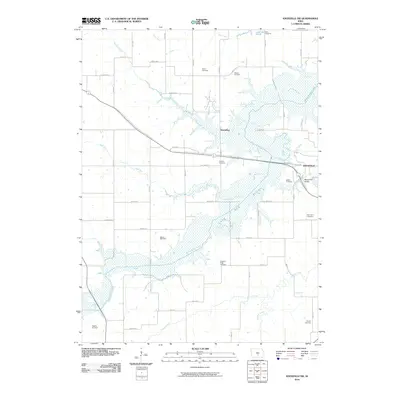 2010 Knoxville SW2010 Print · USGSMarion County's rural landscape meets the waters of the Des Moines River basin in this early twenty-first-century survey. Genealogists can locate numerous burial sites across the township, including Poor Farm Cemetery, Stickle Cemetery, and Wren Cemetery.
 - 2010 Map of Knoxville NW, 2010 Print
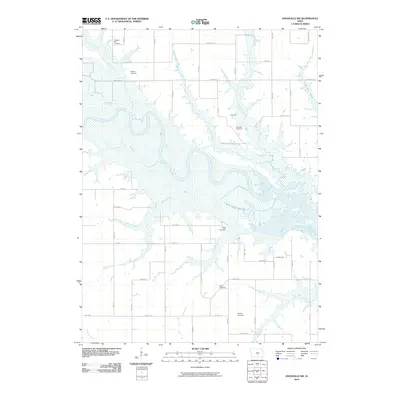 2010 Knoxville NW2010 Print · USGSKnoxville Township and the Des Moines River valley are shown here in the early twenty-first century as the waters of Lake Red Rock shape the local geography. Family historians can locate several rural burial sites, including Hughes Cemetery, Rees Cemetery, and the settlement of Dunreath.
 - 2010 Map of Knoxville, 2010 Print
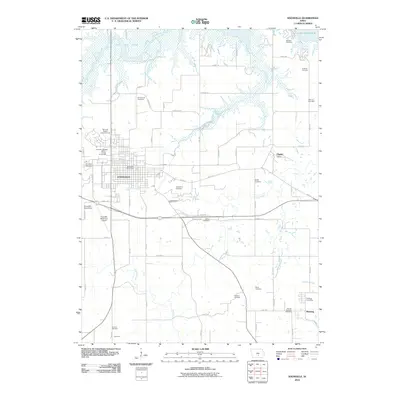 2010 Knoxville2010 Print · USGSKnoxville and its surrounding Marion County townships are shown here during the early twenty-first century, bounded by the waters of Lake Red Rock. Genealogists can trace family roots through numerous burial sites like Monster Cemetery, Asbury Cemetery, and Zion of Pershing Cemetery.
 - 2013 Map of Buxton, 2013 Print
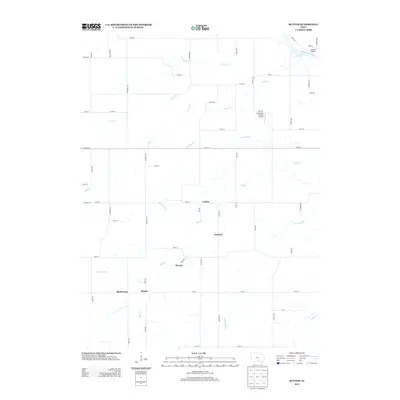 2013 Buxton2013 Print · USGSIn the rural heart of Mahaska County during the early 2010s, this area showcases the intersection of the Des Moines River with established agricultural settlements. Genealogists and local historians can trace the footprints of Buxton, Cricket, and Miami, or locate the Eveland Bridge and Courtney's Landing Airport.
 - 2013 Map of Sully, 2013 Print
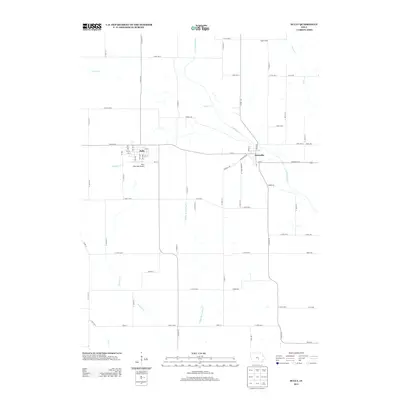 2013 Sully2013 Print · USGSJasper County farmland is mapped here in the early twenty-first century, centered on the river valley between Sully and Lynnville. Researchers can trace local drainage and land use along the N Skunk River or locate the Sully Municipal Airport.
 - 2013 Map of Leighton, 2013 Print
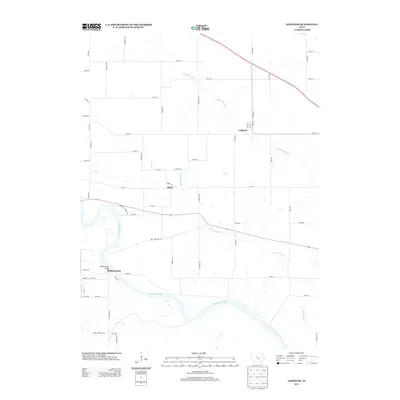 2013 Leighton2013 Print · USGSMahaska County near the Des Moines River is shown here in the early 2000s as a landscape of rural settlements and quiet waterways. Genealogists and local historians can locate the small communities of Leighton, Olivet, and Bellefountain, or trace the winding path of Muchakinock Cr.
 - 2013 Map of Peoria, 2013 Print
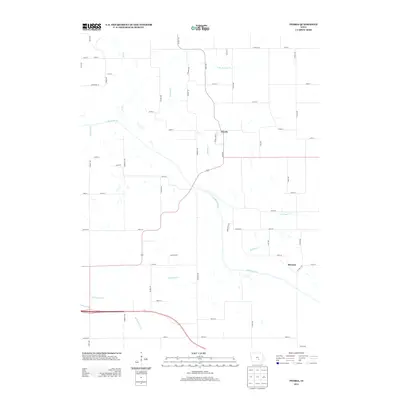 2013 Peoria2013 Print · USGSMarion County's rural landscape is captured here in the early twenty-first century, centered on the historic crossroads of Peoria. Genealogists and local historians can trace family land along the S Skunk River and near Bernina or Castle Cor.
 - 2013 Map of Pleasantville, 2013 Print
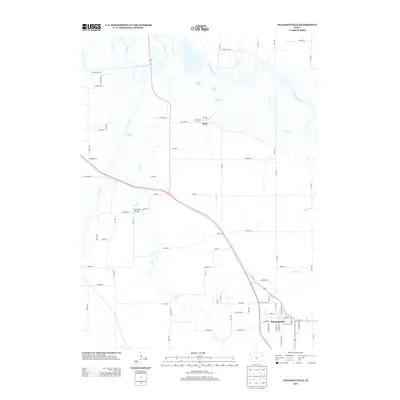 2013 Pleasantville2013 Print · USGSMarion County in the early twenty-first century reveals a landscape shaped by the Des Moines River and the growth of Pleasantville. Researchers can trace the grid of old settlements and water crossings like Swan, Wheling, and the Coal Creek Bridge.
Showing maps 1-25 of 100
Frequently asked questions
- What are the different types of historical maps available for Marion County?
- What is the oldest map of Marion County?
- Where can I purchase historical maps of Marion County for my home or office?
- Where can I download high-res historical maps of Marion County?
- Are there historical topographic maps available for Marion County?
- Is there historical aerial imagery available for Marion County?
- Where are historical maps of Marion County sourced from?