Old Maps of Plover, Iowa for Hiking & Exploration
Hike through history with 28 historic maps of Plover. Explore old trails, ghost towns, and forgotten backroads — perfect for outdoor adventurers and local explorers.
- Rediscover forgotten places: Map out old mining camps, roads, and footpaths that no longer exist on modern maps.
- Layer with modern tools: Combine with LiDAR or satellite views to plan hikes through historical terrain.
- Made for exploration: Popular among hikers, overlanders, and local history lovers.
Use these maps to find adventure and explore the hidden past of Plover.
Plover, IA maps
(28)- 1954 Map of Fort Dodge, 1968 Print
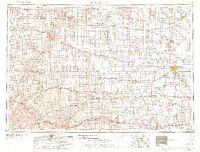 1954 Fort Dodge1968 Print · USGSNorthwest Iowa is shown here during a period of steady industrial and rail activity in the mid-fifties. Researchers can trace the extensive rail lines connecting Fort Dodge to mining and manufacturing sites like Gypsum and Industry Station.3 unique versions available
 - 1957 Map of Fort Dodge
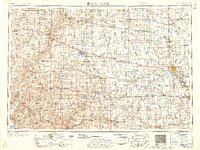 1957 Fort Dodge1957 Print · USGSWest-central Iowa thrived as a network of rail-linked agricultural hubs and river towns during the mid-fifties. Researchers can trace the development of the Des Moines River valley and locate historic landmarks in Fort Dodge, Storm Lake, and Lehigh.
 - 1958 Map of Fort Dodge
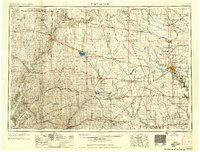 1958 Fort Dodge1958 Print · USGSWestern Iowa in the mid-1950s reveals a productive landscape of river-valley industry and prairie agricultural hubs. Researchers can trace the development of the Des Moines River corridor through Fort Dodge and locate vanished local landmarks near Coalville or Storm Lake.
 - 1980 Map of Rolfe
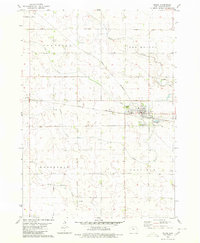 1980 Rolfe1980 Print · USGSIowa's prairie townships and the rail-oriented town of Rolfe are captured here in the 1980s. Genealogists can locate family sites at Powhatan Cem and Clinton-Garfield Cem, while tracing the CHICAGO AND NORTH WESTERN line.
 - 1980 Map of Havelock
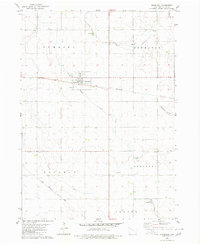 1980 Havelock1980 Print · USGSPocahontas County at the start of the 1980s reveals a precision-mapped landscape of rail junctions and prairie drainage. Genealogists and rail historians can trace the paths of the Chicago and North Western and the town's local Cemetery and Park.
 - 1980 Map of Mallard
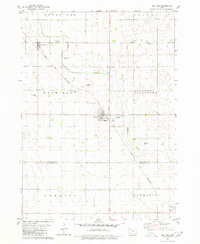 1980 Mallard1980 Print · USGSNorthwest Iowa's farm country is shown here during the late twentieth century, centered on the railroad hub of Mallard. Genealogists and historians can trace the local landscape through landmarks like St Marys Cem and the Chicago and North Western rail line.
 - 1980 Map of Plover
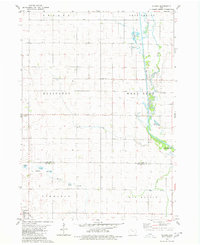 1980 Plover1980 Print · USGSThe rural agricultural landscapes of Pocahontas and Palo Alto Counties are captured here in the late twentieth century. Genealogists and local historians can trace property lines and find quiet landmarks like Lincoln Cem, Ellington Cem, and the C & N W rail line.
 - 1984 Map of Humboldt, 1985 Print
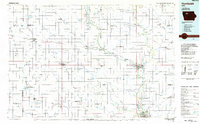 1984 Humboldt1985 Print · USGSNorth Central Iowa in the mid-eighties shows a deeply integrated landscape of agricultural drainage and rail-connected settlements. Trace the rural layout of the era via the Chicago and North Western line, Rush Lake, and Lizard Lake County Park.2 unique versions available
 - 2010 Map of Mallard, 2010 Print
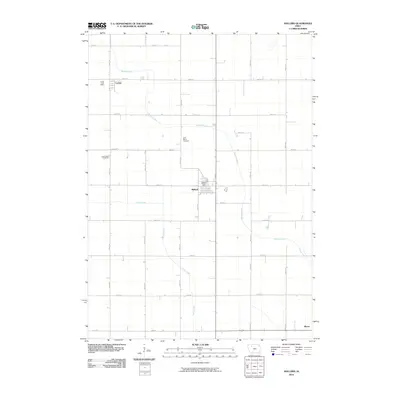 2010 Mallard2010 Print · USGSPalo Alto County farmland is captured here in the early 2000s, showing the enduring structure of the Iowa agricultural grid. Genealogists can trace local roots at Saint Marys Cemetery and Rush Lake Cemetery or locate the Mallard Post Office and Curlew Post Office.
 - 2010 Map of Havelock, 2010 Print
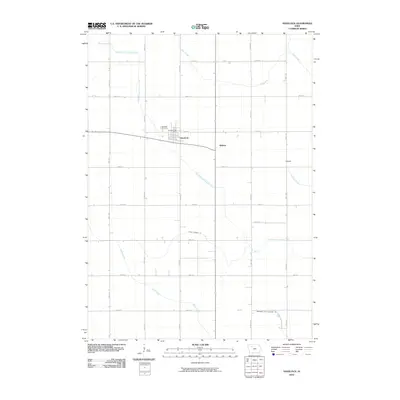 2010 Havelock2010 Print · USGSPocahontas County at the start of the 2010s reveals a highly organized agricultural landscape centered on the town of Havelock. Genealogists and local historians can trace the rural infrastructure through landmarks like the Havelock Cemetery and small locales like Ridotto and Rubens.
 - 2010 Map of Rolfe, 2010 Print
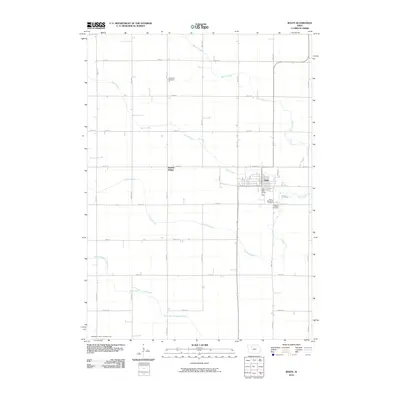 2010 Rolfe2010 Print · USGSThe Pocahontas County town of Rolfe is shown here in the early twenty-first century, surrounded by a productive landscape of creeks and prairie roads. Researchers can locate Powhatan Cemetery, the rail-side Rubens Siding, and several family-named cemeteries.
 - 2010 Map of Plover, 2010 Print
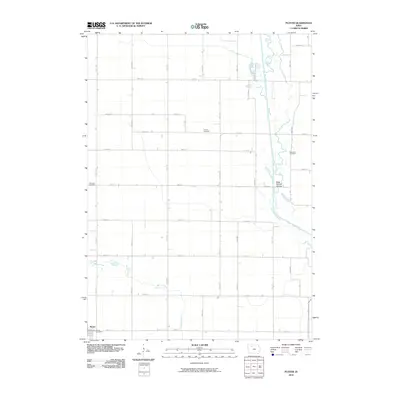 2010 Plover2010 Print · USGSThe rural landscape of Pocahontas County is captured here in the early twenty-first century, centered on the settlement of Plover. Researchers can trace the area's history through local landmarks like Lincoln Cemetery or follow the Des Moines River to the River Runner Access.
 - 2013 Map of Plover, 2013 Print
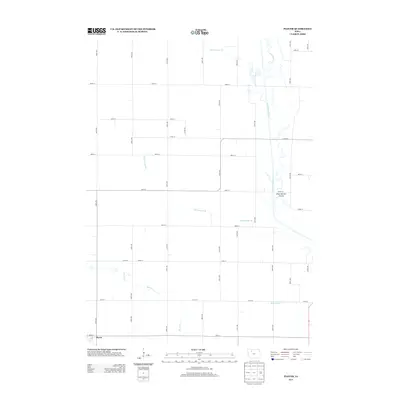 2013 Plover2013 Print · USGSThe Pocahontas County town of Plover and its surrounding agricultural grid are shown here in the early twenty-first century. Researchers can trace the winding course of the Des Moines River and identify local drainage patterns through Beaver Cr and Ditch Number 48.
 - 2013 Map of Mallard, 2013 Print
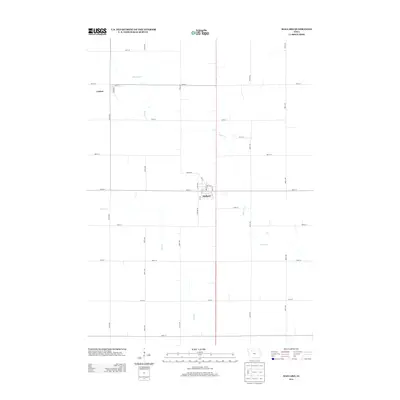 2013 Mallard2013 Print · USGSThe rural landscape of Palo Alto County is captured here in the early 21st century, centered on the farming communities of Mallard and Curlew. Local researchers can trace the course of Beaver Cr and Pilot Cr as they weave through a dense grid of township roads.
 - 2013 Map of Rolfe, 2013 Print
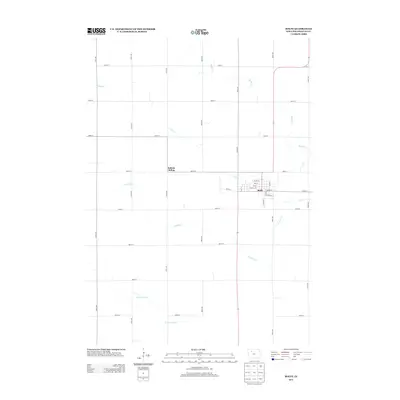 2013 Rolfe2013 Print · USGSThe rural landscape of Pocahontas County is documented here in the early twenty-first century, centered on the town of Rolfe. Genealogists and local historians can trace the grid of the community or locate the transit point at Rubens Siding near Pilot Cr.
 - 2013 Map of Havelock, 2013 Print
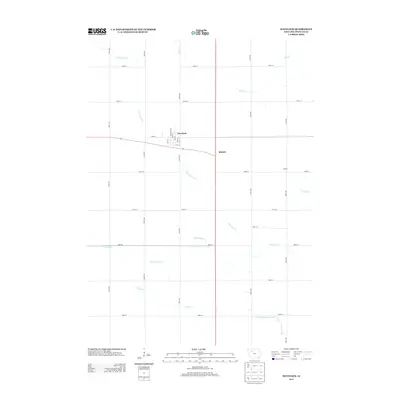 2013 Havelock2013 Print · USGSPocahontas County farmland is documented here in the early 2010s, showing a landscape precisely managed for agriculture. Genealogists and local historians can trace the street plan of Havelock or locate rural sites like Ridotto and Rubens among the waterways of Lizard Cr.
 - 2015 Map of Havelock, 2015 Print
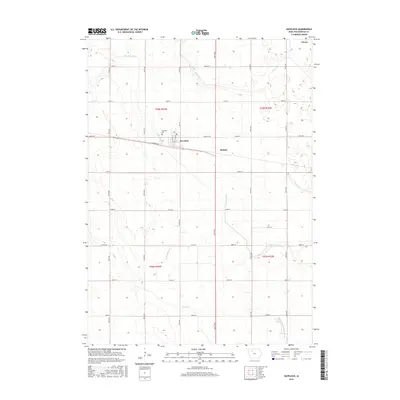 2015 Havelock2015 Print · USGSHavelock and the surrounding Pocahontas County farmland are shown here in the mid-2010s, revealing a landscape of high-order water management and traditional town layouts. Researchers can locate the Havelock Cem, trace the winding path of Pilot Cr, and identify rural settlements like Ridotto.
 - 2015 Map of Plover, 2015 Print
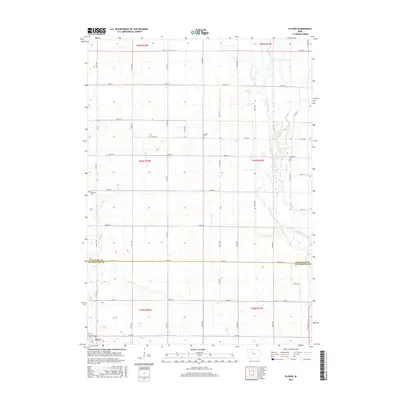 2015 Plover2015 Print · USGSPocahontas County at the dawn of the twenty-first century reveals a landscape defined by its river valleys and agricultural drainage networks. Genealogists can locate family sites near Lincoln Cemetery, Ellington Cemetery, and the town of Plover.
 - 2015 Map of Mallard, 2015 Print
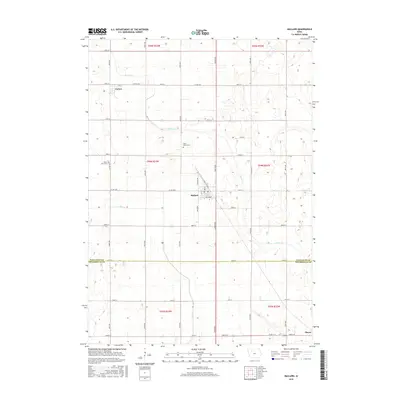 2015 Mallard2015 Print · USGSIn the mid-2010s, this portion of Palo Alto County shows the enduring rural layout of the Iowa prairie. Genealogists can locate family sites near Saint Marys Cem and Rush Lake Cem or trace the watercourses of Beaver Cr and Pilot Cr.
 - 2015 Map of Rolfe, 2015 Print
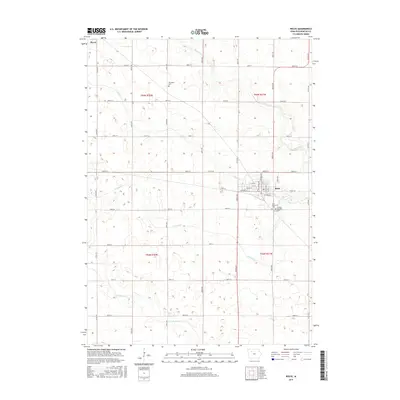 2015 Rolfe2015 Print · USGSThe Pocahontas County prairie around the turn of the twenty-first century is defined by its rigid section roads and slow-winding creeks. Genealogists can trace family roots at Powhatan Cem or study the town layout of Rolfe along Railroad St.
 - 2018 Map of Rolfe, 2018 Print
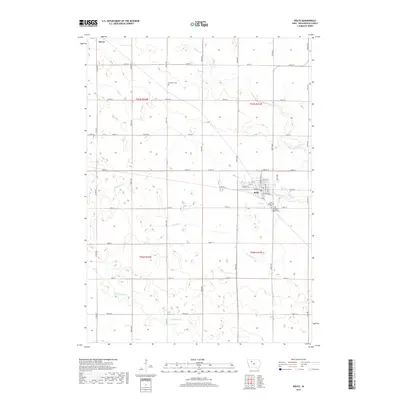 2018 Rolfe2018 Print · USGSAgricultural Pocahontas County is shown here in the late 2010s, featuring the well-ordered farm grids surrounding Rolfe and Plover. Genealogists can locate several burial grounds, including Powhatan Cem and Clinton-Garfield Cem, while following the paths of Pilot Cr and Beaver Cr.
 - 2018 Map of Plover, 2018 Print
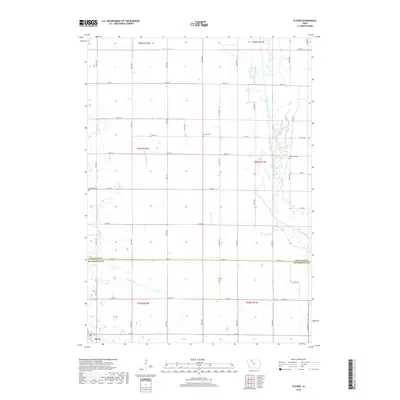 2018 Plover2018 Print · USGSPocahontas and Palo Alto Counties appear here in the late twenty-teens, showing the agricultural heartland around the town of Plover. Family historians can locate specific burial sites like Lincoln Cem and Ellington Cem or trace the winding Des Moines River.
 - 2018 Map of Havelock, 2018 Print
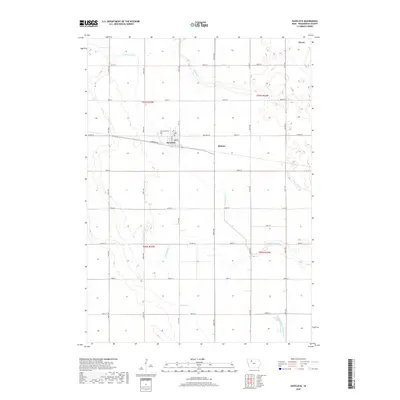 2018 Havelock2018 Print · USGSPocahontas County at the close of the 2010s shows a landscape of precision agriculture and small-town life. Trace family sites near Havelock and Plover, or locate the historic Havelock Cem among the reaches of N Br Lizard Cr.
 - 2018 Map of Mallard, 2018 Print
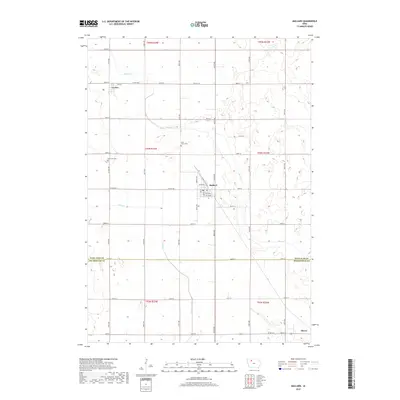 2018 Mallard2018 Print · USGSAgricultural life in Palo Alto and Pocahontas counties is centered around the towns of Mallard and Curlew in this 2018 survey. Researchers can trace local history through sites like Saint Mary's Cem and follow the paths of Beaver Cr.
 - 2022 Map of Rolfe, 2022 Print
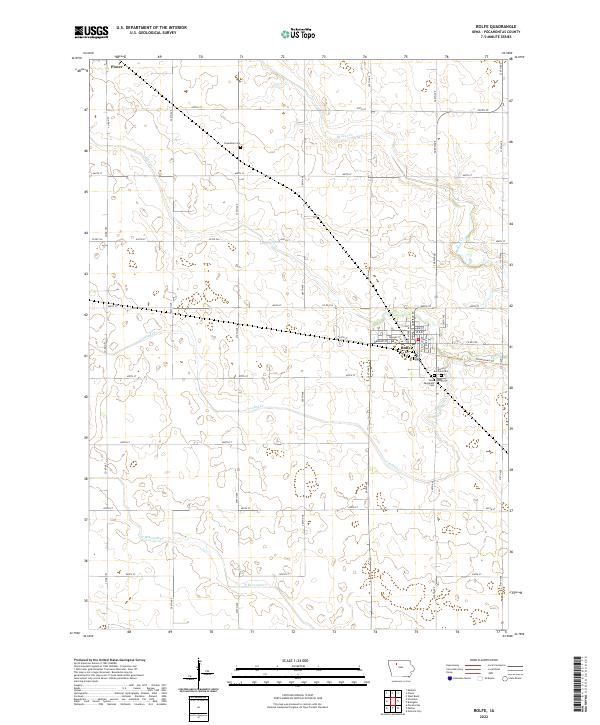 2022 Rolfe2022 Print · USGSAgricultural life in Pocahontas County during the early twenty-first century is anchored by the community of Rolfe. Researchers can locate family plots at Powhatan Cem or trace the regional drainage of Crooked Cr and the Three Rivers Trl.
Showing maps 1-25 of 28
Top cities near Plover
- Emmetsburg historical maps
- Pocahontas historical maps
- Laurens historical maps
- West Bend historical maps
- Rolfe historical maps
- Whittemore historical maps
See more
Frequently asked questions
- What are the different types of historical maps available for Plover?
- What is the oldest map of Plover?
- Where can I purchase historical maps of Plover for my home or office?
- Where can I download high-res historical maps of Plover?
- Are there historical topographic maps available for Plover?
- Is there historical aerial imagery available for Plover?
- Where are historical maps of Plover sourced from?