Old Maps of Salt Lick, Kentucky for Academic Research
Study the evolution of Salt Lick with 19 high-resolution historic maps. Whether you're teaching, researching, or modeling changes in land use, these maps provide essential visual documentation of urban, environmental, and geographic change.
- Analyze long-term change: Track patterns in development, transportation, and natural features.
- Ideal for environmental or urban studies: Support academic projects with primary historical map data.
- Use in the classroom or lab: Educators and researchers rely on these maps to bring historical context to life.
These maps are a powerful tool for teaching, research, and visualizing how Salt Lick has changed over the decades.
Salt Lick, KY maps
(19)- 1929 Map of Salt Lick, 1961 Print
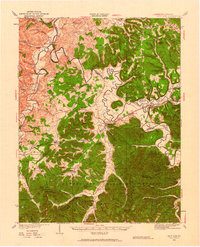 1929 Salt Lick1961 Print · USGSBath and Fleming counties are shown here as the Licking River valley was transitioning into a modern rail corridor. Genealogists and historians can trace numerous rural schoolhouses and river crossings like Moores Ferry, Arnold Chapel, and the historic Olympia Springs.
 - 1934 Map of Salt Lick
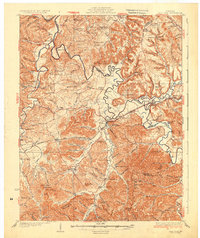 1934 Salt Lick1934 Print · USGSNortheastern Kentucky’s river valleys and ridgelines are captured here in the 1930s, centered on the vital rail corridor through Salt Lick. Genealogists and historians can trace dozens of rural schoolhouses and churches, including Arnold Chapel Sch, Olympia Springs, and Moores Ferry on the Licking River.
 - 1953 Map of Farmers, 1954 Print
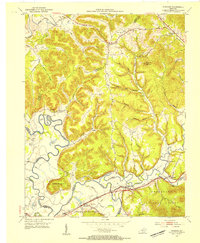 1953 Farmers1954 Print · USGSThe borderlands of Rowan, Bath, and Fleming counties are captured here in the early fifties, centered on the rail-and-river hub of Farmers. Local researchers can trace family roots through sites like Jones Cemetery, Moores Ferry, and the Three Lick School.2 unique versions available
 - 1953 Map of Salt Lick, 1954 Print
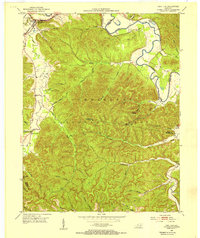 1953 Salt Lick1954 Print · USGSBath County at the start of the fifties shows a landscape where timber and rail define the community. Researchers can locate the C & O railroad through Salt Lick, the Tater Knob Lookout Tower, and burial sites like Dickerson Cem.2 unique versions available
 - 1957 Map of Huntington, 1966 Print
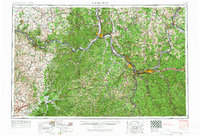 1957 Huntington1966 Print · USGSThe industrial heart of the Ohio River valley is captured here in the mid-sixties, showing the growth of Huntington and Ashland. Researchers can trace the extensive rail networks of the Chesapeake and Ohio RR and locate sites like the Chief Cornstalk Hunting Ground.3 unique versions available
 - 1960 Map of Huntington
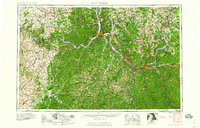 1960 Huntington1960 Print · USGSThe tri-state river valley thrived in the late fifties as a hub of heavy industry and Appalachian rail transit. Genealogists and historians can trace the connection between river towns like Ashland and Portsmouth or locate family homesteads near Coleman Ridge.
 - 1970 Map of Farmers, 1972 Print
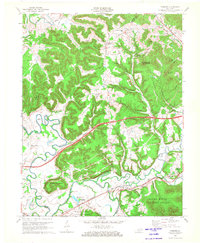 1970 Farmers1972 Print · USGSRowan and Bath counties in the early seventies reveal a landscape of river-bend settlements and deep forest ridges. Genealogists and locals can trace family sites like Eldridge Cem, find the old crossing at Moores Ferry, and follow the Chesapeake and Ohio rail line.2 unique versions available
 - 1975 Map of Salt Lick, 1977 Print
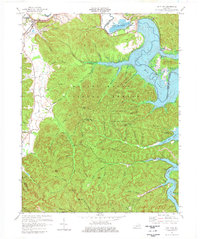 1975 Salt Lick1977 Print · USGSBath and Rowan counties in the mid-seventies reveal a landscape reshaped by the waters of Cave Run Lake and the Licking River. Genealogists and historians can trace the C & O rail corridor and find local sites like Clear Creek Furnace and Upper Salt Lick Ch.
 - 1982 Map of Morehead, 1983 Print
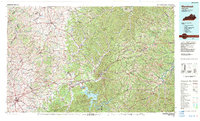 1982 Morehead1983 Print · USGSThe foothills of northeastern Kentucky come alive in the early eighties, showcasing a landscape defined by timber, limestone caves, and major reservoirs. Local researchers can trace the development of Morehead State University or locate old crossings at Plummers Mill and Salt Lick.
 - 2011 Map of Farmers, 2011 Print
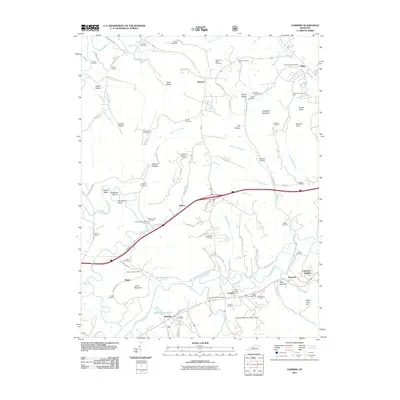 2011 Farmers2011 Print · USGSThe Licking River valley and its surrounding ridges are captured here in the early twenty-first century. Genealogists can trace family history through dozens of local sites like Woodford Black Cemetery, Moores Ferry, and the community of Farmers.
 - 2011 Map of Salt Lick, 2011 Print
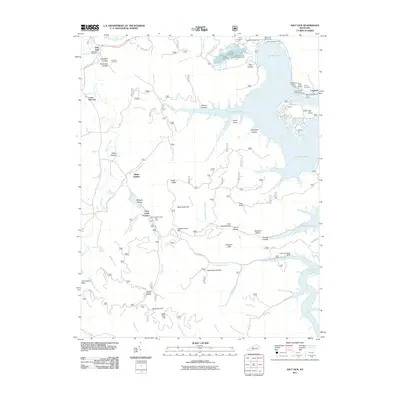 2011 Salt Lick2011 Print · USGSThe Licking River valley and the expansive Cave Run Lake define this part of Kentucky in the early twenty-first century. Researchers can locate numerous family burial grounds like Carey Cemetery and Alfrey Cemetery or visit the historical Clear Creek Furnace.
 - 2013 Map of Salt Lick, 2013 Print
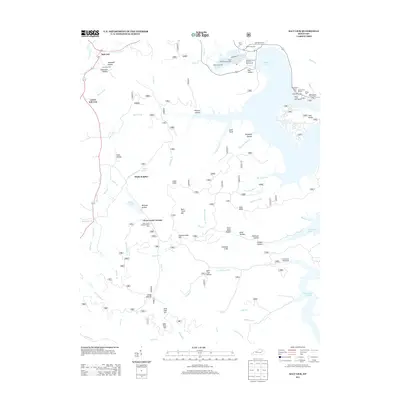 2013 Salt Lick2013 Print · USGSSalt Lick and the Licking River valley are shown here in the early twenty-first century, following the major transformation of the valley by Cave Run Lake. Local historians can trace early industrial sites like Clear Creek Furnace alongside family landmarks such as Dickerson Cem and Young Springs.
 - 2013 Map of Farmers, 2013 Print
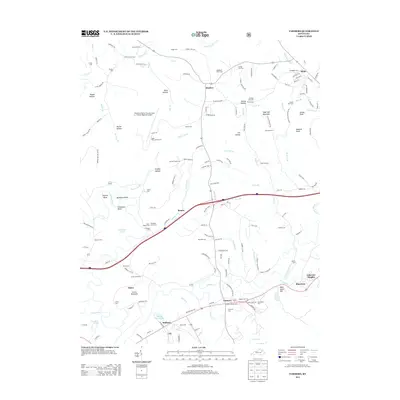 2013 Farmers2013 Print · USGSThe Licking River meanders through Bath and Rowan counties in the early twenty-first century, shaping a landscape of deep bends and fertile valleys. Genealogists can trace decades of local history through numerous sites like Woodford Black Cem, Moores Ferry, and the Ingram-Stevens Cem.
 - 2016 Map of Farmers, 2016 Print
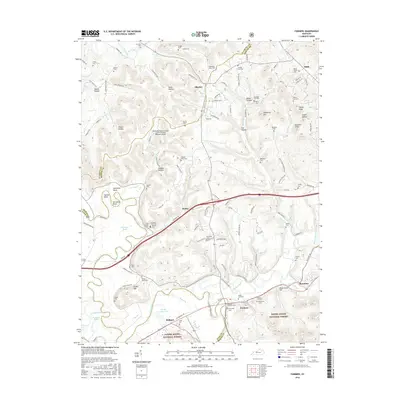 2016 Farmers2016 Print · USGSThe Licking River valley in eastern Kentucky was a landscape of small settlements and river bends in the mid-2010s. Genealogists can locate dozens of family burial sites like Woodford Black Cem, DeWitt Cem, and Mount Pisgah Cem near Farmers and Sharkey.
 - 2016 Map of Salt Lick, 2016 Print
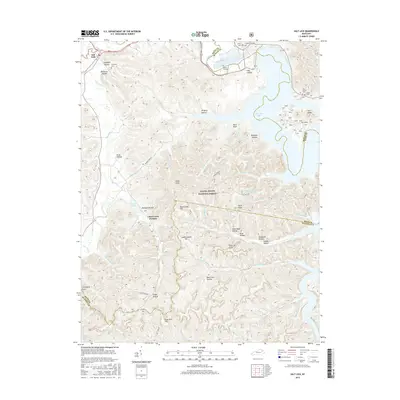 2016 Salt Lick2016 Print · USGSThe Bath County uplands are documented here in 2016, where the forested hills meet the waters of Cave Run Lake. Researchers can locate the historic Clear Creek Furnace and trace family heritage at sites like Alfrey Cem and Dickerson Cem.
 - 2019 Map of Farmers, 2019 Print
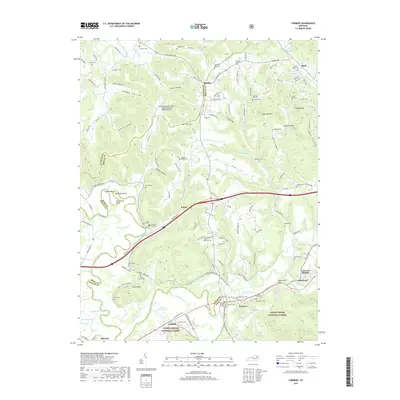 2019 Farmers2019 Print · USGSNortheastern Kentucky’s river valleys and forested knobs come into focus during the late 2010s, centered on the community of Farmers. Genealogists and historians can trace numerous family burial sites, including the Ellington Farm Cemetery and Pence Cemetery, alongside landmarks like Green Mountain.
 - 2019 Map of Salt Lick, 2019 Print
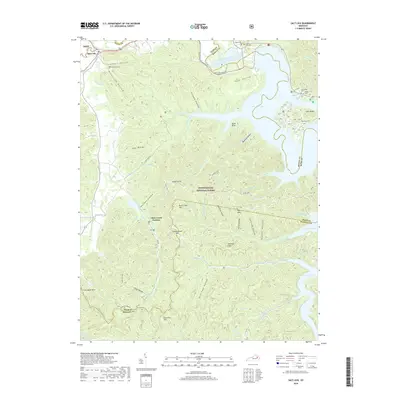 2019 Salt Lick2019 Print · USGSBath County and the Daniel Boone National Forest meet in this recent survey of the ridges surrounding the Licking River. Genealogists and historians can trace family roots at Dickerson Cemetery or locate the historic Clear Creek Furnace near Cedar Cliffs.
 - 2022 Map of Salt Lick, 2022 Print
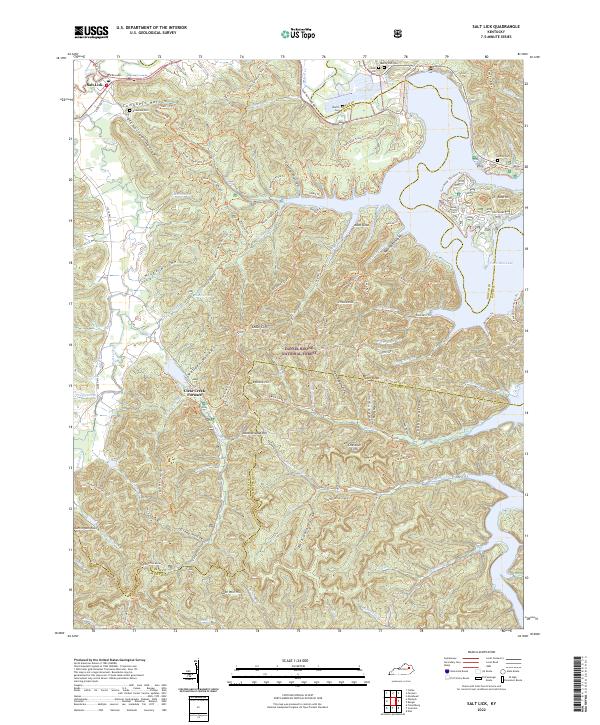 2022 Salt Lick2022 Print · USGSThe foothills of eastern Kentucky are preserved here in the early twenty-first century as the Licking River valley transitions into a forest of ridges and hollows. You can trace family burial grounds at Carey Hill Cem, explore the legacy of Clear Creek Furnace, and follow the long path of the Sheltowee Trace Trl.
 - 2022 Map of Farmers, 2022 Print
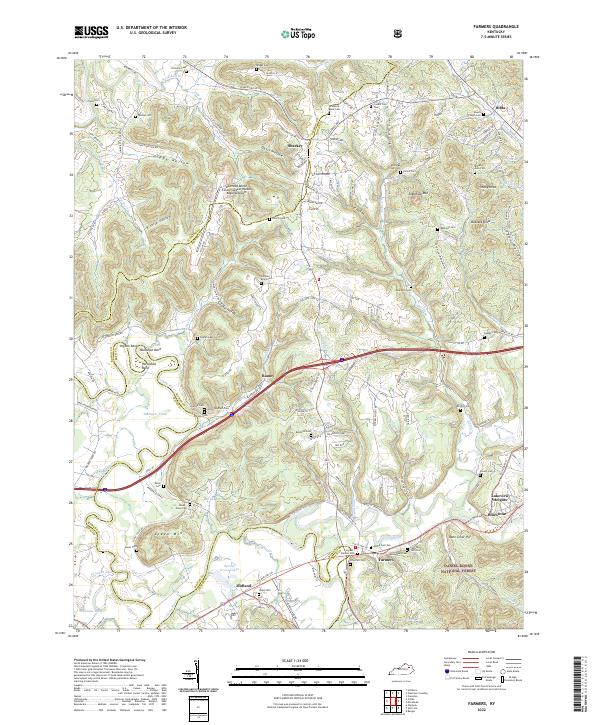 2022 Farmers2022 Print · USGSThe Licking River valley comes into sharp focus during the early twenty-first century, showing the intersection of the Daniel Boone National Forest and local rail corridors. Researchers can trace dozens of family burial sites including the Woodford Black Cem and Ingram-Stevens Cem.
End of results
Showing maps 1-19 of 19
Top cities near Salt Lick
- Morehead historical maps
- Jeffersonville historical maps
- Owingsville historical maps
- Frenchburg historical maps
- Lakeview Heights historical maps
Frequently asked questions
- What are the different types of historical maps available for Salt Lick?
- What is the oldest map of Salt Lick?
- Where can I purchase historical maps of Salt Lick for my home or office?
- Where can I download high-res historical maps of Salt Lick?
- Are there historical topographic maps available for Salt Lick?
- Is there historical aerial imagery available for Salt Lick?
- Where are historical maps of Salt Lick sourced from?