1950s Maps of Meade County, Kentucky
Explore 18 historic maps of Meade County from the 1950s. These maps offer a rare glimpse into what life looked like during the 1950s — showing old roads, neighborhoods, homes, and landmarks that have changed or disappeared over time.
Whether you're researching your family's past, planning a metal detecting trip, or studying how Meade County's landscape evolved across the 1950s, these high-resolution maps are a powerful tool for exploring the history of this region.
- Focus on a specific era: All maps on this page are from the 1950s, giving you a focused view of this time period.
- See what’s changed: Compare century-old streets, trails, and buildings to today's modern landscape using overlays and satellite layers.
- Research with precision: Use these maps for genealogy, historical research, land use analysis, or educational projects.
- View, download, or print: Maps are fully viewable online in high resolution, and can be downloaded or printed for your own records.
Start exploring Meade County's history through authentic maps from the 1950s. This is your window into the past.
Meade County, KY maps
(18)- 1950 Map of Fort Knox
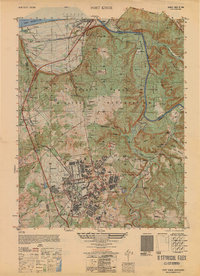 1950 Fort Knox1950 Print · USGSFort Knox and its surroundings in the years following the war show a landscape transformed by military necessity and river valley geography. Researchers can trace the layout of the US Bullion Depository and Godman Field alongside older communities like West Point and Goldville.
 - 1950 Map of Laconia
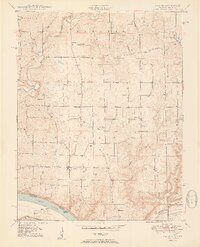 1950 Laconia1950 Print · USGSHarrison County settlement patterns are preserved here in the mid-twentieth century, centered on the riverfront and the rural crossroads of Laconia. Researchers can trace dozens of family cemeteries like Ferree Cem and vanished landmarks like Rehoboth Sch or Tobacco Landing.2 unique versions available
 - 1950 Map of Beechwood, 1952 Print
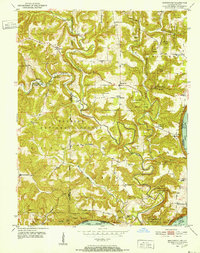 1950 Beechwood1952 Print · USGSThe Indiana-Kentucky borderlands along the Ohio River appear in high detail during the early fifties. Genealogists and hikers can trace remote landmarks like the Buzzard Roost Fire Tower, Old Union Ch, and the Wiseman Cem.3 unique versions available
 - 1950 Map of Leavenworth, 1954 Print
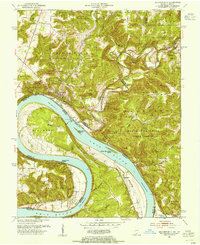 1950 Leavenworth1954 Print · USGSThe Ohio River meanders through Crawford County in the mid-century, showcasing a landscape of dramatic river bends and timbered highlands. Genealogists and local historians can trace family locations near Mt Hope Ch, Peckenpaugh Sch, or the riverside settlement of Leavenworth.3 unique versions available
 - 1950 Map of New Amsterdam, 1954 Print
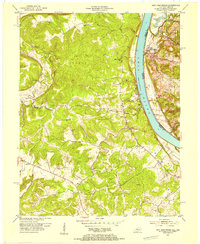 1950 New Amsterdam1954 Print · USGSThe Ohio River frontier in the early fifties reveals a landscape of isolated ridges and riverside hamlets. Genealogists can trace family footprints at Ball Knob Cem or locate former schoolhouses like Mint Springs Sch and Liberty Sch.2 unique versions available
 - 1950 Map of Mauckport, 1954 Print
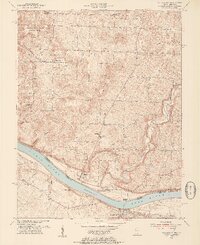 1950 Mauckport1954 Print · USGSAlong the Indiana-Kentucky border at the start of the fifties, the Ohio River connects bustling towns and quiet forest ridges. Researchers can trace historic river access at Morvin Landing, visit family sites like Atwell Cem, or locate landmarks such as Wesley Chapel and the Oak Grove Sch.3 unique versions available
 - 1950 Map of Corydon, 1959 Print
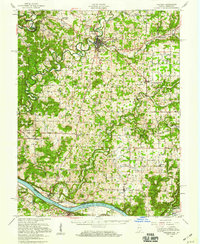 1950 Corydon1959 Print · USGSSouthern Indiana and northern Kentucky are captured here in the mid-fifties, centered on the historic town of Corydon and the banks of the Ohio River. Researchers can trace rural life through sites like Sky Park Airport, St Peters Ch, and the river crossing at Mauckport.
 - 1950 Map of Alton, 1959 Print
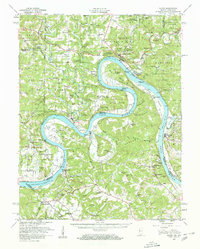 1950 Alton1959 Print · USGSThe Ohio River loops through the Indiana and Kentucky borderlands at mid-century, following the deep curves of Big Bend and Oxbow Bend. Genealogists and local historians can trace family roots through numerous rural landmarks like St Theresa Academy, Beechland Sch, and the historic town of Leavenworth.2 unique versions available
 - 1950 Map of Alton, 1962 Print
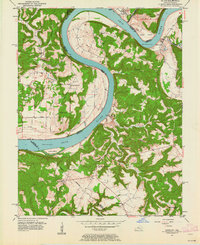 1950 Alton1962 Print · USGSThe Ohio River borderlands between Indiana and Kentucky are captured here in the early fifties, showing a landscape defined by ferries and small river landings. Researchers can trace family roots at St Theresa Academy, the Boyer Ferry, and the remote Stephenson Cem.
 - 1951 Map of Alton
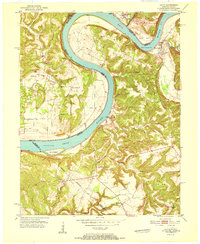 1951 Alton1951 Print · USGSThe Indiana and Kentucky borderlands meet along the winding Ohio River in the early fifties. Genealogists can trace family names and rural institutions at St Theresa Academy, the Boyer Ferry, and Stony Point Sch.2 unique versions available
 - 1953 Map of Irvington, 1954 Print
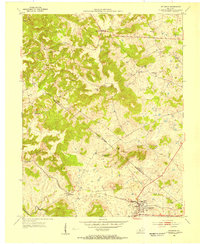 1953 Irvington1954 Print · USGSIrvington and the borderlands of Meade and Breckinridge counties are shown here in the early fifties, centered on the Louisville and Nashville line. Researchers can locate country schools like Bunker Hill Sch and family burial sites including Mt Merino Cem.
 - 1953 Map of Lodiburg, 1954 Print
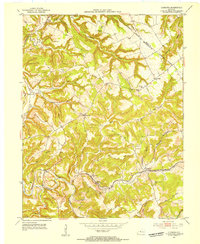 1953 Lodiburg1954 Print · USGSBreckinridge County during the early fifties reveals a rural landscape of ridge-top schools and creek-side rail stops. Genealogists can trace family landmarks like Shelman Cem, Frymire Sch, and the small community at Union Star.3 unique versions available
 - 1954 Map of Evansville
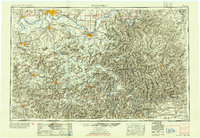 1954 Evansville1954 Print · USGSThe Ohio River borderlands between Indiana and Kentucky appear here during a period of robust industrial and military growth. Genealogists and researchers can trace the rail corridors of the Illinois Central and find landmarks like US Lock and Dam No 48 or Camp Breckinridge.
 - 1956 Map of Vincennes, 1967 Print
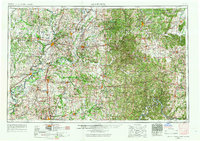 1956 Vincennes1967 Print · USGSSouthern Indiana and the Illinois borderlands are captured here in the mid-fifties, showing the region's dense network of river towns and rail lines. Researchers can trace historic river crossings along the Wabash River or locate landmarks like Wyandotte Cave and Lincoln State Park.4 unique versions available
 - 1957 Map of Vincennes
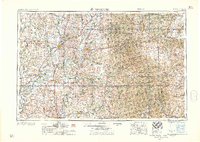 1957 Vincennes1957 Print · USGSSouthwest Indiana and the Illinois borderlands come alive in the late 1950s, a period of heavy rail traffic and expanding state forests. Genealogists and historians can trace the riverfronts and rail lines of Vincennes, New Harmony, and the vast Crane Naval Ammunition Depot.
 - 1957 Map of Winchester, 1968 Print
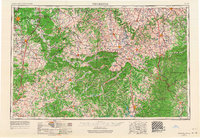 1957 Winchester1968 Print · USGSCentral Kentucky's landscape in the mid-twentieth century features the sprawling Fort Knox and the early parkway system. Genealogists and historians can trace rail lines like the Southern Railway and find landmarks from Bernheim Forest to Pilot Knob.3 unique versions available
 - 1957 Map of Evansville, 1969 Print
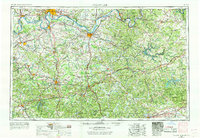 1957 Evansville1969 Print · USGSIndiana and Kentucky meet along the Ohio River in this mid-century survey of a vital industrial and transport corridor. Genealogists and historians can trace the development of river towns like Owensboro and Newburgh or locate old rail lines like the Southern Ry.3 unique versions available
 - 1958 Map of Vincennes
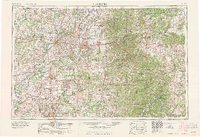 1958 Vincennes1958 Print · USGSSouthern Indiana and the Illinois borderlands are captured during a mid-century period of heavy rail traffic and military activity. Researchers can trace the sprawling bounds of the Crane Naval Ammunition Depot or locate historic settlements like New Harmony and French Lick.2 unique versions available
End of results
Showing maps 1-18 of 18
Top cities of Meade County
Frequently asked questions
- What are the different types of historical maps available for Meade County?
- What is the oldest map of Meade County?
- Where can I purchase historical maps of Meade County for my home or office?
- Where can I download high-res historical maps of Meade County?
- Are there historical topographic maps available for Meade County?
- Is there historical aerial imagery available for Meade County?
- Where are historical maps of Meade County sourced from?