Old Maps of Zachary, Louisiana for Hiking & Exploration
Hike through history with 31 historic maps of Zachary. Explore old trails, ghost towns, and forgotten backroads — perfect for outdoor adventurers and local explorers.
- Rediscover forgotten places: Map out old mining camps, roads, and footpaths that no longer exist on modern maps.
- Layer with modern tools: Combine with LiDAR or satellite views to plan hikes through historical terrain.
- Made for exploration: Popular among hikers, overlanders, and local history lovers.
Use these maps to find adventure and explore the hidden past of Zachary.
Zachary, LA maps
(31)- 1906 Map of Bayou Sara
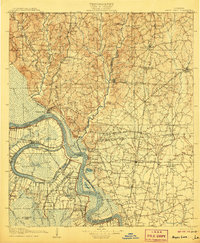 1906 Bayou Sara1906 Print · USGSThe Feliciana parishes and the Mississippi River bottomlands come to life in this early twentieth-century survey. Genealogists can trace family footprints through river-town settlements like St Francisville or find early rail stops such as Gayden Sta (Gurley P.O.) and Slaughter.3 unique versions available
 - 1939 Map of Zachary, 1941 Print
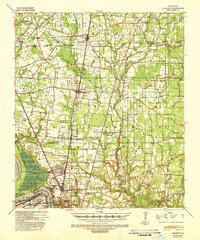 1939 Zachary1941 Print · USGSEast Baton Rouge and East Feliciana parishes are documented here in the late 1930s, showing the vital rail-and-river economy before modern suburbanization. Genealogists can trace early landmarks like Leland College, Goodhope Ch, and the many cemeteries along White Bayou.2 unique versions available
 - 1954 Map of Zachary, 1955 Print
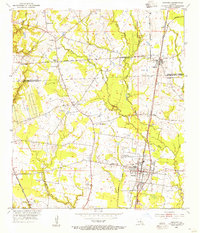 1954 Zachary1955 Print · USGSThe parishes of East Feliciana and East Baton Rouge are captured here in the mid-fifties, centered on the growing rail corridor between Zachary and Slaughter. Local historians can trace family-named sites like McHugh Cem, Shaffer Cem, and the McKowen Sch.
 - 1954 Map of Fred, 1955 Print
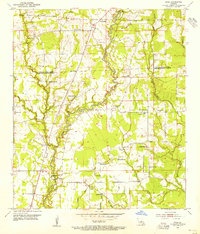 1954 Fred1955 Print · USGSEast Baton Rouge and East Feliciana Parishes are shown in the mid-fifties, dominated by the winding course of the Comite River. Researchers can trace rural life through numerous landmarks like the Eastern Star Sch, Deerford settlement, and Mose Chapel.
 - 1954 Map of Scotlandville, 1955 Print
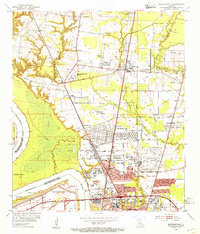 1954 Scotlandville1955 Print · USGSNorth of Baton Rouge in the mid-fifties, the Mississippi River bluffs supported a mix of academic institutions and river-dependent industry. Genealogists and historians can trace the campuses of Southern University and Leland College, as well as Free Negro Point and Nickwack Cem.
 - 1954 Map of Baton Rouge, 1974 Print
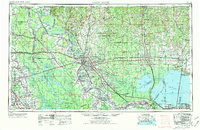 1954 Baton Rouge1974 Print · USGSSoutheast Louisiana in the mid-fifties is captured here during a period of transition for its river and rail economies. Researchers can trace the path of the Mississippi River and find landmarks like the Bonnet Carre Spillway and Bayou Plaquemine.2 unique versions available
 - 1956 Map of Baton Rouge
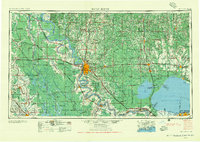 1956 Baton Rouge1956 Print · USGSSouth Louisiana at the height of the mid-century oil boom shows a landscape of river oxbows and rising industry. Researchers can trace family roots through river towns like Scotlandville or locate early industrial sites and Oil wells near Lake Maurepas.
 - 1961 Map of Baton Rouge, 1966 Print
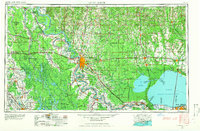 1961 Baton Rouge1966 Print · USGSSoutheastern Louisiana in the early sixties remains a landscape of deep river bends and sprawling coastal lakes. Genealogists and historians can trace the rail-and-river economy through landmarks like Free-Nigger Point, Donaldsonville, and the Illinois Central Railroad.
 - 1962 Map of Baton Rouge
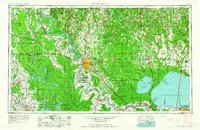 1962 Baton Rouge1962 Print · USGSSouth Louisiana in the early sixties reveals a landscape of river-bend parishes and emerging interstate corridors. Genealogists and historians can trace family roots through historic river towns like Donaldsonville and Plaquemine, or follow the path of the Illinois Central Railroad through the swamp basins.
 - 1963 Map of Scotlandville, 1964 Print
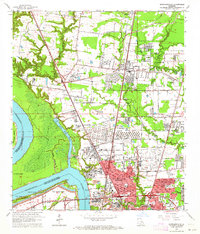 1963 Scotlandville1964 Print · USGSThe northern reaches of Baton Rouge during the early sixties show a landscape balancing institutional growth with the industrial riverfront. Researchers can trace the footprints of Southern University, Leland College, and local landmarks like Free Negro Point.5 unique versions available
 - 1963 Map of Fred, 1964 Print
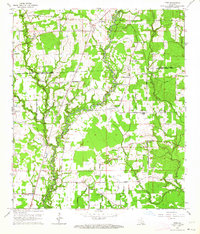 1963 Fred1964 Print · USGSLouisiana's upland parish country comes alive in this early 1960s survey of the wooded drainages north of Baton Rouge. Genealogists can trace family names and rural congregations at Strangers Home Ch, Black Cem, and the crossroads of Milldale.3 unique versions available
 - 1963 Map of Zachary, 1964 Print
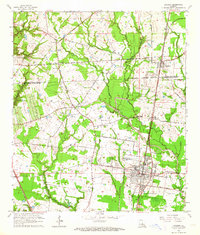 1963 Zachary1964 Print · USGSEast Baton Rouge and East Feliciana parishes are captured here in the early sixties as rural life meets new industrial growth. Genealogists and local historians can trace family locations through Stanford Cem, Ebenezer Ch, and the streets of Zachary.4 unique versions available
 - 1963 Map of Zachary, 1967 Print
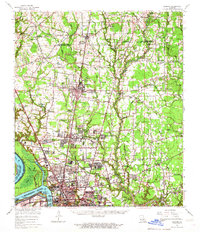 1963 Zachary1967 Print · USGSThe northern corridor of East Baton Rouge Parish shows a blend of river industry and growing suburban centers in the early sixties. Genealogists can locate dozens of church-linked burial sites like Azalea Rest Cem and schools such as Leland College or Southern University.2 unique versions available
 - 1983 Map of New Roads
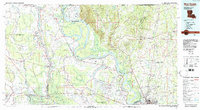 1983 New Roads1983 Print · USGSThe river parishes of central Louisiana are documented in the early 1980s, showcasing the winding courses of the Atchafalaya and Mississippi. Genealogists and historians can trace rail-served river towns like Melville and Simmesport, or locate the Port Hudson National Cem and the State Penitentiary.2 unique versions available
 - 1995 Map of Scotlandville, 1998 Print
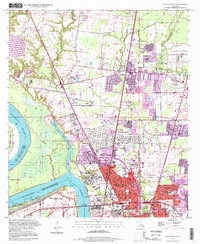 1995 Scotlandville1998 Print · USGSEast Baton Rouge Parish is seen in the mid-nineties as the industrial and academic corridor north of the city continued to expand. Researchers can locate the historic campus of Southern University, the State Industrial School for Boys, and family sites at Banks Cem.
 - 1998 Map of Fred, 2002 Print
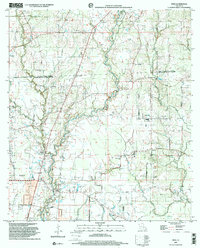 1998 Fred2002 Print · USGSEast Baton Rouge and East Feliciana Parishes are captured here in the late 1990s as the rural landscape preserved its dense network of family-named landmarks. Researchers can trace local heritage through Little Ezion Ch, Overton Cem, and the small community at Milldale.
 - 2012 Map of Fred, 2012 Print
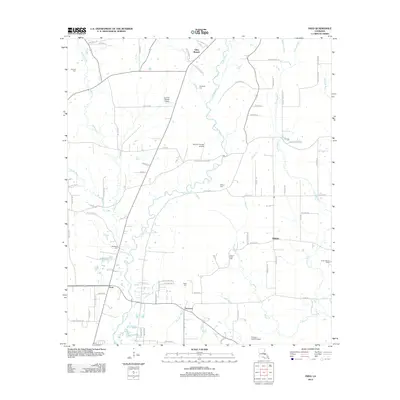 2012 Fred2012 Print · USGSEast Baton Rouge Parish in the early twenty-first century reveals a landscape defined by its creek-fed bottomlands and rural crossroads. Researchers can trace family history through numerous burial sites like Mount Holly Cem or locate settlements at Deerford and Milldale.
 - 2012 Map of Zachary, 2012 Print
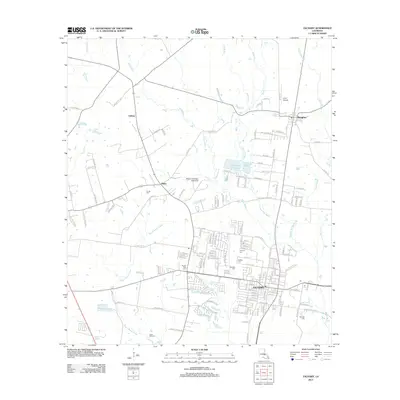 2012 Zachary2012 Print · USGSZachary and its neighboring communities are shown here during a period of significant growth in East Baton Rouge Parish. Genealogists and historians can trace local family roots through sites like Young Cem, Azalea Rest Cem, and the industry of the Alsen Oil Field.
 - 2012 Map of Scotlandville, 2012 Print
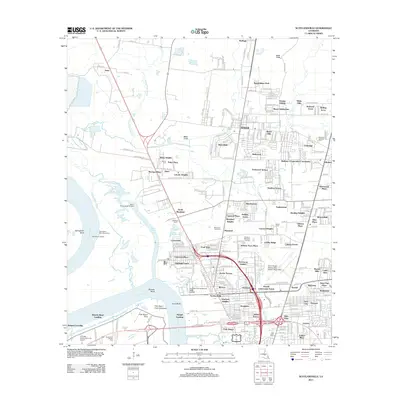 2012 Scotlandville2012 Print · USGSBaton Rouge and its northern suburbs are shown in detail during the early 21st century, as industry and education anchor the riverfront. Trace the grounds of Southern University and A&M College and locate historical sites like Nickwack Cem and Mulatto Bend.
 - 2015 Map of Scotlandville, 2015 Print
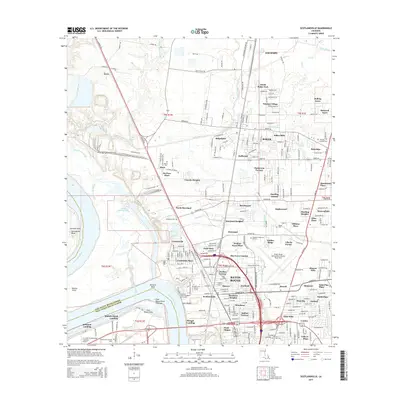 2015 Scotlandville2015 Print · USGSBaton Rouge and its northern suburbs are captured here during a period of significant municipal and industrial development. Researchers can trace family-named sites like McClure Place and Gibbens Place alongside landmarks like Southern University.
 - 2015 Map of Zachary, 2015 Print
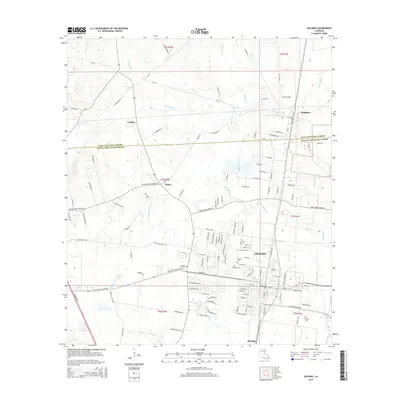 2015 Zachary2015 Print · USGSZachary and the surrounding parish lands are shown here in the mid-2010s as suburban growth expanded across the historic Bayou landscape. Researchers can trace local heritage through several burial sites like Young Cem and Stanford Cem or locate the rural corners of Lindsay and Plains.
 - 2015 Map of Fred, 2015 Print
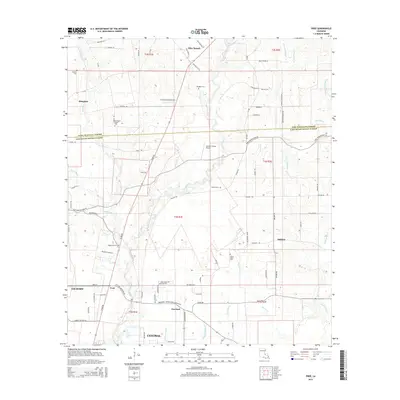 2015 Fred2015 Print · USGSThe outskirts of Baton Rouge meet rural Louisiana parishes in the mid-2010s. Genealogists and local historians can trace family locations through numerous rural burial grounds like Mount Holly Cem and Strangers Home Cem or find the small settlements of Milldale and Fred.
 - 2018 Map of Scotlandville, 2018 Print
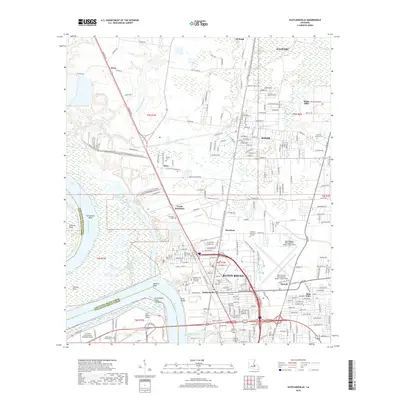 2018 Scotlandville2018 Print · USGSBaton Rouge and its northern neighbors are seen here in the late 2010s as they spread toward the Mississippi. Researchers can locate local landmarks like Southern University, Devall Cem, and the Free Negro Point Crevasse.
 - 2018 Map of Fred, 2018 Print
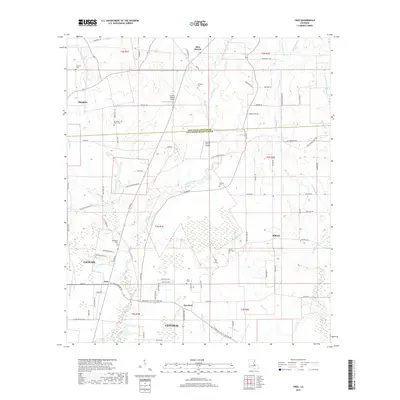 2018 Fred2018 Print · USGSThe East Baton Rouge Parish borderlands appear in detail during this era of rural development and family-owned acreage. Researchers can locate numerous local burial sites like Strangers Home Cem and trace the paths of Plank Rd through Deerford and Slaughter.
 - 2018 Map of Zachary, 2018 Print
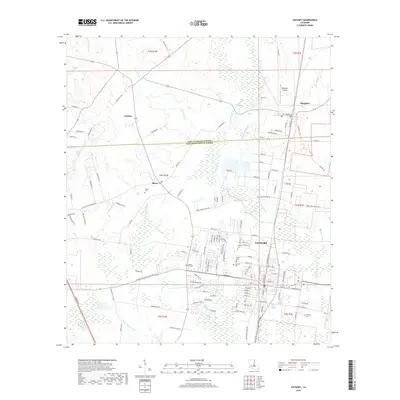 2018 Zachary2018 Print · USGSThe growing town of Zachary and the surrounding parish borders are captured here in the late 2010s. Researchers can locate numerous family-named burial sites like Young Cem and McHugh Cem or trace the routes of White Bayou and Black Cr.
Showing maps 1-25 of 31
Top cities near Zachary
- Baton Rouge historical maps
- St. George historical maps
- Central historical maps
- Baker historical maps
- Denham Springs historical maps
- Port Allen historical maps
See more
Top neighborhoods of Zachary
Frequently asked questions
- What are the different types of historical maps available for Zachary?
- What is the oldest map of Zachary?
- Where can I purchase historical maps of Zachary for my home or office?
- Where can I download high-res historical maps of Zachary?
- Are there historical topographic maps available for Zachary?
- Is there historical aerial imagery available for Zachary?
- Where are historical maps of Zachary sourced from?