1950s Maps of Terrebonne Parish, Louisiana
Explore 18 historic maps of Terrebonne Parish from the 1950s. These maps offer a rare glimpse into what life looked like during the 1950s — showing old roads, neighborhoods, homes, and landmarks that have changed or disappeared over time.
Whether you're researching your family's past, planning a metal detecting trip, or studying how Terrebonne Parish's landscape evolved across the 1950s, these high-resolution maps are a powerful tool for exploring the history of this region.
- Focus on a specific era: All maps on this page are from the 1950s, giving you a focused view of this time period.
- See what’s changed: Compare century-old streets, trails, and buildings to today's modern landscape using overlays and satellite layers.
- Research with precision: Use these maps for genealogy, historical research, land use analysis, or educational projects.
- View, download, or print: Maps are fully viewable online in high resolution, and can be downloaded or printed for your own records.
Start exploring Terrebonne Parish's history through authentic maps from the 1950s. This is your window into the past.
Terrebonne Parish, LA maps
(18)- 1950 Map of Derniere
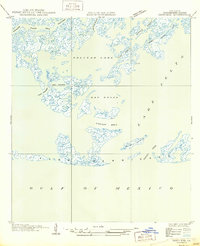 1950 Derniere1950 Print · USGSThe Terrebonne Parish coast and barrier islands are captured at mid-century before significant land loss altered the shoreline. Researchers can trace the early footprints of coastal settlements like Villette and Pelican or the original reach of Whisky Island.
 - 1953 Map of Western Isles Dernieres, 1959 Print
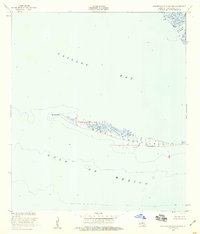 1953 Western Isles Dernieres1959 Print · USGSThe Louisiana Gulf Coast is captured here in the early 1950s, showing the barrier islands before significant coastal erosion. Trace the shifting sands of Isles Dernieres, from Raccoon Point to tidal passes like Coupe Colin.4 unique versions available
 - 1953 Map of Central Isles Dernieres, 1959 Print
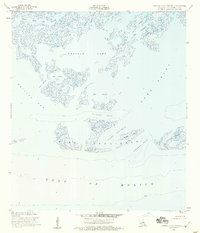 1953 Central Isles Dernieres1959 Print · USGSThe Louisiana coast in the early fifties reveals a shifting world of barrier islands and tidal passes before the onset of modern land loss. Maritime researchers can trace the intricate shorelines of Whiskey Island and Isles Dernieres or locate early industrial markers like an offshore Oil Well.4 unique versions available
 - 1953 Map of Dog Lake, 1959 Print
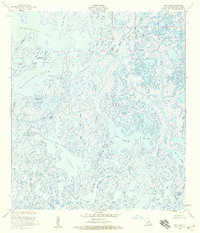 1953 Dog Lake1959 Print · USGSCoastal Terrebonne Parish in the early 1950s is a intricate world of marsh and industry, where water defines every boundary. Researchers can trace the development of the Four Isle Bay Oil and Gas Field and the winding reaches of Grand Caillou Bayou and Hackberry Lake.5 unique versions available
 - 1953 Map of Grand Bayou Du Large, 1959 Print
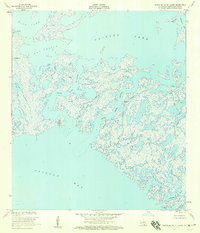 1953 Grand Bayou Du Large1959 Print · USGSThe coastal marsh of Terrebonne Parish is captured in the early 1950s, showing a landscape defined by tidal lakes and winding bayous. Trace historical water routes through Grand Bayou Du Large, Caillou Lake, and the landmark at St Martin.3 unique versions available
 - 1953 Map of Eastern Isles Dernieres, 1959 Print
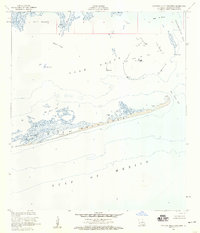 1953 Eastern Isles Dernieres1959 Print · USGSThe Louisiana coastline in the early fifties shows a barrier island system at the onset of industrial expansion. Trace the shifting sands of Isles Dernieres and the infrastructure of the Lake Pelto Oil Field or the waters of Trinity Bayou.4 unique versions available
 - 1953 Map of Jacko Bay, 1959 Print
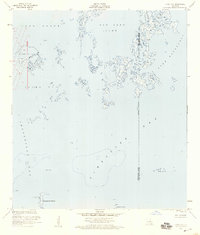 1953 Jacko Bay1959 Print · USGSCoastal Louisiana at the height of the mid-century oil boom reveals a landscape of shifting tides and rising industry. Researchers can trace the early footprint of the Lake Barre Oil Field or locate family-named landmarks like Cat Island and Terrebonne Island.3 unique versions available
 - 1953 Map of Cat Island Pass, 1959 Print
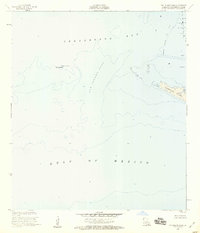 1953 Cat Island Pass1959 Print · USGSTerrebonne Parish’s marshy coastline and oil industry come into focus during the early fifties. Researchers can trace early offshore energy footprints like the Caillou Island Oil Field and maritime aids including Marker No 1 near Timbalier Island.4 unique versions available
 - 1953 Map of Timbalier Island, 1959 Print
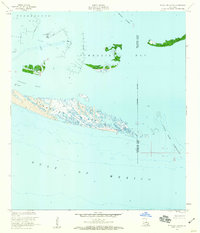 1953 Timbalier Island1959 Print · USGSThe Louisiana coast in the early fifties shows the intersection of barrier island geography and the emerging energy industry. You can trace early industrial infrastructure across Caillou Island, identifying the Caillou Island Oil Field and scattered Oil Tanks among the tides.4 unique versions available
 - 1954 Map of Morgan City
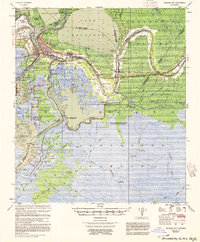 1954 Morgan City1954 Print · USGSCoastal Louisiana in the mid-fifties shows a dynamic intersection of rail, road, and river traffic centered on the deep waters of Berwick Bay. Researchers can trace old family sites at Fairview Plantation, locate the Bayou L'Ourse Sch., or study the era's energy growth at the Bateman Lake Oil Field.
 - 1954 Map of Belle Isle
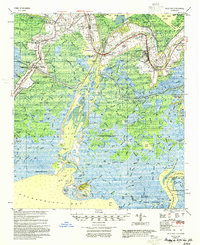 1954 Belle Isle1954 Print · USGSThe Louisiana bayou country of St. Mary Parish is captured in the mid-1950s, showing a landscape defined by plantation history and new industrial growth. Genealogists can locate family landmarks like Waveland Plantation, Jerusalem Church, and the North Bend Cemetery.
 - 1954 Map of Lake Felicity
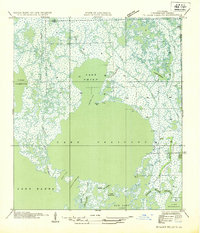 1954 Lake Felicity1954 Print · USGSCoastal Terrebonne Parish in the mid-1950s is an intricate puzzle of marshes and tidal basins. Genealogists and historians can trace the traditional waterways of the delta, including Bayou Jean Lacroix, Lake Chien, and Lake Trois Jeans.
 - 1955 Map of Thibodaux
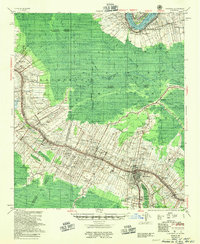 1955 Thibodaux1955 Print · USGSCoastal Louisiana in the mid-fifties is defined by the winding Bayou Lafourche and the massive Mississippi River. Genealogists and historians can trace numerous family-named sites and plantation tracts, including Laurel Valley Plantation, the New Belmont Ch, Sch & Cem, and the river landing at Moonshine.
 - 1956 Map of Lake La Graisse, 1959 Print
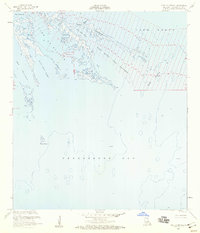 1956 Lake La Graisse1959 Print · USGSCoastal Terrebonne Parish in the late fifties reveals a dynamic landscape of salt marshes and tidal lakes before significant land loss. Trace the early offshore industry and maritime routes through Lake La Graisse, Seabreeze Pass, and Point Meshe.3 unique versions available
 - 1957 Map of Lake Decade
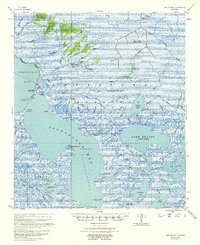 1957 Lake Decade1957 Print · USGSCoastal Louisiana marshes in the late fifties reveal an intricate network of tidewater bayous and emerging energy infrastructure. Researchers can trace the early footprints of the Deer Island Gas Field and locate remote maritime features like the Shrimp Platform and Mosquito Point Lt.2 unique versions available
 - 1957 Map of Oyster Bayou
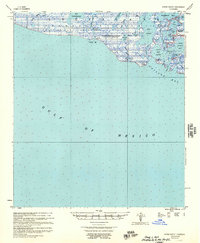 1957 Oyster Bayou1957 Print · USGSThe coastal marshes of Terrebonne Parish are captured here during the mid-fifties, showing the vital intersection of the seafood and petroleum industries. Local history researchers can locate the Bay Junop Oil Field, numerous shrimp platforms, and the Oyster Bayou LH.
 - 1957 Map of Point Au Fer
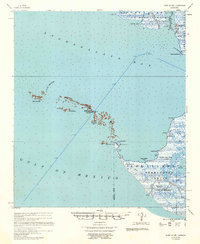 1957 Point Au Fer1957 Print · USGSThe coastal marshes of South Louisiana are captured here during the mid-fifties as the oil industry began to mark the landscape. Researchers can trace the development of the Point au Fer Oil Field or locate coastal landmarks like Pelican Battery and Two Oaks.
 - 1957 Map of Cocodrie, 1959 Print
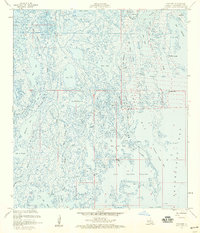 1957 Cocodrie1959 Print · USGSCoastal Louisiana in the mid-fifties reveals an intricate network of marshes and industrial development. Trace the early petroleum footprint across Bay Sainte Elaine through the GAS FIELD, Coon Road, and family-named waterways like Austrian Bayou.3 unique versions available
End of results
Showing maps 1-18 of 18
Top cities of Terrebonne Parish
Frequently asked questions
- What are the different types of historical maps available for Terrebonne Parish?
- What is the oldest map of Terrebonne Parish?
- Where can I purchase historical maps of Terrebonne Parish for my home or office?
- Where can I download high-res historical maps of Terrebonne Parish?
- Are there historical topographic maps available for Terrebonne Parish?
- Is there historical aerial imagery available for Terrebonne Parish?
- Where are historical maps of Terrebonne Parish sourced from?