Old Maps of Cumberland County, Maine for Genealogy
Trace your family roots with 316 historic maps of Cumberland County. These high-res maps reveal old neighborhoods, homesites, landmarks, and streets — helping you uncover where your ancestors lived and how the area evolved over time.
- Explore historic neighborhoods: Identify where your relatives may have lived in the 1800s or 1900s.
- Compare maps over time: Trace the changes in streets, buildings, and landmarks for multi-generational research.
- Perfect for genealogy & ancestry research: Used by family historians and researchers to map out lineage and migration.
These maps are an incredible resource for exploring your personal connection to Cumberland County's past.
Cumberland County, ME maps
(316)- 1891 Map of Portland
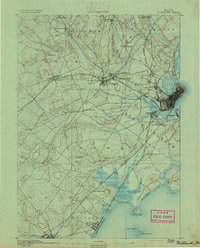 1891 Portland1891 Print · USGSCoastal Maine at the height of its rail-and-milling era shows the rapid development of the Portland suburbs and industrial waterfront. Genealogists can trace early homesteads and rail stops like Cape Elizabeth Depot, Saccarappa, and Prout's Neck.
 - 1891 Map of Biddeford
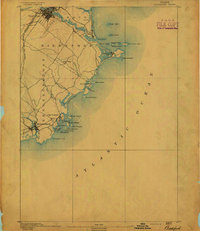 1891 Biddeford1891 Print · USGSCoastal Maine in the 1890s is defined by the vital rail corridors and working harbors of York County. Researchers can trace the early industrial development of Biddeford, locate family landmarks near Oak Ridge, and explore the maritime layout of Kennebunkport and its lighthouses.
 - 1891 Map of Buxton
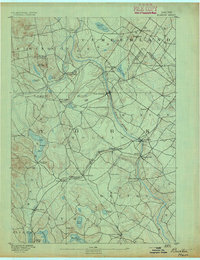 1891 Buxton1891 Print · USGSThe Saco River valley at the end of the nineteenth century is captured here in detail, showcasing a network of mill villages and early rail lines. Researchers can trace the path of the Portland and Rochester Railroad and locate historic sites like Shaker Village, Salmon Falls, and Nasons Mills.
 - 1892 Map of Freeport
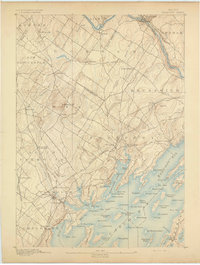 1892 Freeport1892 Print · USGSCumberland County coastal life in the 1890s centered on the busy intersections of rail and tide. Genealogists and historians can trace the old shipping hubs at Mast Landing, the many islands of Casco Bay, and the rail corridors at Yarmouth Junction.9 unique versions available
 - 1892 Map of Buxton, 1913 Print
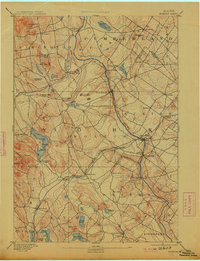 1892 Buxton1913 Print · USGSSouthern Maine's mill towns and river valleys are captured here in the late nineteenth century as the industrial economy thrived along the Saco River. Genealogists and historians can trace the early layouts of Shaker Village, Nasons Mills, and Salmon Falls before modern development changed these rural landscapes.4 unique versions available
 - 1893 Map of Biddeford
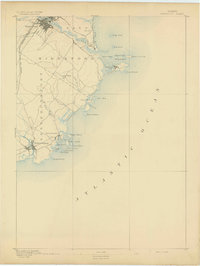 1893 Biddeford1893 Print · USGSCoastal Maine during the late Victorian era is captured here at the height of its rail-and-sea economy. Genealogists and local historians can trace the early footprints of Biddeford, the busy docks of Cape Porpoise, and maritime landmarks like Wood Island Light.7 unique versions available
 - 1893 Map of Small Point
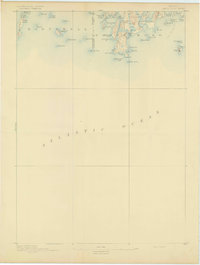 1893 Small Point1893 Print · USGSCoastal Maine in the late nineteenth century is charted here with precision, showing the dangerous ledges and vital harbors of the Casco Bay region. Maritime researchers can locate Seguin Light, Pond Id. Light, and family-named landmarks like Wallace Head.5 unique versions available
 - 1893 Map of Portland
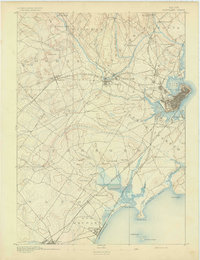 1893 Portland1893 Print · USGSCumberland County at the close of the nineteenth century centers on the bustling rail hub of Portland and its surrounding mill towns. Researchers can trace the Victorian-era development of Saccarappa, the seaside sprawl of Old Orchard, and the river industry at Cumberland Mills.6 unique versions available
 - 1893 Map of Casco Bay
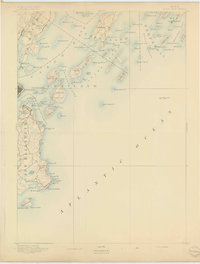 1893 Casco Bay1893 Print · USGSCasco Bay at the close of the nineteenth century reveals a landscape defined by maritime defense and seafaring life. Genealogists and maritime historians can trace coastal landmarks like Portland Head Light, Fort Preble, and the old settlement at Bowery Beach.5 unique versions available
 - 1893 Map of Buxton
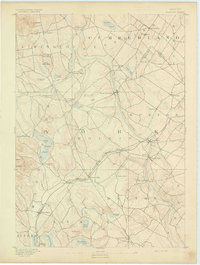 1893 Buxton1893 Print · USGSThe York County interior flourished in the late nineteenth century as a hub of river-powered industry and rail transport. Genealogists and historians can trace family-named sites and vanished mill hamlets like Shaker Village, Nasons Mills, and Salmon Falls.3 unique versions available
 - 1894 Map of Gray
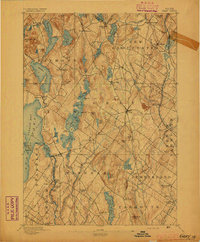 1894 Gray1894 Print · USGSMaine's Sebago Lake region at the close of the nineteenth century shows a network of mill towns and early rail lines. Trace family roots and vanished landmarks through New Gloucester, Sabbathday Lake, and the depots along the Maine Central R. R.
 - 1894 Map of Bath
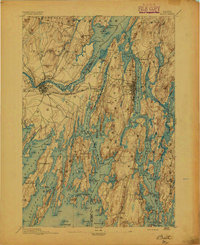 1894 Bath1894 Print · USGSCoastal Maine at the height of the maritime era is captured in this survey of the river-linked communities of Bath and Brunswick. Genealogists and historians can trace the foundations of local shipping and rail at Winnegance, Parker Head, and along the M. C. R. R. lines.9 unique versions available
 - 1896 Map of Norway
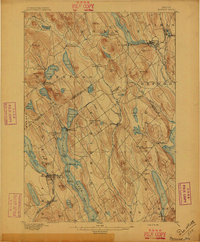 1896 Norway1896 Print · USGSOxford County in the late nineteenth century was a land of timber and steam, where the Grand Trunk met busy lakeside landings. Trace old transport routes between Norway, the mills at Bolsters Mills, and the Steamer Landing on Long Lake.8 unique versions available
 - 1896 Map of Sebago
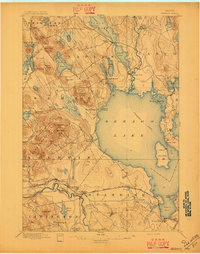 1896 Sebago1896 Print · USGSCumberland County’s lake country thrived on a network of water and rail transport at the end of the Victorian era. Researchers can trace the Steamboat Route through Sebago Lake and locate old industrial sites like Songo Lock, Cooks Mills, and Steep Falls.8 unique versions available
 - 1898 Map of Gray
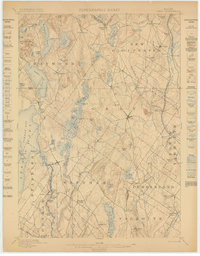 1898 Gray1898 Print · USGSIn the 1890s, this area of southern Maine was a landscape of evolving rail connections and traditional mill towns. Genealogists can trace family roots through settlements like New Gloucester and Cumberland Center, or locate early landmarks such as Webbs Mills and Sabbathday Lake.7 unique versions available
 - 1908 Map of Poland
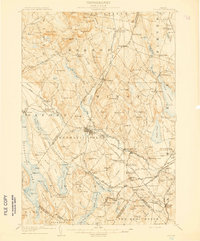 1908 Poland1908 Print · USGSAndroscoggin County was a thriving hub of rail transport and lakeside resorts in the early nineteen-hundreds. Here you can trace the historic Grand Trunk Railway corridor through Mechanic Falls and locate the famous Poland Spring resort grounds.5 unique versions available
 - 1909 Map of Fryeburg, 1960 Print
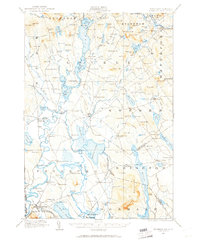 1909 Fryeburg1960 Print · USGSOxford County and the borderlands of Maine and New Hampshire were defined by the shifting waters of the Saco and the Kezar at the century's turn. Genealogists can trace family homesteads near the Battle Monument or locate rural schoolhouses like Foxboro School and Menotomy School.3 unique versions available
 - 1910 Map of Kezar Falls
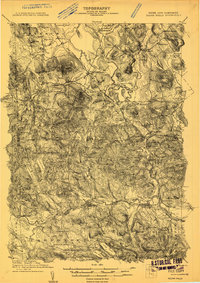 1910 Kezar Falls1910 Print · USGSMaine and New Hampshire borderlands are captured here at the height of the railroad era, as the Maine Central linked river towns. Genealogists can trace family footprints through sites like the Parsonsfield Seminary, Merrill Corner, and the Haley School.5 unique versions available
 - 1911 Map of Fryeburg
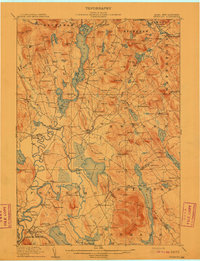 1911 Fryeburg1911 Print · USGSOxford County at the start of the century shows a landscape of lake-fed valleys and the bustling rail corridor of the Maine Central RR. Genealogists and historians can trace old school districts like Foxboro School, local landmarks like the Battle Monument, and early settlements at Slab City and Lynchville.6 unique versions available
 - 1911 Map of Kezar Falls
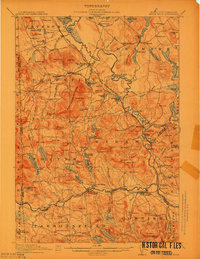 1911 Kezar Falls1911 Print · USGSThe Saco River valley at the turn of the century shows a landscape defined by riverside industry and mountain schools. Genealogists and historians can trace rail depots like Bridgton Junction and early landmarks such as Parsonsfield Seminary and Rankins Mill.5 unique versions available
 - 1914 Map of Portland
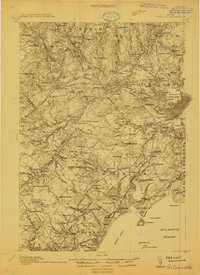 1914 Portland1914 Print · USGSCoastal Maine at the start of the twentieth century shows a landscape tied together by industrial rivers and an expanding network of electric railroads. Genealogists can locate family names at Hillside Cemetery or trace old rural schoolhouses like the Babb School and Beech Ridge School.
 - 1914 Map of Casco Bay
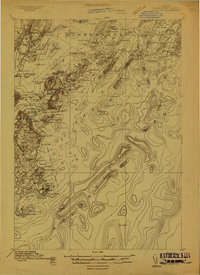 1914 Casco Bay1914 Print · USGSCumberland County's coastline and islands are shown in 1914, featuring a landscape of active coastal defenses and bustling maritime travel. Researchers can locate prominent landmarks such as Fort Mc Kinley, the Portland Head Light, and various steamer stops like Eastern Landing.
 - 1916 Map of Portland
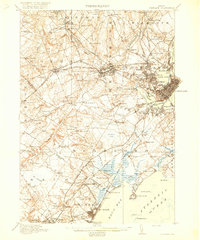 1916 Portland1916 Print · USGSGreater Portland and the Cumberland County coast are documented here during the height of the trolley and rail era. Researchers can trace ancestral property near the Evergreen Cemetery, early industries at Cumberland Mills, and vanished local sites like the State Reform School.7 unique versions available
 - 1916 Map of Casco Bay
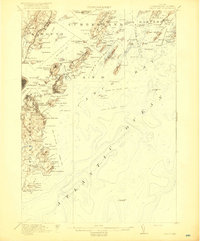 1916 Casco Bay1916 Print · USGSCumberland County’s shoreline was a landscape of strategic military forts and busy steamboat landings in the years before the Great War. Genealogists and historians can trace coastal heritage through landmarks like Fort Williams, Pine Grove School, and the scattered piers of Falmouth Foreside.8 unique versions available
 - 1916 Map of Portland And Vicinity
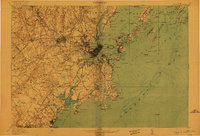 1916 Portland And Vicinity1916 Print · USGSCoastal Maine at the start of the Great War reveals a landscape of heavy coastal fortifications and bustling rail terminals. Trace old neighborhood boundaries and family landmarks like Milliken Mills, Hillside Cemetery, and the Portland Head lighthouse.
Showing maps 1-25 of 316
Top cities of Cumberland County
- Portland historical maps
- South Portland historical maps
- Scarborough historical maps
- Brunswick historical maps
- Westbrook historical maps
- Windham historical maps
See more
Frequently asked questions
- What are the different types of historical maps available for Cumberland County?
- What is the oldest map of Cumberland County?
- Where can I purchase historical maps of Cumberland County for my home or office?
- Where can I download high-res historical maps of Cumberland County?
- Are there historical topographic maps available for Cumberland County?
- Is there historical aerial imagery available for Cumberland County?
- Where are historical maps of Cumberland County sourced from?