Old Maps of Bloomer Township, Michigan for Genealogy
Trace your family roots with 29 historic maps of Bloomer Township. These high-res maps reveal old neighborhoods, homesites, landmarks, and streets — helping you uncover where your ancestors lived and how the area evolved over time.
- Explore historic neighborhoods: Identify where your relatives may have lived in the 1800s or 1900s.
- Compare maps over time: Trace the changes in streets, buildings, and landmarks for multi-generational research.
- Perfect for genealogy & ancestry research: Used by family historians and researchers to map out lineage and migration.
These maps are an incredible resource for exploring your personal connection to Bloomer Township's past.
Bloomer Township, MI maps
(29)- 1954 Map of Midland, 1967 Print
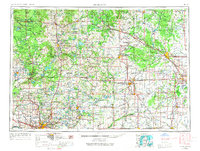 1954 Midland1967 Print · USGSMid-Michigan at the peak of the post-war era shows a landscape balancing industrial growth in Midland with the deep timberlands of the Manistee National Forest. Researchers can trace the legacy of the timber and rail era along the Pennsylvania RR or find family roots in river towns like Chesaning and Big Rapids.4 unique versions available
 - 1958 Map of Midland
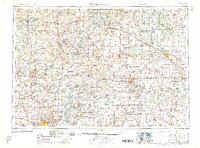 1958 Midland1958 Print · USGSCentral Michigan in the late fifties is captured here during a period of transition for its university towns and industrial hubs. Genealogists and researchers can trace family lines through old rail-stop towns like Breckenridge and Chesaning or locate property near the Muskegon River and Prairie Farm.
 - 1959 Map of Midland
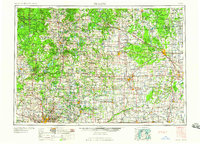 1959 Midland1959 Print · USGSMid-century Michigan comes alive in this survey of the central Lower Peninsula, from the streets of Grand Rapids to the Houghton Lake timberlands. Genealogists and rail fans can trace the Ann Arbor RR and Chesapeake and Ohio RR through towns like Big Rapids and Mount Pleasant.
 - 1966 Map of Midland
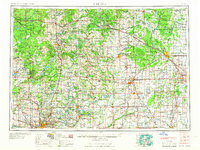 1966 Midland1966 Print · USGSCentral Michigan in the mid-1960s shows a landscape of growing manufacturing hubs and active resource extraction. Genealogists and historians can trace the rail corridors of the Grand Trunk Western or locate family-named landmarks near Oil wells and the Muskegon River.
 - 1967 Map of Palo, 1968 Print
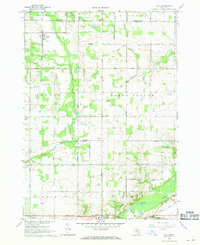 1967 Palo1968 Print · USGSMid-century Ionia and Montcalm counties are captured here just as the rural school and rail systems remained central to the landscape. Genealogists can locate family landmarks like the North Plains Cem, Hayes Sch, and the tracks of the Grand Trunk RR.2 unique versions available
 - 1967 Map of Hubbardston, 1968 Print
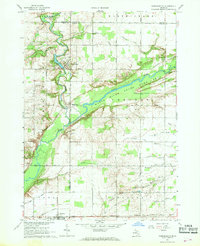 1967 Hubbardston1968 Print · USGSThe borderlands of Ionia and Clinton counties in the late sixties reveal a landscape of river-fed agriculture and expanding state lands. Genealogists and local historians can trace the foundations of Hubbardston and Pewamo or locate rural sites like West Side Cem and the Grand Trunk rail corridor.
 - 1967 Map of Carson City, 1968 Print
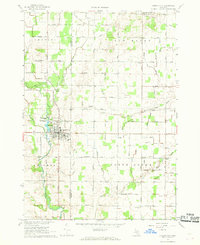 1967 Carson City1968 Print · USGSMid-Michigan farm country and the industrial center of Carson City are captured here in the late sixties. Genealogists and local historians can trace the foundations of the community through landmarks like the Oil Refinery, North Shade Sch, and Mt Hope Ch.
 - 1967 Map of Butternut, 1969 Print
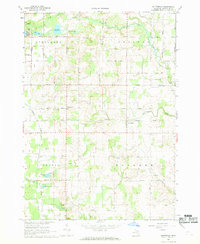 1967 Butternut1969 Print · USGSMontcalm County farmland was defined by its winding creeks and glacial lakes during the late sixties. Genealogists and local historians can trace the roads connecting Vickeryville and Butternut, and locate family burial sites like Bloomer Cem or Butke Cem.2 unique versions available
 - 1985 Map of Alma
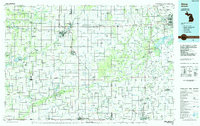 1985 Alma1985 Print · USGSCentral Michigan in the mid-eighties shows a landscape of steady agricultural communities and vital rail corridors. Genealogists and local historians can trace family roots through the detailed grids of Alma, Ithaca, and Chesaning, or locate rural landmarks like Riverside Cem and Lumberjack Land Airport.2 unique versions available
 - 2011 Map of Palo, 2011 Print
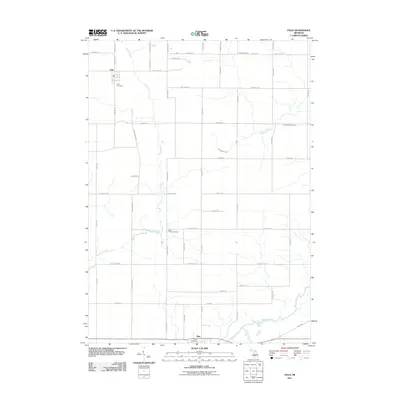 2011 Palo2011 Print · USGSLyons Township and the village of Muir appear at the start of the 2010s, defined by the winding Maple River and fertile farm lands. Local historians can trace family plots across Palo Cemetery, Woodward Cemetery, and North Plains Cemetery.
 - 2011 Map of Carson City, 2011 Print
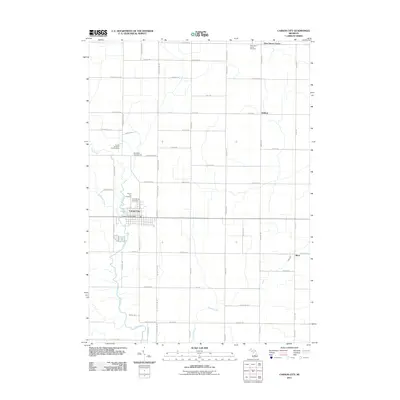 2011 Carson City2011 Print · USGSCarson City and its surrounding farmstead grid are captured here in the early twenty-first century. Genealogists and local historians can trace the area's rural development through markers like New Haven Center Cemetery, Sethton, and the United Brethren Church Camp.
 - 2011 Map of Hubbardston, 2011 Print
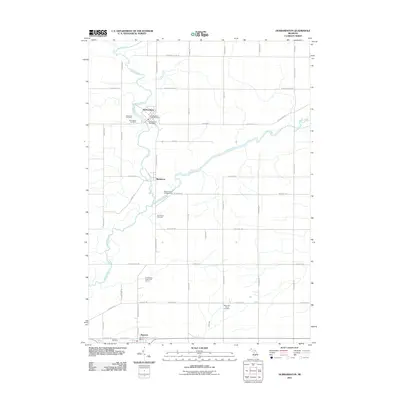 2011 Hubbardston2011 Print · USGSClinton and Ionia Counties at the start of the decade reveal a landscape of creek-side villages and rural churchyards. Genealogists can trace family names through Hubbardston East Cemetery, East Plains Cemetery, and the village of Matherton.
 - 2011 Map of Butternut, 2011 Print
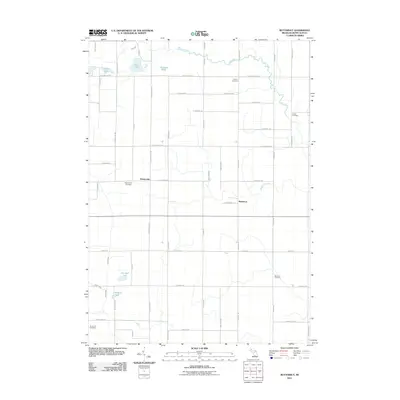 2011 Butternut2011 Print · USGSMontcalm County’s rural townships are captured here during the early twenty-first century, showing a landscape of quiet crossroad settlements and historic cemeteries. Researchers can locate family plots at Bloomer Cemetery or trace the winding course of Fish Creek near Butternut.
 - 2014 Map of Carson City, 2014 Print
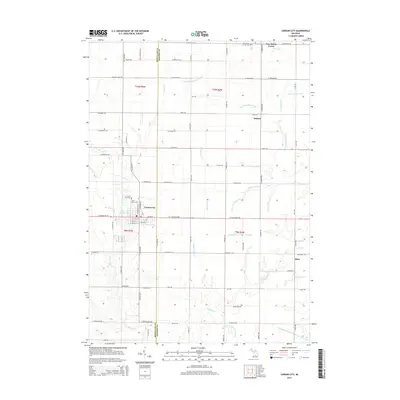 2014 Carson City2014 Print · USGSThe agricultural heartland of Montcalm and Gratiot counties is captured here in the early twenty-first century. Genealogists and local historians can trace family locations near Carson City, New Haven Center, and rural landmarks like Saint Marys Cemetery or the Mill Pond.
 - 2014 Map of Butternut, 2014 Print
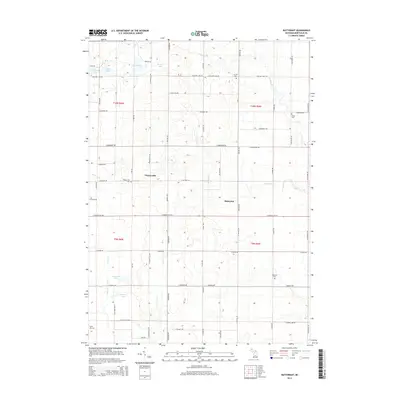 2014 Butternut2014 Print · USGSMontcalm County farmland and quiet crossroads settlements are captured here during the early twenty-first century. Genealogists and researchers can locate several rural burial sites, including Bloomer Cem and Sunny Hill Cem, alongside the small communities of Vickeryville and Butternut.
 - 2014 Map of Palo, 2014 Print
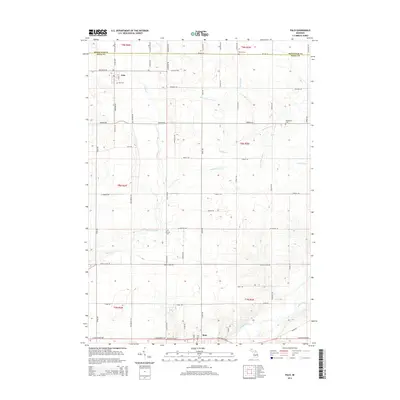 2014 Palo2014 Print · USGSIonia County farming communities and river valleys are documented here during the early twenty-first century. Genealogists and local historians can trace family locations near Palo and Muir, or locate rural landmarks like N Plains Cem and Woodward Cem.
 - 2014 Map of Hubbardston, 2014 Print
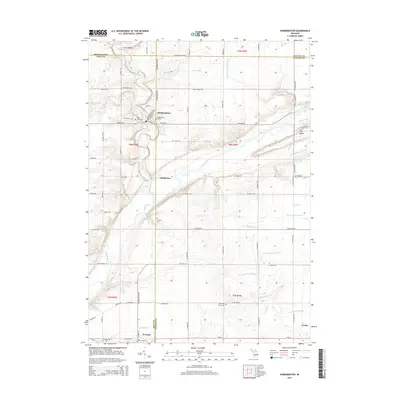 2014 Hubbardston2014 Print · USGSThe rural junction of Ionia and Clinton counties is captured here in the early 2010s, centered on the Maple River valley. Researchers can trace family history at Hubbardston E Cem or locate the historic river settlements of Hubbardston and Matherton.
 - 2017 Map of Hubbardston, 2017 Print
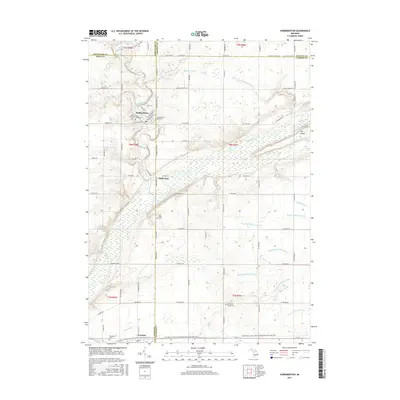 2017 Hubbardston2017 Print · USGSThe borderlands of Clinton, Ionia, Gratiot, and Montcalm counties are revealed here in the 2010s, centered on the village of Hubbardston. Genealogists and historians can locate numerous burial grounds like East Plains Cem and trace the rail-to-trail conversion of the CIS State Trail.
 - 2017 Map of Butternut, 2017 Print
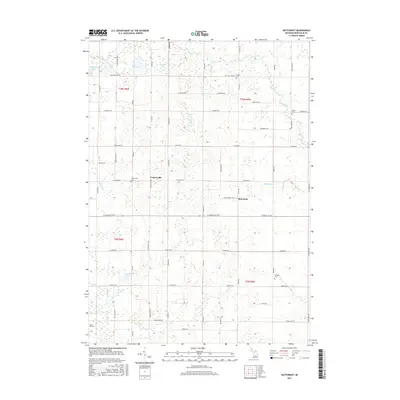 2017 Butternut2017 Print · USGSMontcalm County’s rural landscape is captured here in the mid-2010s, showing the enduring grid of farm roads and small crossroads communities. Genealogists can locate several historic burial sites like Vickeryville Cem and Bloomer Cem near the banks of Butternut Cr.
 - 2017 Map of Carson City, 2017 Print
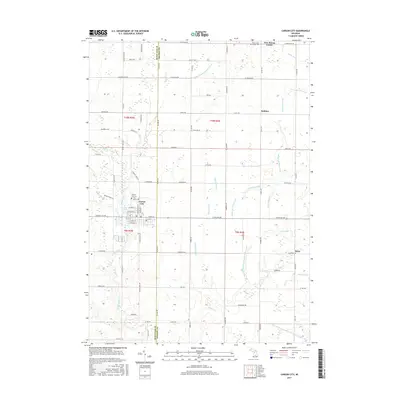 2017 Carson City2017 Print · USGSCarson City and the surrounding farmsteads of Montcalm and Gratiot counties are captured here in the mid-2010s. Genealogists and local historians can trace family locations near Sethton, the New Haven Center Cem, or along the Grand Trunk Ln rail corridor.
 - 2017 Map of Palo, 2017 Print
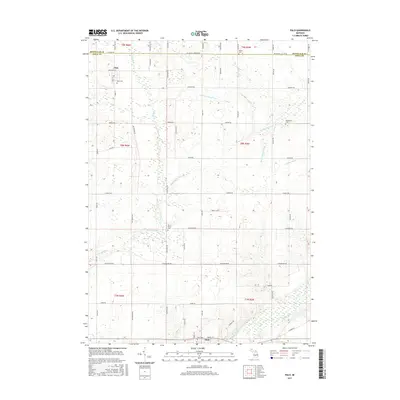 2017 Palo2017 Print · USGSAgricultural life in Ionia County is captured here in the mid-2010s, centered on the Maple River and the village of Palo. Family historians can locate several local burial sites, including North Plains Cem, Muir Cem, and Palo Cem.
 - 2019 Map of Carson City, 2019 Print
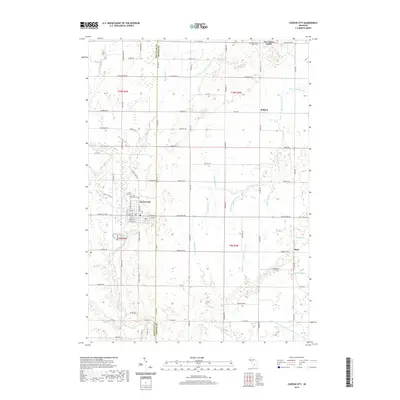 2019 Carson City2019 Print · USGSCarson City and the surrounding agricultural townships are documented here at the end of the 2010s. Local researchers can trace family lands and rural burials at New Haven Center Cemetery or locate landmarks like the Mill Pond and Brice.
 - 2019 Map of Hubbardston, 2019 Print
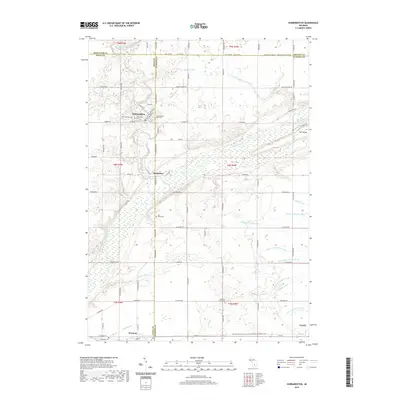 2019 Hubbardston2019 Print · USGSThe rural landscapes of Clinton and Ionia counties are captured here in the late 2010s, centered on the historic river settlements. Researchers can trace family sites at Saint Johns Cem or follow the CIS State Trail through Pewamo and Fowler.
 - 2019 Map of Butternut, 2019 Print
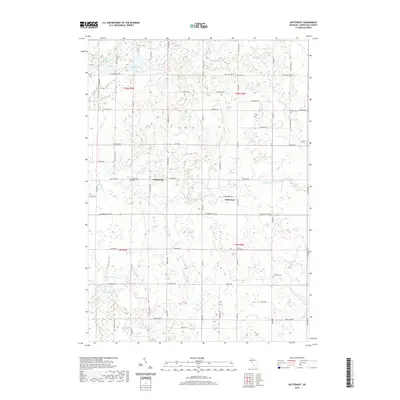 2019 Butternut2019 Print · USGSMontcalm County’s farming country and glacial lake districts are captured here in the late twenty-teens. Genealogists and researchers can pinpoint family burial sites at Bloomer Cem and Burke Cem or trace the drainage of Butternut Cr near Vickeryville.
 - 2019 Map of Palo, 2019 Print
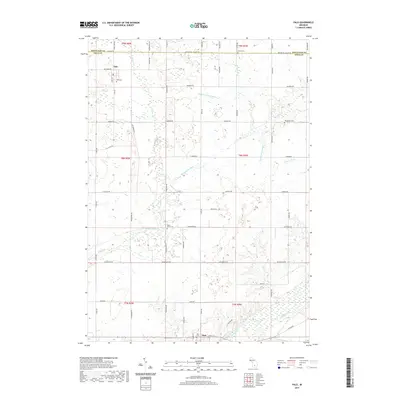 2019 Palo2019 Print · USGSIonia and Montcalm counties are shown in this modern survey of central Michigan’s farming heartland. Genealogists can locate several rural burial grounds, including Palo Cem and North Plains Cem, while tracing the course of the Maple River.
Showing maps 1-25 of 29
Top cities near Bloomer Township
- Ionia historical maps
- Alma historical maps
- Crystal historical maps
- Sumner historical maps
- Stanton historical maps
- Carson City historical maps
See more
Top neighborhoods of Bloomer Township
Frequently asked questions
- What are the different types of historical maps available for Bloomer Township?
- What is the oldest map of Bloomer Township?
- Where can I purchase historical maps of Bloomer Township for my home or office?
- Where can I download high-res historical maps of Bloomer Township?
- Are there historical topographic maps available for Bloomer Township?
- Is there historical aerial imagery available for Bloomer Township?
- Where are historical maps of Bloomer Township sourced from?