Old Maps of Lake of the Woods County, Minnesota
Explore 321 old maps of Lake of the Woods County, spanning from 1918 to today. These high-resolution historic maps reveal how streets, neighborhoods, landmarks, and natural features evolved over time — perfect for genealogy, metal detecting, research, and local history exploration.
What you can do with these maps:
- See how Lake of the Woods County changed over time: Compare historical maps to modern-day views to trace roads, homesites, rail lines & more.
- View detailed metadata: Each map includes creators, publishers, year, scale, and archive source.
- Overlay maps with satellite & LiDAR: Visualize the past alongside modern tools to explore terrain & human change.
- Trusted historical sources: Maps sourced from the USGS, Library of Congress, and other archives.
- Access maps your way: View online, download high-res files, or order prints for personal or research use.
Start exploring old maps of Lake of the Woods County to uncover forgotten places, hidden landmarks, and the deep history beneath your feet.
Lake of the Woods County, MN maps
(321)- 1918 Map of Buffalo Bay
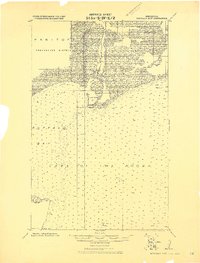 1918 Buffalo Bay1918 Print · USGSThe northern reaches of Minnesota meet the Canadian border in this 1918 military survey of the Lake of the Woods shoreline. Researchers can trace the hydrography of Buffalo Bay and locate landmarks like Buffalo Point and Stoney Creek before the landscape was modernly altered.2 unique versions available
 - 1918 Map of Winterroad
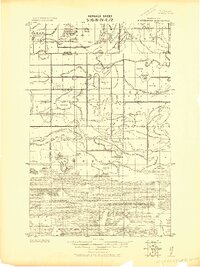 1918 Winterroad1918 Print · USGSNorthern Minnesota’s drainage and timber frontiers are documented here just after the war, showing the massive engineering projects intended to dry the landscape. Local historians can trace the early township divisions of Eugene and Yale alongside landmarks like School 25 and Winter Road Lake.2 unique versions available
 - 1918 Map of Roosevelt
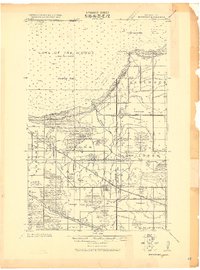 1918 Roosevelt1918 Print · USGSNorthern Minnesota's wooded frontier is captured here at the end of the Great War, as the railway transformed the lake country. Genealogists and historians can trace early school sites and track the Canadian Northern rail line through Roosevelt and Swift.
 - 1918 Map of F
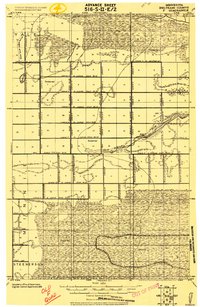 1918 F1918 Print · USGSBeltrami County’s northern wetlands are shown during a period of massive landscape engineering just after the Great War. Genealogists and historians can trace the early drainage infrastructure through the Main Judicial 1224 Ditch No 25 and find locations like Yale and Steenerson.
 - 1918 Map of Oak Island
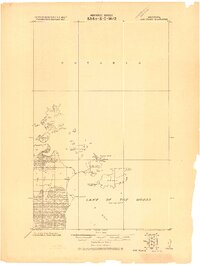 1918 Oak Island1918 Print · USGSThe international border at Lake of the Woods is captured here during the late First World War era. Genealogists and historians can trace the early footprint of Oak Island Fishery and coastal landmarks like Sugar Point and Magnusons Island.
 - 1918 Map of Williams
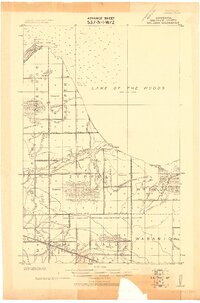 1918 Williams1918 Print · USGSBeltrami County's northern frontier comes to life just before the end of the Great War as surveyors documented the drainage and settlement of this timbered landscape. Trace early infrastructure along the Canadian Northern rail line and explore the complex system of drainage works including Main Judicial Ditch No 24 and Judicial Ditch No 16.
 - 1918 Map of Warroad
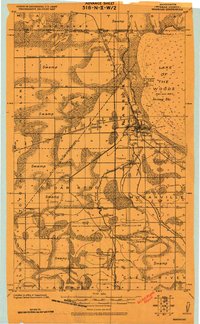 1918 Warroad1918 Print · USGSNorthern Minnesota's borderlands come alive in the decade following the drainage surveys, showing the international rail hub at Warroad and the marshy shores of Lake of the Woods. Genealogists can trace early homesteads and schools near Cedarbend, America, and along the Warroad River.
 - 1919 Map of Peppermint Creek
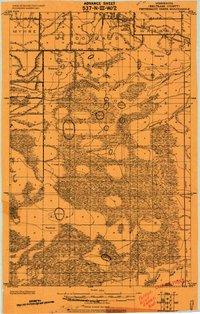 1919 Peppermint Creek1919 Print · USGSIn the decade after the Great War, this area of northern Minnesota was defined by its railroad and massive drainage projects. Researchers can trace the path of the Canadian Northern through Graceton or follow the intricate Judicial Ditch No 23 and the winding Winter Road River.
 - 1919 Map of G
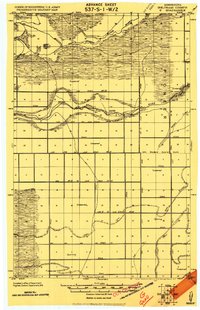 1919 G1919 Print · USGSBeltrami County at the end of the Great War reveals a landscape defined by massive drainage projects and the meandering South Branch Rapid River. Researchers can trace the early engineering of the peatlands via Jud. Ditch № 25 and locate specific timbered clearings labeled as Opening.
 - 1919 Map of Canada
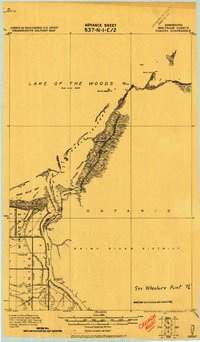 1919 Canada1919 Print · USGSThe international border at the mouth of the Rainy River is meticulously detailed in this post-World War I military survey. Historians can trace early northern Minnesota land reclamation through labels like Jud. Ditch 28 and find navigational landmarks such as Oak Point and Windy Point.
 - 1919 Map of Knutson
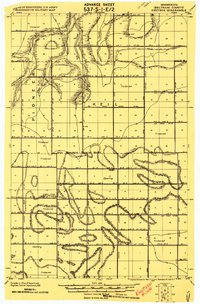 1919 Knutson1919 Print · USGSBeltrami County at the end of the Great War shows a landscape being actively reshaped by drainage projects and early surveying. Genealogists and historians can trace the development of the timbered wilderness through the routes of Rapid River and man-made systems like Judicial Ditch No 30 and Judicial Ditch No 36.
 - 1921 Map of Baudette
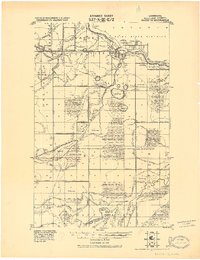 1921 Baudette1921 Print · USGSBaudette and Spooner anchor this borderland survey during the early 1920s, showing a landscape defined by timber and drainage. Researchers can trace early railroad history along the Canadian Northern or locate rural landmarks like Pitt and Wabanica Creek.2 unique versions available
 - 1943 Map of Peppermint Creek
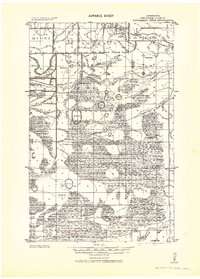 1943 Peppermint Creek1943 Print · USGSIn the early 1940s, Beltrami County’s landscape was defined by an ambitious system of judicial ditches designed to reclaim timberland. Researchers can trace the Canadian Northern rail line through Graceton and explore the vast drainage network of Main Judicial Ditch No 23 and Peppermint Creek.
 - 1943 Map of Roosevelt
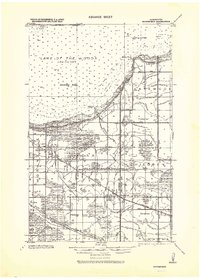 1943 Roosevelt1943 Print · USGSNear the international boundary in the 1940s, this area shows the early development of Roseau and Beltrami Counties around the Canadian Northern line. Researchers can trace the layout of Roosevelt, Arnesen, and Swift alongside the timbered landscapes of Laona.
 - 1943 Map of Warroad
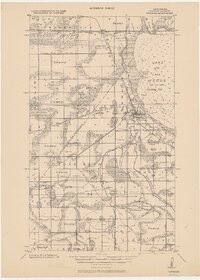 1943 Warroad1943 Print · USGSThe northern borderlands of Roseau County are captured here in the early 20th century, showing a landscape defined by rail junctions and ambitious drainage projects. Researchers can trace family sites near Warroad, find rural schools in America, or follow the old Great Northern RR line through the Red Lake Indian Reservation.
 - 1954 Map of Roseau, 1969 Print
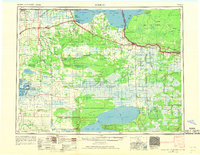 1954 Roseau1969 Print · USGSNorthern Minnesota's borderlands come alive in the 1950s, showing a landscape defined by timber, water, and rail. Trace family roots through old schools and cemeteries near Roseau, Warroad, and the expansive Red Lake Indian Reservation.2 unique versions available
 - 1957 Map of Roseau
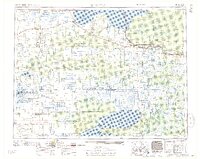 1957 Roseau1957 Print · USGSThe international border and tribal lands define Northern Minnesota in the mid-fifties, from the shores of Lake of the Woods to the Red Lake Indian Reservation. Researchers can trace the path of the Great Northern railroad and locate isolated outposts like the U S Custom House and Ponemah.
 - 1958 Map of Roseau
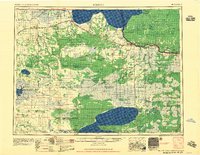 1958 Roseau1958 Print · USGSNorthern Minnesota's borderlands and vast lake country are captured here in the late fifties. Researchers can trace the Canadian National rail line through Warroad or find family history in frontier settlements like Baudette, Waskish, and Shotley.
 - 1963 Map of Kenora, 1968 Print
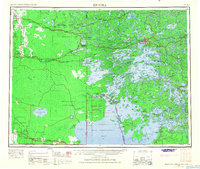 1963 Kenora1968 Print · USGSThe Lake of the Woods borderlands in the early sixties reveal a complex web of remote peninsulas and rail-linked settlements. Trace the path of the Canadian Pacific Railway through Kenora or locate island outposts like Falcon Island and Big Island.2 unique versions available
 - 1967 Map of Flag Island, 1969 Print
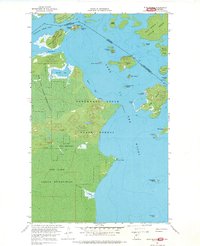 1967 Flag Island1969 Print · USGSThe northernmost point of the contiguous United States is captured here during the late sixties, where the forest meets the water of the borderlands. Researchers can locate the settlement of Penasse, the historic Fort St Charles, and seasonal routes like the Winter Trail.
 - 1967 Map of Williams, 1969 Print
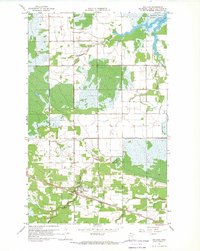 1967 Williams1969 Print · USGSWilliams and the surrounding Lake of the Woods wilderness are captured here in the late sixties as the Canadian National railway still shaped the local economy. Researchers can locate Pine Hill Cem, the grounds of Zippel Bay State Park, and the winding Zippel Creek.2 unique versions available
 - 1967 Map of Buffalo Bay NW, 1969 Print
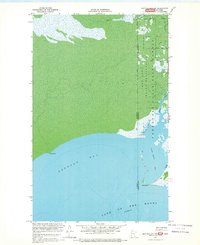 1967 Buffalo Bay NW1969 Print · USGSThe northernmost frontier of Minnesota meets the Canadian border in the late sixties, showcasing the isolated Northwest Angle. Trace the seasonal Winter Road and Winter Trail through the Red Lake Indian Reservation and along Stony Creek.
 - 1967 Map of Roosevelt NW, 1969 Print
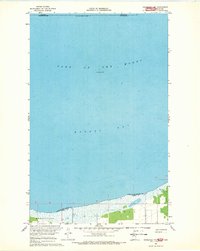 1967 Roosevelt NW1969 Print · USGSThe northern borderlands of Minnesota meet Manitoba in the late 1960s at the wide waters of Lake of the Woods. Genealogists and researchers can trace the shoreline settlement of Moranville and the marshy terrain surrounding Laona.
 - 1967 Map of Roosevelt, 1969 Print
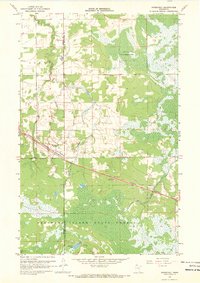 1967 Roosevelt1969 Print · USGSThe village of Roosevelt is shown at a pivotal moment in the late sixties, centered on the border of Roseau and Lake of the Woods counties. Genealogists and historians can trace the Canadian National rail corridor or locate landmarks like Norquist Lake and the Krull Trail.2 unique versions available
 - 1967 Map of Williams NW, 1969 Print
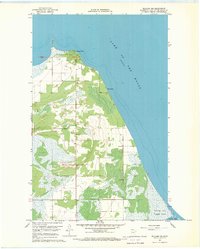 1967 Williams NW1969 Print · USGSThe northern shores of Minnesota meet the water in the late 1960s, showing a landscape of coastal marshes and small lakeside settlements. Genealogists and historians can trace the area around Birch Beach, locate the Cem, and see the site of the Prosper Lookout Tower.
Showing maps 1-25 of 321
Top cities of Lake of the Woods County
Frequently asked questions
- What are the different types of historical maps available for Lake of the Woods County?
- What is the oldest map of Lake of the Woods County?
- Where can I purchase historical maps of Lake of the Woods County for my home or office?
- Where can I download high-res historical maps of Lake of the Woods County?
- Are there historical topographic maps available for Lake of the Woods County?
- Is there historical aerial imagery available for Lake of the Woods County?
- Where are historical maps of Lake of the Woods County sourced from?