Old Maps of Hoyt Lakes, Minnesota for Academic Research
Study the evolution of Hoyt Lakes with 51 high-resolution historic maps. Whether you're teaching, researching, or modeling changes in land use, these maps provide essential visual documentation of urban, environmental, and geographic change.
- Analyze long-term change: Track patterns in development, transportation, and natural features.
- Ideal for environmental or urban studies: Support academic projects with primary historical map data.
- Use in the classroom or lab: Educators and researchers rely on these maps to bring historical context to life.
These maps are a powerful tool for teaching, research, and visualizing how Hoyt Lakes has changed over the decades.
Hoyt Lakes, MN maps
(51)- 1949 Map of Aurora, 1956 Print
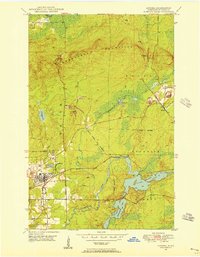 1949 Aurora1956 Print · USGSThe Iron Range of northern Minnesota comes alive in this post-war survey of the mining landscape around Aurora. Researchers can trace the industrial footprint of the St James Pit, the community of Mesaba, and family landmarks near Colby Lake.
 - 1949 Map of Isaac Lake, 1958 Print
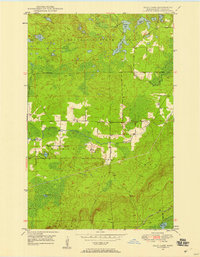 1949 Isaac Lake1958 Print · USGSSt. Louis County timber and iron lands are documented here during the late 1940s as industry pushed into the northern woods. Researchers can locate the Arvo Cem, trace the Duluth Missabe and Iron Range rail line, and find Armanda Camp.4 unique versions available
 - 1949 Map of Allen, 1958 Print
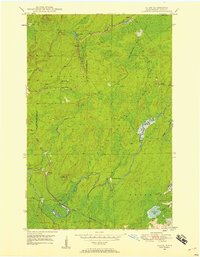 1949 Allen1958 Print · USGSThe Mesaba Range and the Iron Range railroad system are in full operation during this post-war era in northern Minnesota. Genealogists and historians can trace the early industrial footprint at Allen, Wyman, and remote outposts like Niemi Camp.
 - 1949 Map of Embarrass, 1959 Print
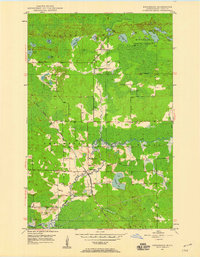 1949 Embarrass1959 Print · USGSThe Embarrass River valley in the late 1940s shows a landscape of glacial lakes and northern timber. Genealogists can locate School No 70 and the village of Embarrass along the Duluth Missabe and Iron Range railroad.4 unique versions available
 - 1950 Map of Isaac Lake
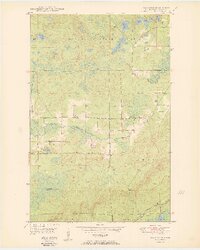 1950 Isaac Lake1950 Print · USGSSt. Louis County is captured at mid-century as the timber and iron economies shaped this north woods landscape. You can trace early cemetery locations like Armanda Cem, find the local Town Hall, and follow the Duluth Missabe and Iron Range railroad.2 unique versions available
 - 1950 Map of Embarrass
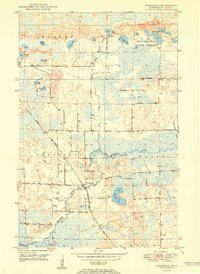 1950 Embarrass1950 Print · USGSSt. Louis County in the post-war era reveals a landscape of Iron Range rail lines and northern forests. Genealogists and local historians can trace the early layout of Embarrass, the location of School No 70, and dozens of named water bodies like Heikkilla Lake.
 - 1950 Map of Allen
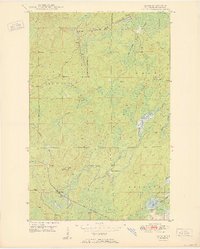 1950 Allen1950 Print · USGSThe Mesaba Range comes into focus during the mid-century as an active corridor of mining and rail transport. Genealogists and historians can trace the Duluth Missabe and Iron Range railroad through the forest to Allen and Niemi Camp.2 unique versions available
 - 1950 Map of Aurora
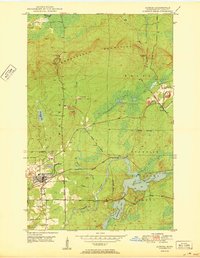 1950 Aurora1950 Print · USGSThe Mesaba Iron Range was at a peak of industrial activity in the mid-twentieth century when this survey was conducted. Historians can trace the massive excavations of the St James Pit and Miller Pit alongside the rail-dependent settlements of Aurora and Old Mesaba.2 unique versions available
 - 1954 Map of Hibbing, 1966 Print
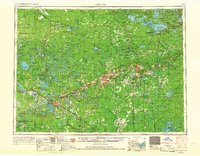 1954 Hibbing1966 Print · USGSNorthern Minnesota's Iron Range thrives during the mid-1960s, showing the industrial landscape between the Mesabi Range and the Mississippi River. Genealogists and historians can trace the rail lines of the Great Northern RR through mining hubs like Hibbing and Virginia.3 unique versions available
 - 1957 Map of Hibbing
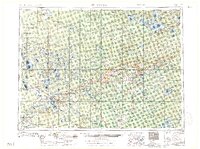 1957 Hibbing1957 Print · USGSNorthern Minnesota's Iron Range is shown at its industrial peak in the mid-fifties, dominated by the massive iron pits and rail corridors of the Mesabi Range. Researchers can trace the rail networks of the Duluth Missabe and Iron Range and locate mining hubs like Hibbing, Virginia, and Bovey.
 - 1957 Map of Markham, 1958 Print
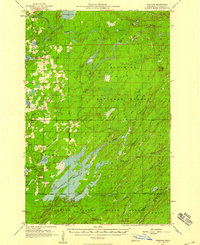 1957 Markham1958 Print · USGSSt. Louis County in the late fifties was a landscape of dense state forests and critical waterways supporting the regional Iron Range. Researchers can locate the settlement of Markham and trace the paths of the Duluth Missabe and Iron Range railroad and the sprawling Whiteface Reservoir.2 unique versions available
 - 1958 Map of Hibbing
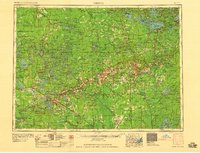 1958 Hibbing1958 Print · USGSThe Mesabi Iron Range reached its mid-century height during this era, defining the landscape between Grand Rapids and Virginia. Genealogists and historians can trace the mining-town networks of Hibbing and Chisholm or locate numerous iron mines and rail spurs.
 - 1962 Map of Aurora, 1964 Print
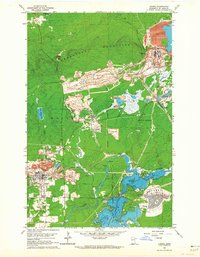 1962 Aurora1964 Print · USGSIron Range industry reaches its mid-century peak in this survey of the northern Mesabi mining district. Researchers can trace the massive Erie Mine No 1 Pit, the rail lines of the Duluth Missabe and Iron Range, and landmarks like Forest Hill Cemetery.4 unique versions available
 - 1962 Map of Allen, 1964 Print
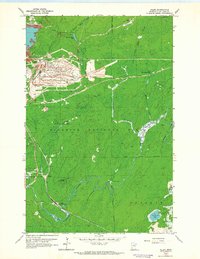 1962 Allen1964 Print · USGSThe Mesabi Range industrial landscape is on full display here in the early 1960s, where heavy iron mining meets the deep woods. Researchers can trace the massive Erie Mine No 2 Pit and the rail corridors of the Duluth Missabe and Iron Range near Allen (Allen Junc Sta).4 unique versions available
 - 1964 Map of Hibbing
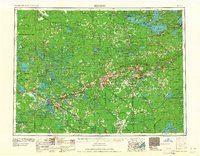 1964 Hibbing1964 Print · USGSNorthern Minnesota’s iron-rich corridor is captured here during a peak era of mid-century industrial activity. Researchers can trace the rail-to-mine connections through Mesabi Range towns like Hibbing and Virginia or locate lakefront settlements near Pokegama Lake.
 - 1976 Map of Markham NW, 1979 Print
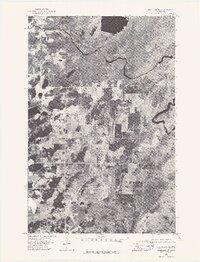 1976 Markham NW1979 Print · USGSSt. Louis County is captured from above in the mid-1970s, showing the intersection of waterway and woodland. Local historians can trace the exact 1976 path of the St Louis River and the rural surroundings of Whitewater Lake.
 - 1976 Map of Markham NE, 1979 Print
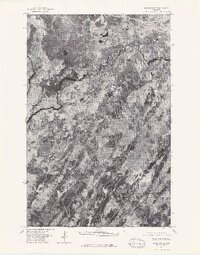 1976 Markham NE1979 Print · USGSNortheastern Minnesota's boreal landscape is captured in this mid-seventies aerial survey of St. Louis County. Researchers can trace the winding course of the St Louis River and examine the natural drainage patterns and forest cover of the era.
 - 1977 Map of Hibbing, 1994 Print
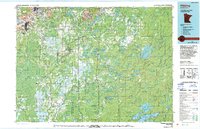 1977 Hibbing1994 Print · USGSThe Iron Range of northern Minnesota comes into sharp focus during the late seventies, detailing the massive mining works and rail networks of St. Louis County. Researchers can trace family roots in Hibbing, Chisholm, and Virginia, or locate old post offices like Leoneth and Iron.
 - 1981 Map of Turpela Lake, 1982 Print
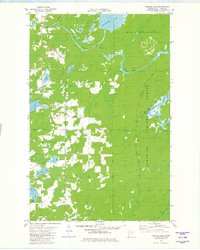 1981 Turpela Lake1982 Print · USGSIron Range wetlands and the Superior National Forest define this landscape during the early 1980s. Researchers can trace family-named landmarks like Hautala Lake and Kumpula Lake or locate industrial sites like the Gaging Station and various Gravel Pits.2 unique versions available
 - 1981 Map of Bird Lake, 1982 Print
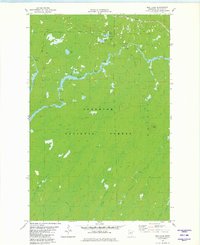 1981 Bird Lake1982 Print · USGSThe Superior National Forest remains a wild landscape of timber and wetlands in the early 1980s, shaped by the winding St Louis River. Local historians can trace the Duluth Missabe and Iron Range railroad or locate landmarks like Skibo Vista and Hush Lake.2 unique versions available
 - 1994 Map of Vermillion Lake
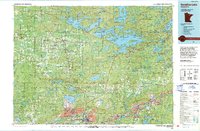 1994 Vermillion Lake1994 Print · USGSThe Mesabi Iron Range meets the North Woods in the 1990s, showcasing the heavy industrial footprint of the Duluth Missabe & Iron Range RR. Trace the sprawling works of the Mines near Virginia or the intricate island shorelines of Vermilion Lake.
 - 2010 Map of Embarrass, 2010 Print
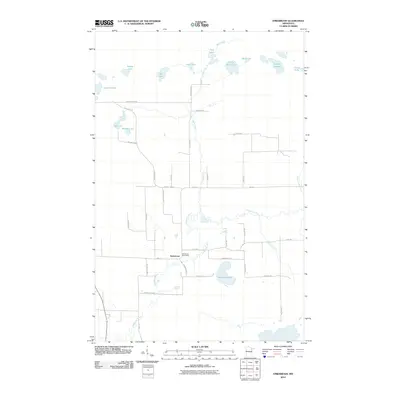 2010 Embarrass2010 Print · USGSEmbarrass and its surrounding lake country are captured here at the start of the 2010s. Genealogists and local historians can trace family-named routes like Hanka Nevala Rd and Waisanen Rd near the Embarrass Post Office and the winding Embarrass River.
 - 2011 Map of Bird Lake, 2011 Print
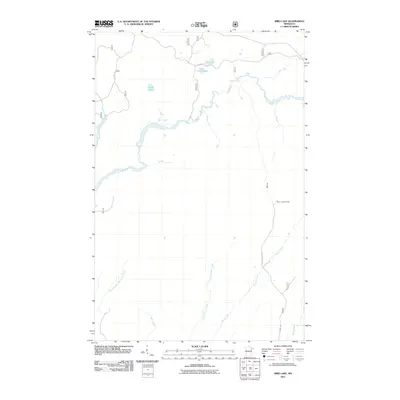 2011 Bird Lake2011 Print · USGSSaint Louis County is documented here at the start of the 2010s, showing a landscape defined by the winding Saint Louis River and forest management infrastructure. Researchers can locate remote landmarks like the Skibo Lookout Tower and trace drainage across Shiver Creek and Hush Lake.
 - 2011 Map of Aurora, 2011 Print
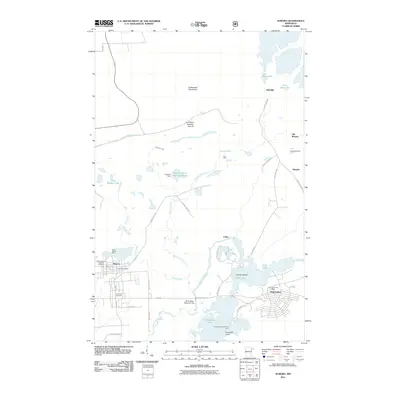 2011 Aurora2011 Print · USGSThe Mesabi Range mining district is captured here in the early twenty-first century, showing the industrial landscape surrounding Aurora and Hoyt Lakes. Genealogists and historians can locate the Czechoslovakian National Cemetery and trace the proximity of the Saint James Mine to the local town site.
 - 2011 Map of Isaac Lake, 2011 Print
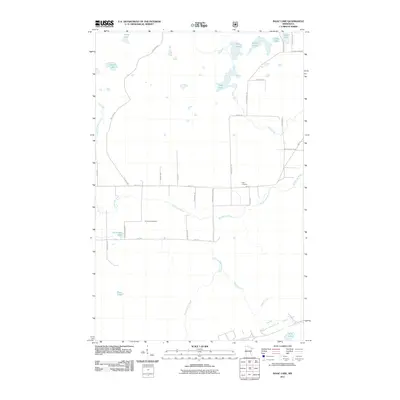 2011 Isaac Lake2011 Print · USGSSaint Louis County at the start of the 2010s reveals a quiet landscape of northern lakes and family-named homestead roads. Genealogists and local historians can trace burial sites at Armanda Cemetery or follow the waters of the Embarrass River and Isaac Lake.
Showing maps 1-25 of 51
Top cities near Hoyt Lakes
- Aurora historical maps
- Babbitt historical maps
- Biwabik historical maps
- Embarrass historical maps
- Fairbanks historical maps
Top neighborhoods of Hoyt Lakes
- Colby historical maps
- Mesaba historical maps
- Allen historical maps
- Hinsdale historical maps
- Wyman historical maps
- Old Mesaba historical maps
Frequently asked questions
- What are the different types of historical maps available for Hoyt Lakes?
- What is the oldest map of Hoyt Lakes?
- Where can I purchase historical maps of Hoyt Lakes for my home or office?
- Where can I download high-res historical maps of Hoyt Lakes?
- Are there historical topographic maps available for Hoyt Lakes?
- Is there historical aerial imagery available for Hoyt Lakes?
- Where are historical maps of Hoyt Lakes sourced from?