Old Maps of Taos, Missouri for Metal Detecting
Plan your next treasure hunt with 25 historic maps of Taos. Find old homesites, ghost towns, trails, and gathering spots that may be lost to time — perfect for identifying promising metal detecting locations.
- Locate forgotten sites: Uncover places like long-lost settlements, abandoned rail lines, or gathering spots.
- Plan better hunts: Use map overlays combined with LiDAR or satellite views to narrow in on historically rich areas.
- Made for detectorists: Thousands of hobbyists use these maps to discover relics, coins, and hidden history.
Use these historic maps to boost your research and find new opportunities beneath the surface of Taos.
Taos, MO maps
(25)- 1886 Map of Jefferson City
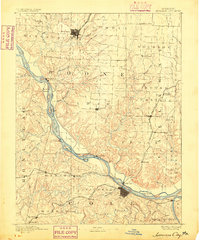 1886 Jefferson City1886 Print · USGSMid-Missouri was a bustling corridor of river traffic and rail expansion during the 1880s. You can trace the early tracks of the Missouri Pacific Railroad and locate vanished river landings like Nashville or Providence along the winding Missouri River.
 - 1888 Map of Tuscumbia
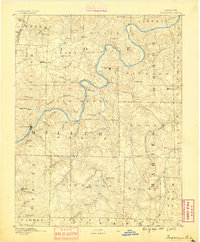 1888 Tuscumbia1888 Print · USGSThe Osage River valley comes to life in the 1880s, showcasing the intricate river bends and rugged hills of central Missouri. Genealogists and researchers can trace the original locations of early settlements like Tuscumbia, St. Elizabeth, and Iberia.
 - 1894 Map of Tuscumbia
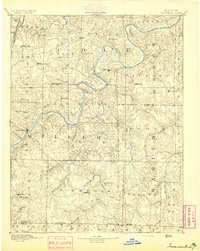 1894 Tuscumbia1894 Print · USGSCentral Missouri's river-and-rail landscape is captured here in the 1890s as the Osage River served as the region's main artery. Genealogists and historians can trace the early boundaries of communities like Tuscumbia, St. Elizabeth, and Iberia.3 unique versions available
 - 1894 Map of Jefferson City
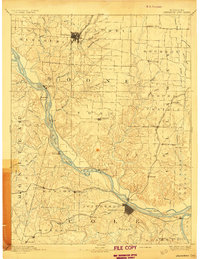 1894 Jefferson City1894 Print · USGSMid-Missouri during the late nineteenth century was a landscape of river landings and burgeoning rail towns. Genealogists and historians can trace early track layouts of the Missouri Pacific Railroad and locate interior settlements like Ashland, Millersburg, and Centretown.4 unique versions available
 - 1939 Map of Jefferson City, 1954 Print
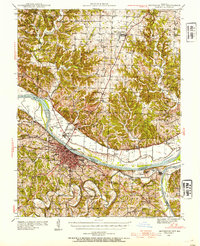 1939 Jefferson City1954 Print · USGSMissouri's capital and the surrounding river bluffs are captured here in the late thirties, showing the region's transition between rural farmland and state governance. Researchers can locate family landmarks like Providence Cem, the Algoa Reformatory, and various schools such as Sycamore Sch.2 unique versions available
 - 1942 Map of Jefferson City
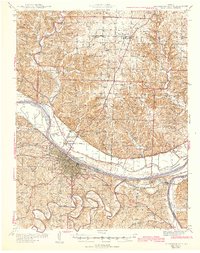 1942 Jefferson City1942 Print · USGSJefferson City and the surrounding river bluffs are captured in the early years of the war, when rail travel and state agriculture dominated the landscape. Genealogists can locate family-named landmarks and rural schools like Hall Sch, Williams Cem, and the small settlement of New Bloomfield.2 unique versions available
 - 1947 Map of Jefferson City, 1949 Print
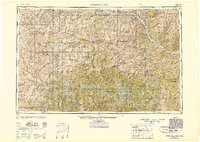 1947 Jefferson City1949 Print · USGSCentral Missouri and the northern Ozarks come into focus in this late 1940s survey of the river-and-rail landscape. Genealogists and historians can trace the growth of Jefferson City and Sedalia or locate family roots near Bagnell Dam and the Lake of the Ozarks.
 - 1948 Map of Meta, 1963 Print
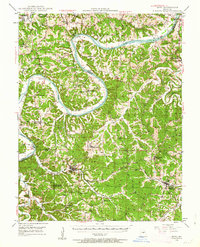 1948 Meta1963 Print · USGSThe Osage River valley in the late 1940s shows a landscape of river ferries and emerging rail hubs. Researchers can trace family sites like St Cecilia Cem & Ch, early river infrastructure at the US Lock & Dam, and rural centers such as Koeltztown.
 - 1950 Map of Meta
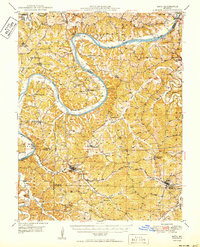 1950 Meta1950 Print · USGSMid-century life in the Missouri river hills centers on the winding Osage River and the small parish towns of the interior. Genealogists can trace family roots through several rural schools and burial grounds, including St Cecelia Cem and the Bodie Ferry (Aban'd).
 - 1954 Map of Jefferson City
 1954 Jefferson City1954 Print · USGSCentral Missouri in the early postwar years showcases a landscape defined by the winding Lake of the Ozarks and the state capital at Jefferson City. Researchers can trace the mid-century rail networks of the Missouri Pacific RR and locate rural communities like Tuscumbia, St Elizabeth, and St Anthony.2 unique versions available
 - 1955 Map of Jefferson City, 1967 Print
 1955 Jefferson City1967 Print · USGSCentral Missouri in the mid-fifties is defined by the winding Missouri River and the expanding reach of Lake of the Ozarks. Researchers can trace the rail corridors of the Missouri Pacific or locate the early footprint of Whiteman AFB and Jefferson City.4 unique versions available
 - 1958 Map of Jefferson City
 1958 Jefferson City1958 Print · USGSCentral Missouri in the late fifties shows a region transforming through the growth of Whiteman Air Force Base and the Lake of the Ozarks. Researchers can trace rail lines like the Missouri Pacific or find family roots at Enloe Cemetery and Mount Pleasant Cem.
 - 1959 Map of Jefferson City
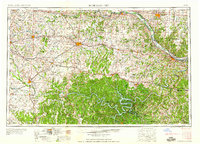 1959 Jefferson City1959 Print · USGSCentral Missouri is captured during the mid-fifties as the river economy and rail networks like the Missouri Pacific met the rise of the automobile. Local researchers can trace family landmarks and rural infrastructure from the Lake of the Ozarks up to Providence Cemetery and Knob Noster State Park.
 - 1967 Map of Osage City, 1968 Print
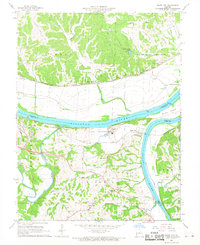 1967 Osage City1968 Print · USGSMid-Missouri river life and rail transit converge in the late sixties at the meeting of the Missouri River and Osage River. Researchers can trace the heritage of Osage City and Taos, or locate family sites like St Xaviers Cem and Link Cem.4 unique versions available
 - 1982 Map of Jefferson City, 1983 Print
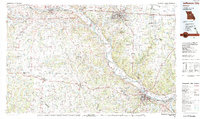 1982 Jefferson City1983 Print · USGSMid-Missouri in the early eighties shows the corridor between Columbia and Jefferson City during a period of modern growth. Genealogists and historians can trace the Missouri Pacific Railroad route, family plots at Memorial Park Cem, and landmarks like Osage City and Lupus.
 - 1983 Map of Lake Of The Ozarks, 1984 Print
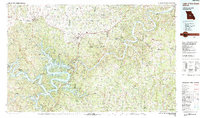 1983 Lake Of The Ozarks1984 Print · USGSThe Lake of the Ozarks region in the early eighties shows a landscape of deep river bends and growing recreation. Genealogists can trace family names and small settlements from Versailles to Meta and locate old mining sites like Tiff Mine.
 - 1987 Map of Westphalia West, 1988 Print
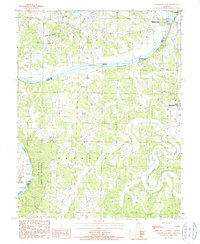 1987 Westphalia West1988 Print · USGSOsage and Cole Counties are shown in the late eighties as the winding Osage River dominates the local geography. Researchers can trace historic industrial sites like the Coke Ovens or locate family roots near Folk Cem and Westphalia.
 - 2011 Map of Osage City, 2011 Print
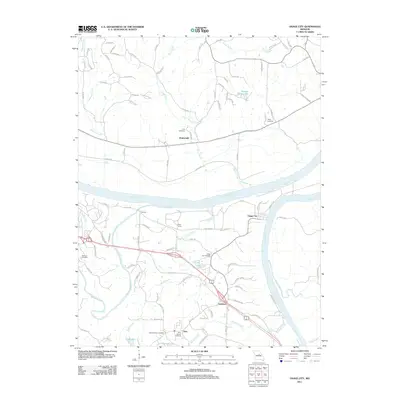 2011 Osage City2011 Print · USGSThe Missouri and Osage rivers converge here in the early twenty-first century, shaping a landscape of river towns and rural family lands. Genealogists can locate several local burial sites including Saint Xaviers Cemetery, Wolfrum Cemetery, and Link Cemetery.
 - 2011 Map of Westphalia West, 2011 Print
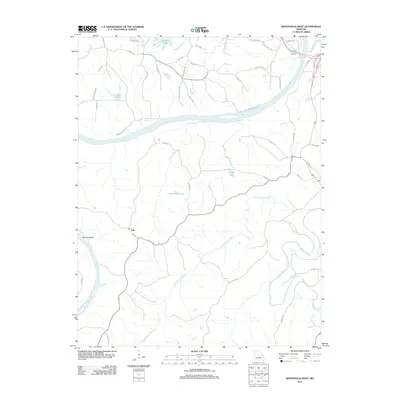 2011 Westphalia West2011 Print · USGSThe Osage and Maries rivers converge in this part of Cole County during the early 2010s, showing a landscape defined by its waterways and rural crossings. Genealogists and local historians can trace the routes around Folk or locate family-named features like Baumhoer Lake and Bodie Ferry Rd.
 - 2015 Map of Westphalia West, 2015 Print
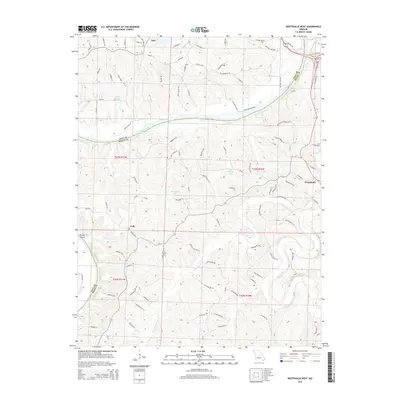 2015 Westphalia West2015 Print · USGSThe Osage and Maries rivers meet in this central Missouri landscape during the mid-2010s, where traditional river towns and rural routes define the area. Genealogists and local historians can trace family-named roads like Bode Ferry Rd and landmarks near Westphalia or Taos.
 - 2015 Map of Osage City, 2015 Print
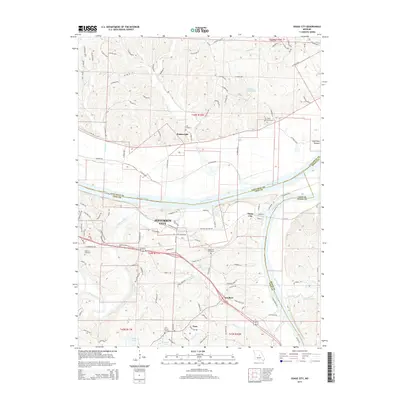 2015 Osage City2015 Print · USGSThe confluence of the Missouri and Osage Rivers near Jefferson City is captured here during the mid-2010s. Researchers can locate historic rural burial sites like Wolfrum Cemetery and trace the path of the Katy Trail through Wainwright.
 - 2017 Map of Westphalia West, 2017 Print
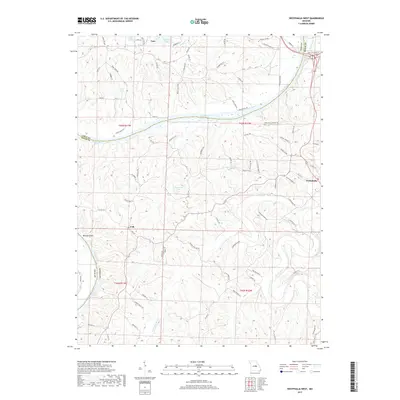 2017 Westphalia West2017 Print · USGSCentral Missouri's river country is captured here in the late twenty-tens, where the meandering Osage River splits the landscape. Trace the local road networks around Taos and Folk, or explore the riparian geography near Bloody Island and Little Maries Cr.
 - 2017 Map of Osage City, 2017 Print
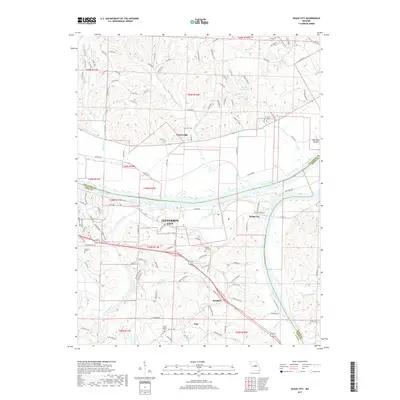 2017 Osage City2017 Print · USGSJefferson City and its surrounding riverfront communities are captured here in the late twenty-tens, showing the intersection of the Missouri River and Osage River. Researchers can trace local history through sites like Saint Xaviers Cem, Osage City, and the landing at Coté Sans Dessein.
 - 2021 Map of Osage City, 2021 Print
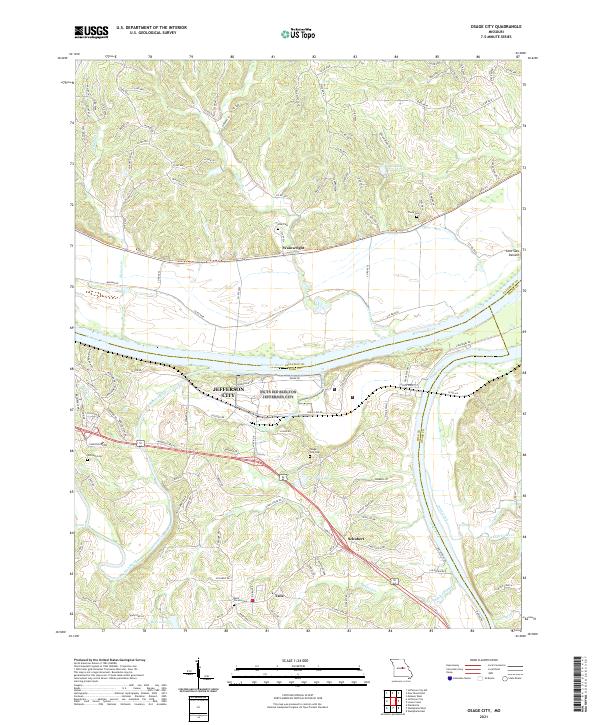 2021 Osage City2021 Print · USGSCentral Missouri's river heritage is on full display in the early 2020s where the Missouri River and Osage River converge near the state capital. Local researchers can trace family lands near Taos and Schubert or locate historic burial sites like Osage City Cem and Thorp Cem.
 - 2021 Map of Westphalia West, 2021 Print
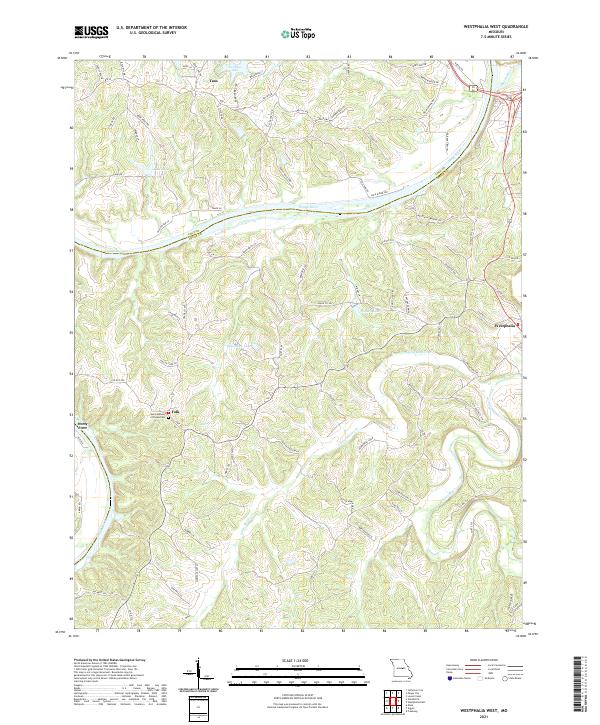 2021 Westphalia West2021 Print · USGSOsage and Cole counties are captured here in the early 2020s, centered on the river-bluff settlements and rural crossroads south of the state capital. Researchers can trace family history at Saint Anthony of Padua Cem and locate landmarks in Westphalia, Folk, and Taos.
End of results
Showing maps 1-25 of 25
Top cities near Taos
- Jefferson City historical maps
- Holts Summit historical maps
- Linn historical maps
- Wardsville historical maps
- New Bloomfield historical maps
- Freeburg historical maps
See more
Frequently asked questions
- What are the different types of historical maps available for Taos?
- What is the oldest map of Taos?
- Where can I purchase historical maps of Taos for my home or office?
- Where can I download high-res historical maps of Taos?
- Are there historical topographic maps available for Taos?
- Is there historical aerial imagery available for Taos?
- Where are historical maps of Taos sourced from?