1900s (20th Century) Maps of Greene County, Missouri
Explore 45 historic maps of Greene County from the 1900s (20th Century). These maps offer a rare glimpse into what life looked like during the 1900s — showing old roads, neighborhoods, homes, and landmarks that have changed or disappeared over time.
Whether you're researching your family's past, planning a metal detecting trip, or studying how Greene County's landscape evolved across the 1900s, these high-resolution maps are a powerful tool for exploring the history of this region.
- Focus on a specific era: All maps on this page are from the 1900s, giving you a focused view of this time period.
- See what’s changed: Compare century-old streets, trails, and buildings to today's modern landscape using overlays and satellite layers.
- Research with precision: Use these maps for genealogy, historical research, land use analysis, or educational projects.
- View, download, or print: Maps are fully viewable online in high resolution, and can be downloaded or printed for your own records.
Start exploring Greene County's history through authentic maps from the 1900s. This is your window into the past.
Greene County, MO maps
(45)- 1919 Map of Halltown
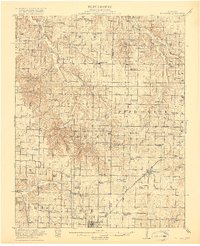 1919 Halltown1919 Print · USGSThe Missouri Ozarks are captured here during a time of dense rural settlement across Lawrence and Greene counties. Genealogists can locate dozens of country schools and churches, from Buck Prairie School to Mt Olive Church and Wade Chapel Cemetery.3 unique versions available
 - 1935 Map of Springfield
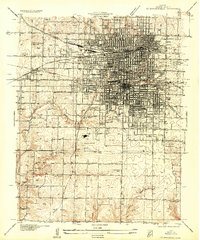 1935 Springfield1935 Print · USGSSpringfield was a bustling rail and institutional center in the mid-1930s. Researchers can trace the massive St L-S F RR Shops, the State Teachers College, and numerous rural schoolhouses like Kickapoo Sch.2 unique versions available
 - 1936 Map of Brookline
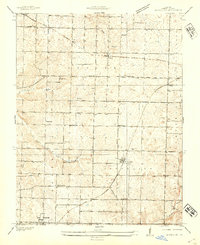 1936 Brookline1936 Print · USGSGreene County in the mid-thirties shows a landscape of small farming communities organized around the railway and country schoolhouses. Genealogists can locate family landmarks like Mt Aetna Sch, Brookline Cem, and the rail stops at Haseltine Siding and Elwood.
 - 1937 Map of Galloway
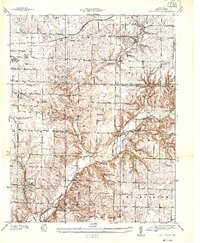 1937 Galloway1937 Print · USGSGreene County townships during the late 1930s show a landscape of small schools and rural rail stops. Researchers can trace family sites like Mc Graw Cem, visit Sequiota State Park, or locate the original Springfield Municipal Park and Airport.2 unique versions available
 - 1937 Map of Ozark
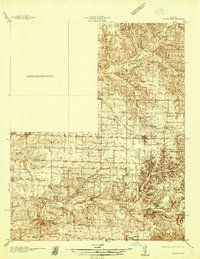 1937 Ozark1937 Print · USGSChristian and Greene Counties are captured here in the mid-1930s, showing a landscape of river-valley farms and small railroad towns. Genealogists can trace family names through dozens of rural landmarks like Roller Cemetery, Riverside Inn, and the Whiteoak Church.
 - 1943 Map of Ozark, 1968 Print
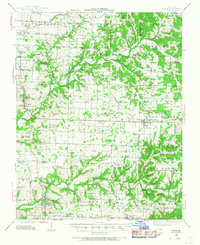 1943 Ozark1968 Print · USGSThe James River valley south of Springfield comes alive in the 1940s, showing a landscape defined by small settlements and the St Louis - San Francisco line. Genealogists can trace family roots at Holland Cem or locate old school sites like Blue Star Sch and Plummer Sch.
 - 1945 Map of Ozark
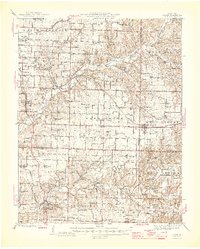 1945 Ozark1945 Print · USGSSouth of Springfield in the mid-1940s, this area shows a landscape transitioning from rural farmsteads to modern aviation hubs. Genealogists can trace family names at Holland Cem, Riverside Inn, and numerous school sites like Pedelo Sch.2 unique versions available
 - 1946 Map of Bassville, 1948 Print
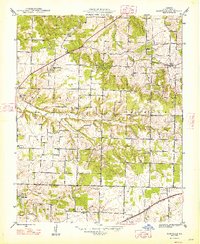 1946 Bassville1948 Print · USGSGreene County is shown here in the mid-1940s, a landscape of family farms and rural school districts before postwar expansion. Genealogists and local historians can locate several namesake institutions like Whitlock Sch, Elm Spring Cem, and the village of Bassville.
 - 1947 Map of Strafford, 1967 Print
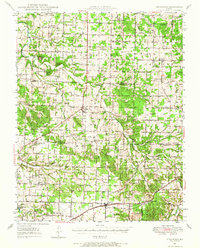 1947 Strafford1967 Print · USGSMissouri's Ozark plateau comes alive in the mid-forties, showing the rural school districts and crossroads towns of Greene and Dallas counties. Trace family roots at Mission Chapel, find the old roadbed of U. S. 66, or locate Tin Town.
 - 1948 Map of Bassville
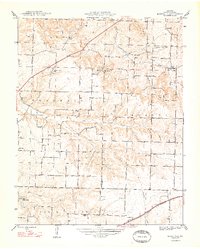 1948 Bassville1948 Print · USGSGreene County just after the war was a landscape of small farming districts and rural schools. Genealogists can trace family roots through landmarks like Hickory Barren Sch, Elm Spring Ch, and the crossroads at Bassville.
 - 1948 Map of Willard
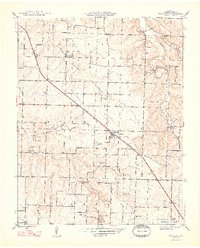 1948 Willard1948 Print · USGSGreene County is shown here in the late 1940s as a landscape of small school districts and railroad-line hamlets. Genealogists can trace family footprints at Wesley Cem, the Hackney Mill Bridge, or the rural Yocum Sch.2 unique versions available
 - 1948 Map of Ebenezer
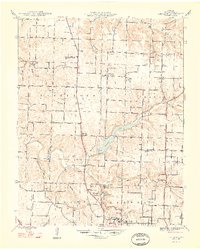 1948 Ebenezer1948 Print · USGSGreene County is shown just after the war as the rural landscape north of Springfield was defined by its creeks and local schoolhouses. Genealogists can locate family landmarks like Brick Church Cem, Crystal Cave, and the Ritter Sch near Ebenezer.2 unique versions available
 - 1948 Map of Strafford
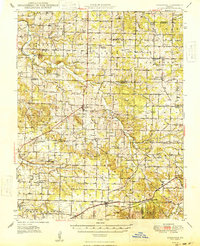 1948 Strafford1948 Print · USGSMid-century Greene and Webster Counties center on the rail-aligned town of Strafford and the rural crossroads of Fair Grove. Genealogists can locate family landmarks including Mullinx Cem, Hickory Barren Sch, and the old Whitlock Ch.2 unique versions available
 - 1948 Map of Galloway
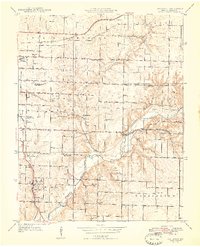 1948 Galloway1948 Print · USGSGreene County is shown here in the late 1940s as a landscape of rural schoolhouses and river crossings. Genealogists can trace family landmarks like Parsley Cem, Danforth Ch, and the historic railroad community of Galloway near Sequiota State Park.2 unique versions available
 - 1954 Map of Springfield
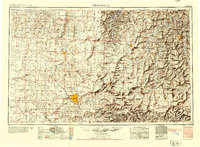 1954 Springfield1954 Print · USGSThe Missouri Ozarks are captured here during the post-war era, showing the expansion of Springfield and the surrounding river valleys. Genealogists and historians can trace local landmarks like Mount Comfort Cemetery and the Fort Leonard Wood military grounds.6 unique versions available
 - 1956 Map of Ash Grove, 1957 Print
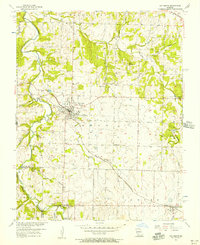 1956 Ash Grove1957 Print · USGSWestern Greene County in the mid-1950s is defined by the crossing of the St Louis San Francisco railroad and the winding Sac River. Genealogists can trace family footprints through sites like Hamilton Cem, Johns Chapel, and the established streets of Ash Grove.2 unique versions available
 - 1956 Map of Walnut Grove, 1957 Print
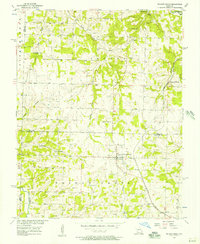 1956 Walnut Grove1957 Print · USGSWalnut Grove and the surrounding Missouri countryside are captured in the mid-fifties, during a time when rural life revolved around local churches and the railroad. Researchers can trace family roots at Green Lawn Cem, explore the old rail stop at Graydon Springs, or locate the Quarries at Phenix.2 unique versions available
 - 1956 Map of Everton, 1957 Print
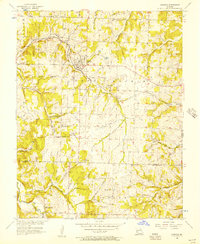 1956 Everton1957 Print · USGSEverton and the surrounding Rock Prairie uplands are captured here in the mid-fifties, showing the vital link between the St Louis San Francisco railroad and local agriculture. Researchers can trace rural life through sites like Hopewell Sch, Liberty Ch, and the Hood Cem.2 unique versions available
 - 1958 Map of Springfield
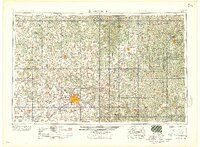 1958 Springfield1958 Print · USGSThe Missouri Ozarks are captured during the mid-century era of growth, centered on the bustling hub of Springfield. Genealogists and historians can trace family roots through numerous landmarks like Ebenezer Church, Stockton Cem, and the various county courthouses.
 - 1959 Map of Springfield
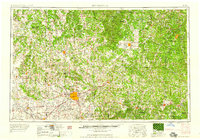 1959 Springfield1959 Print · USGSThe Missouri Ozarks are captured here during a decade of postwar growth and increasing highway connectivity. Researchers can trace the legacy of the St Louis-San Francisco RR and locate early sites in Springfield, Lebanon, and Mountain Grove.
 - 1960 Map of Brookline, 1961 Print
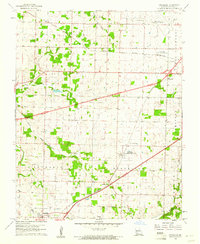 1960 Brookline1961 Print · USGSGreene County is captured during a period of infrastructure expansion in the early sixties as new highways were being built alongside established rail lines. Genealogists and local historians can locate several burial sites like Evergreen Cemetery and trace the original ST LOUIS SAN FRANCISCO rail route through Republic and Brookline.5 unique versions available
 - 1960 Map of Nixa, 1961 Print
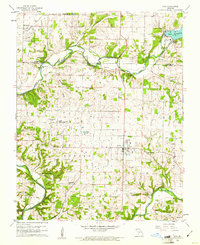 1960 Nixa1961 Print · USGSThe Ozark foothills south of Springfield appear here in the early 1960s as a landscape of rural family cemeteries and creek-side settlements. Genealogists can trace local history through landmarks like Union Chapel, McConnell Cem, and the historic Frazier Bridge.5 unique versions available
 - 1960 Map of Springfield, 1961 Print
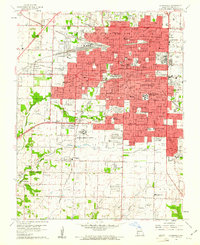 1960 Springfield1961 Print · USGSSpringfield and its surrounding Greene County townships appear in the early sixties during a season of post-war growth. Researchers can trace institutional roots at Southwest Missouri State College, explore the FEDERAL MEDICAL CENTER, or locate family sites near Hazelwood Cemetery and Bethany Ch.4 unique versions available
 - 1960 Map of Galloway, 1961 Print
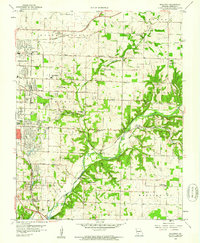 1960 Galloway1961 Print · USGSEastern Greene County at the dawn of the 1960s shows a mix of rural heritage and emerging city growth. Researchers can trace family roots through numerous landmarks like Kinser Chapel, the St Louis San Francisco railroad, and Bodenhamer Cem.4 unique versions available
 - 1960 Map of Republic, 1961 Print
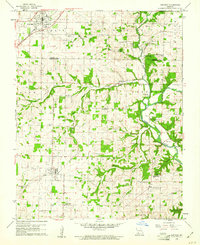 1960 Republic1961 Print · USGSSouthwest Missouri at the start of the 1960s reveals a landscape still deeply connected to its Civil War history and rural roots. Genealogists and historians can trace family locations through numerous sites like Wise Hill Cem, the historic Ray House, and the Wilson Creek Battlefield.4 unique versions available
Showing maps 1-25 of 45
Top cities of Greene County
- Springfield historical maps
- Republic historical maps
- Willard historical maps
- Battlefield historical maps
- Strafford historical maps
- Ash Grove historical maps
See more
Frequently asked questions
- What are the different types of historical maps available for Greene County?
- What is the oldest map of Greene County?
- Where can I purchase historical maps of Greene County for my home or office?
- Where can I download high-res historical maps of Greene County?
- Are there historical topographic maps available for Greene County?
- Is there historical aerial imagery available for Greene County?
- Where are historical maps of Greene County sourced from?