Old Maps of Saint Francois County, Missouri for Genealogy
Trace your family roots with 132 historic maps of Saint Francois County. These high-res maps reveal old neighborhoods, homesites, landmarks, and streets — helping you uncover where your ancestors lived and how the area evolved over time.
- Explore historic neighborhoods: Identify where your relatives may have lived in the 1800s or 1900s.
- Compare maps over time: Trace the changes in streets, buildings, and landmarks for multi-generational research.
- Perfect for genealogy & ancestry research: Used by family historians and researchers to map out lineage and migration.
These maps are an incredible resource for exploring your personal connection to Saint Francois County's past.
Saint Francois County, MO maps
(132)- 1901 Map of De Soto
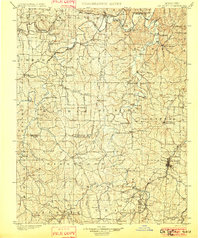 1901 De Soto1901 Print · USGSJefferson and Franklin Counties at the turn of the century show a landscape defined by industrial milling and river fords. Genealogists can trace early homesteads near Hillsboro or industrial sites like Vulcan Mine and Byrnes Mill.5 unique versions available
 - 1904 Map of Farmington, 1954 Print
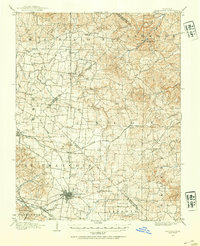 1904 Farmington1954 Print · USGSFarmington and the surrounding St. Francois County area are shown at a peak of early rail development at the turn of the century. Genealogists and historians can trace old wagon routes like Plank Road or locate vanished sites like Valley Forge and Thurman.2 unique versions available
 - 1905 Map of Bonneterre
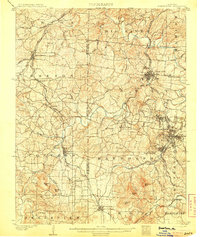 1905 Bonneterre1905 Print · USGSEastern Missouri's Lead Belt comes into focus during its industrial peak at the turn of the century. Genealogists and rail historians can trace the intricate connections between Bonneterre, Desloge, and Bismarck along the Mississippi River and Bonneterre RR.3 unique versions available
 - 1906 Map of Farmington
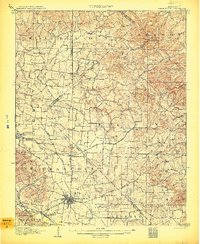 1906 Farmington1906 Print · USGSFarmington and the surrounding Ozark foothills are captured here during a pivotal era of railroad expansion and rural settlement. Genealogists and historians can trace defunct rail lines like the Illinois Southern Ry. and locate family landmarks in French Village or Valley Forge.2 unique versions available
 - 1910 Map of Higdon
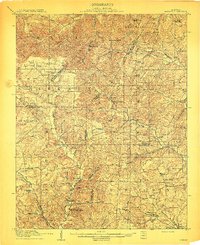 1910 Higdon1910 Print · USGSThe Missouri Ozarks are captured here at the turn of the century as a landscape of mills and mountain hollows. Genealogists can trace family roots through numerous remote landmarks like Nations Mill, Bandenstistle School, and Spring Valley Church.2 unique versions available
 - 1915 Map of Crystal City
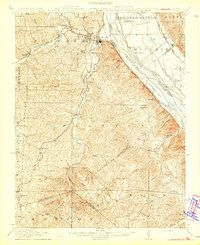 1915 Crystal City1915 Print · USGSThe Missouri-Illinois riverfront comes alive in this early 1900s survey of the industrial corridor between Crystal City and VALLES MINES. Researchers can trace the path of the St Louis and San Francisco railroad and locate old community centers like Rush Tower or the Telegraph School.4 unique versions available
 - 1931 Map of De Soto SE
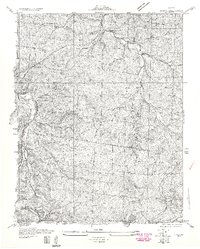 1931 De Soto SE1931 Print · USGSJefferson County was still a landscape of remote hill-country schools and river-valley railroads in the early thirties. Genealogists can trace family names and local landmarks like Mothershead Sch, the Joachim Cem, and the rail stop at Vineland.2 unique versions available
 - 1937 Map of Ironton
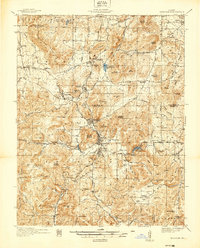 1937 Ironton1937 Print · USGSThe Arcadia Valley in the late 1930s is documented here during a period of established mining and rail activity. Researchers can trace family roots at Rebel Cem and Algire Cem, or locate rural landmarks like King Sch and the Devils Toll Gate.
 - 1937 Map of Tiff, 1962 Print
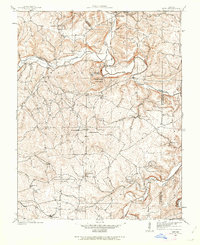 1937 Tiff1962 Print · USGSThe Missouri Ozarks are captured here in the late 1930s, showing a landscape of small mining outposts and river-valley settlements. Genealogists and historians can trace the foundations of Tiff, locate the Thunderbolt C C C Camp, and find rural landmarks like Cruise Mill.
 - 1939 Map of Tiff
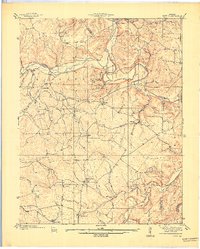 1939 Tiff1939 Print · USGSWashington County at the end of the Depression era shows a landscape of river-valley settlements and rural industry. Family researchers can locate the Cannon Mines, Cruise Mill, and early burial grounds like Masonic Cem and Pinson Cem.2 unique versions available
 - 1939 Map of Fredericktown
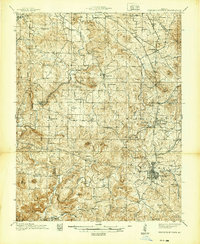 1939 Fredericktown1939 Print · USGSMadison County's mineral heart comes alive in this late 1930s survey of the Missouri Ozarks. Genealogists and historians can trace old homesteads and mining districts like Mine La Motte, the Catherine Mines, and the rural community of Slabtown.
 - 1945 Map of Ironton, 1955 Print
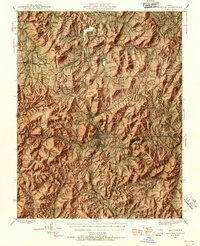 1945 Ironton1955 Print · USGSThe Arcadia Valley and the iron mining district of the St. Francois Mountains are captured here in the mid-1940s. Trace the path of the Missouri Pacific railroad through Pilot Knob and Ironton, or locate family sites like Schwab Cem and Flatwoods Sch.6 unique versions available
 - 1946 Map of Ironton
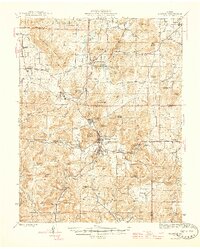 1946 Ironton1946 Print · USGSThe Arcadia Valley and the high peaks of the St. Francois Mountains are captured here in the post-war era. Researchers can trace the Missouri Pacific rail line through historic Ironton or locate family sites like Rebel Cem and Hogan Sch.2 unique versions available
 - 1947 Map of Fredericktown, 1970 Print
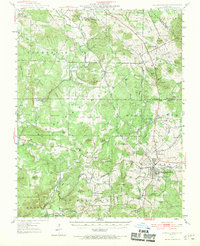 1947 Fredericktown1970 Print · USGSMadison and St. Francois counties are shown here in the mid-1940s during the height of the regional lead-mining boom. Researchers can trace family roots through numerous remote hill schools like Brightstone Sch or locate historic industrial sites such as the Catherine Mines and St Joseph Lead Mines.
 - 1949 Map of Saint Louis
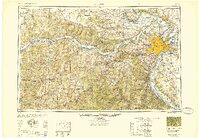 1949 Saint Louis1949 Print · USGSGreater St. Louis and its surrounding river valleys are captured here just after the war, showing the metropolitan core and the rural Ozark fringe. Researchers can trace the sprawling rail network of the Wabash RR or locate landmarks like Meramec Caverns Airport and Scott Air Force Base.2 unique versions available
 - 1949 Map of Rolla, 1950 Print
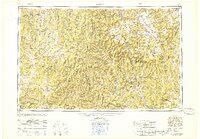 1949 Rolla1950 Print · USGSThe Missouri Ozarks are captured here just after the war, showing a landscape of deep river valleys and emerging reservoir projects. Genealogists and historians can trace the mining towns of Bonne Terre and Potosi or follow the early route of U.S. Highway 66.
 - 1949 Map of Crystal City, 1959 Print
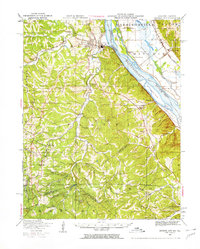 1949 Crystal City1959 Print · USGSThe Mississippi River valley comes alive in the late 1940s, showing the industrial pulse of Festus and the rural reaches of Jefferson County. Genealogists can locate numerous vanished landmarks like the Telegraph School, Valle Mines, and the Rush Tower river landing.2 unique versions available
 - 1950 Map of Fredericktown
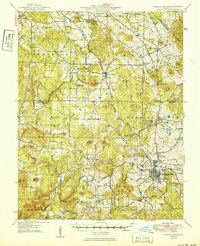 1950 Fredericktown1950 Print · USGSFredericktown and the surrounding mineral-rich hills are shown here just after the war, when mining and rail travel still anchored the local economy. Researchers can locate vanished rural schoolhouses like Brightstone Sch and trace the rail lines serving the Catherine Mines and Park City Mines.2 unique versions available
 - 1953 Map of Ironton
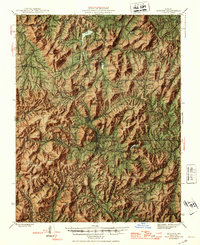 1953 Ironton1953 Print · USGSThe St. Francois Mountains of the Missouri Ozarks are captured here during the mid-century industrial era. Genealogists and historians can trace rail-side settlements like Arcadia and Ironton or find family landmarks such as Rebel Cem and White Sch.
 - 1953 Map of Rolla
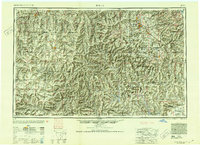 1953 Rolla1953 Print · USGSSoutheast Missouri’s mining towns and timberlands are seen here at the start of the 1950s. Genealogists and historians can trace the rail-and-river economy through local hubs like Fredericktown and the lead-mining heritage of Potosi and Desloge.
 - 1954 Map of Rolla, 1970 Print
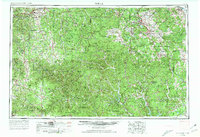 1954 Rolla1970 Print · USGSThe Missouri Ozarks and the historic Lead Belt are captured in the late sixties, showing a landscape of deep river hollows and industrial mines. Researchers can trace the routes of the Missouri Pacific RR to extraction sites like the Iron Mountain Mine or Pea Ridge Mine.2 unique versions available
 - 1955 Map of De Soto SE
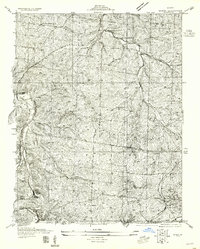 1955 De Soto SE1955 Print · USGSJefferson and St. Francois counties in the early thirties reveal a landscape of ridge-top schools and river-valley railroads. Genealogists can trace family names at Joachim Cem or locate the old Tunnel Sta and Silver Springs Sta along the rail lines.
 - 1958 Map of Rolla
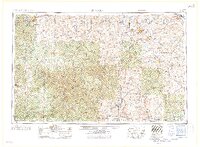 1958 Rolla1958 Print · USGSThe Missouri Ozarks and the lead-rich hills of the southeast are captured here in the late fifties as timber and mining shaped the local economy. Researchers can locate family landmarks like the Rolla Cemetery or trace old rail lines including the Missouri-Illinois RR and St Louis-San Francisco RR.
 - 1958 Map of Irondale, 1959 Print
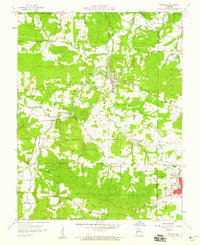 1958 Irondale1959 Print · USGSIron County's mining and railroad heritage are on full display in the late 1950s near the Washington and St. Francois border. Researchers can trace the lineage of local families through Wallen Cem and locate historic operations like the Eversole Mine or Irondale Mine.3 unique versions available
 - 1958 Map of Mineral Point, 1959 Print
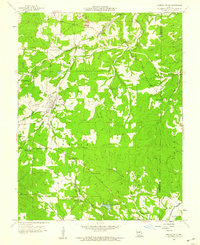 1958 Mineral Point1959 Print · USGSWashington and St. Francois counties in the late fifties are defined by a landscape of industrial extraction and quiet rural crossroads. Researchers can trace family history at Accuilla Cole Cem, locate the Potosi Lookout Tower, or study the rail operations at Cadet and Mineral Point.3 unique versions available
Showing maps 1-25 of 132
Top cities of Saint Francois County
- Farmington historical maps
- Park Hills historical maps
- Bonne Terre historical maps
- Desloge historical maps
- Bismarck historical maps
- Leadwood historical maps
See more
Frequently asked questions
- What are the different types of historical maps available for Saint Francois County?
- What is the oldest map of Saint Francois County?
- Where can I purchase historical maps of Saint Francois County for my home or office?
- Where can I download high-res historical maps of Saint Francois County?
- Are there historical topographic maps available for Saint Francois County?
- Is there historical aerial imagery available for Saint Francois County?
- Where are historical maps of Saint Francois County sourced from?