1960s Maps of Silver Bow County, Montana
Explore 21 historic maps of Silver Bow County from the 1960s. These maps offer a rare glimpse into what life looked like during the 1960s — showing old roads, neighborhoods, homes, and landmarks that have changed or disappeared over time.
Whether you're researching your family's past, planning a metal detecting trip, or studying how Silver Bow County's landscape evolved across the 1960s, these high-resolution maps are a powerful tool for exploring the history of this region.
- Focus on a specific era: All maps on this page are from the 1960s, giving you a focused view of this time period.
- See what’s changed: Compare century-old streets, trails, and buildings to today's modern landscape using overlays and satellite layers.
- Research with precision: Use these maps for genealogy, historical research, land use analysis, or educational projects.
- View, download, or print: Maps are fully viewable online in high resolution, and can be downloaded or printed for your own records.
Start exploring Silver Bow County's history through authentic maps from the 1960s. This is your window into the past.
Silver Bow County, MT maps
(21)- 1960 Map of Butte
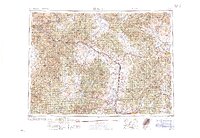 1960 Butte1960 Print · USGSWestern Montana at the dawn of the sixties is defined by its industrial mining hubs and the railroads that connect them. Genealogists and historians can trace the routes of the Milwaukee Road through Butte or locate smaller settlements like Southern Cross and Bearmouth.
 - 1960 Map of Twin Bridges, 1963 Print
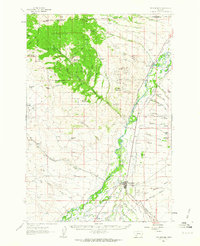 1960 Twin Bridges1963 Print · USGSMadison County in the early sixties shows a landscape defined by the meeting of four major rivers and the legacy of the mining boom. Genealogists and historians can trace family-named sites like Pogliano Ranch, the Pageville Sch, and dozens of lode mines including the Shamrock Mine.3 unique versions available
 - 1960 Map of Waterloo, 1964 Print
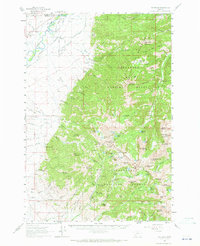 1960 Waterloo1964 Print · USGSMadison and Silver Bow counties in the early sixties reveal a landscape shaped by high-country ranching and mining. Researchers can trace the water rights and early settlements of the Jefferson valley, including Waterloo, Mammoth, and the Silver Bow Ranch.2 unique versions available
 - 1961 Map of Melrose, 1964 Print
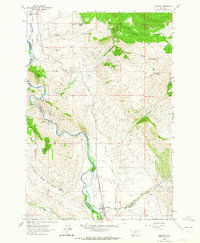 1961 Melrose1964 Print · USGSSilver Bow County during the early sixties centers on the railroad-dependent settlement of Melrose and its rugged mining outskirts. Researchers can trace the industrial footprint of the Old Glory Mine or follow water rights along the McCauley Ditch.4 unique versions available
 - 1961 Map of Burnt Mountain, 1964 Print
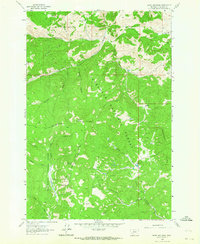 1961 Burnt Mountain1964 Print · USGSThe Montana high country along the Continental Divide is captured here in the early sixties, showing the intersection of two national forests. Genealogists and historians can locate isolated homesteads like Scuichetti Place, the Ajax Cabin, and the High Rye Guard Station.
 - 1961 Map of Dickie Peak, 1964 Print
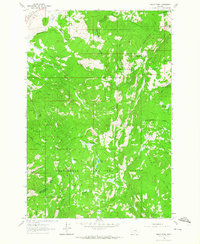 1961 Dickie Peak1964 Print · USGSSilver Bow County high country is shown here in the early sixties, split by the Continental Divide and county boundaries. Genealogists and historians can trace remote activity at French Town, the Hungry Hill Mine, and Johnson Park.2 unique versions available
 - 1961 Map of Earls Gulch, 1964 Print
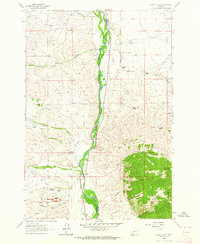 1961 Earls Gulch1964 Print · USGSThe ranching and mining landscapes of Beaverhead and Madison Counties are captured here in the early sixties as the river-and-rail economy thrived. Genealogists can locate family holdings like Kalsta Ranch and McCullough Ranch or trace industrial sites like the Tungsten Mill.5 unique versions available
 - 1961 Map of Anaconda, 1964 Print
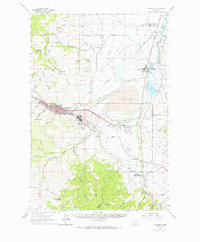 1961 Anaconda1964 Print · USGSThe Deer Lodge Valley in the early 1960s was a hub of smelting industry and state institutions. Trace the industrial footprint of the Anaconda Smelter and find local landmarks like Gregson Hot Springs and the State Hospital at Warm Springs.
 - 1961 Map of Wickiup Creek, 1964 Print
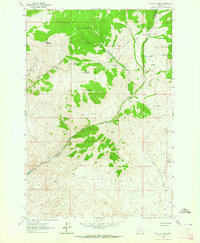 1961 Wickiup Creek1964 Print · USGSThe Silver Bow and Madison County line was a landscape of high-altitude mineral exploration in the early sixties. Researchers can trace historic extraction efforts through numerous Mines and Prospects near King and Queen Hill and Moffet Mountain.2 unique versions available
 - 1961 Map of Butte South, 1964 Print
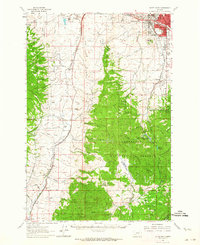 1961 Butte South1964 Print · USGSThe industrial outskirts of Butte meet the high timber of the Continental Divide in the early 1960s. Genealogists can locate several major cemeteries like Holy Cross Cem and Mountain View Cem, while researchers can trace rail lines to Feeley and the old Moose Town (Site).2 unique versions available
 - 1961 Map of Dewey, 1964 Print
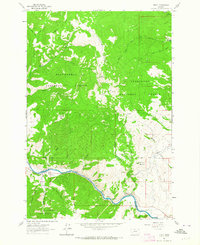 1961 Dewey1964 Print · USGSThe Big Hole River valley comes alive in the early sixties, showing the vital infrastructure of Dewey and its mountain surroundings. Trace the remnants of the Old Grade Railroad or locate family sites like Dewey Cem and Mitchell Park.3 unique versions available
 - 1961 Map of Wise River, 1964 Print
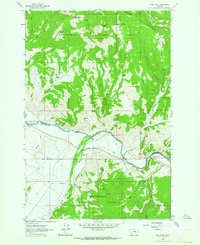 1961 Wise River1964 Print · USGSThe Big Hole River valley comes to life in the early sixties, showing the vital junction at Wise River and the sprawling Beaverhead National Forest. Genealogists and historians can trace the Old Railroad Grade and locate the Wise River Sch or Pattersons Corner.2 unique versions available
 - 1962 Map of Butte
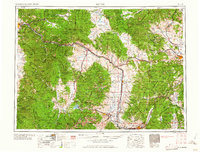 1962 Butte1962 Print · USGSWestern Montana in the early sixties remains a landscape of industrial muscle and high-mountain passes. Trace the rail lines of the Northern Pacific through Deer Lodge and the mining history around Anaconda and Philipsburg.
 - 1962 Map of Dillon
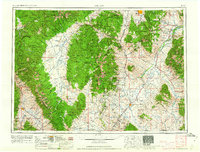 1962 Dillon1962 Print · USGSSouthwest Montana in the early sixties is defined by its high mountain ranges and the winding rivers that carved its settlement patterns. Trace the rail routes of the Union Pacific through Dillon or locate mining activity near Butte and Argenta.
 - 1962 Map of Lincoln Gulch, 1964 Print
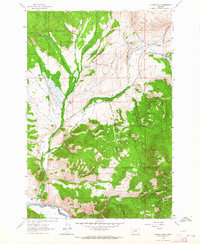 1962 Lincoln Gulch1964 Print · USGSThe Montana high country in the early sixties was a landscape of remote mountain ranching and early winter recreation. Family-named landmarks such as Rousch Ranch and the Deep Creek Ski Area offer rich details for genealogists and local historians.3 unique versions available
 - 1962 Map of Dickie Hills, 1964 Print
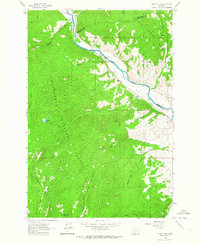 1962 Dickie Hills1964 Print · USGSBeaverhead County ranching and forestry are captured here in the early 1960s, where the river meets the high forest boundary. Researchers can trace historic property sites like Davis Ranch, find the crossing at Dickie Bridge, and locate high-altitude features like Foolhen Lake.4 unique versions available
 - 1963 Map of Pipestone Pass, 1966 Print
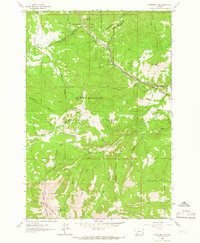 1963 Pipestone Pass1966 Print · USGSThe Continental Divide serves as the backbone for this high Montana survey from the early sixties. Researchers can trace the path of the Chicago Milwaukee St Paul and Pacific railroad or locate old mining prospects near Pipestone Pass and Toll Mountain.2 unique versions available
 - 1963 Map of Vendome, 1966 Print
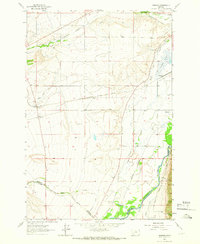 1963 Vendome1966 Print · USGSJefferson County in the early sixties is captured here as a vital rail and irrigation hub. Researchers can trace the dual routes of the Northern Pacific and Chicago Milwaukee St Paul and Pacific railroads past Fish Creek Cem and the settlement of Vendome.2 unique versions available
 - 1963 Map of Homestake, 1966 Print
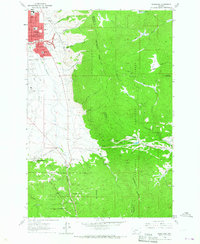 1963 Homestake1966 Print · USGSDuring the early sixties, the mountains east of Butte saw the rise of modern highways alongside historic rail lines. Trace old routes through Homestake and Janney, or locate family landmarks like the McAllister Ranch and Holy Cross Cem.2 unique versions available
 - 1963 Map of Grace, 1966 Print
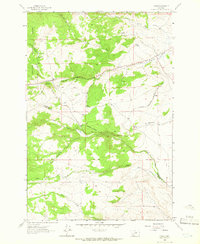 1963 Grace1966 Print · USGSJefferson and Silver Bow counties come alive in the early sixties, showing the vital rail corridor through the high country. Trace the path of the Chicago Milwaukee St Paul and Pacific as it passes Grace, Cedric, and the slopes of Toll Mountain.3 unique versions available
 - 1965 Map of Dillon
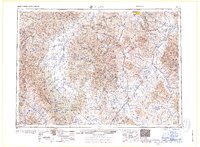 1965 Dillon1965 Print · USGSSouthwest Montana in the mid-1960s is defined by its rugged river valleys and high mountain passes along the Continental Divide. Researchers can trace the path of the Union Pacific through Dillon and Armstead, or locate early mining activity near Melrose and Wise River.
End of results
Showing maps 1-21 of 21
Top cities of Silver Bow County
Frequently asked questions
- What are the different types of historical maps available for Silver Bow County?
- What is the oldest map of Silver Bow County?
- Where can I purchase historical maps of Silver Bow County for my home or office?
- Where can I download high-res historical maps of Silver Bow County?
- Are there historical topographic maps available for Silver Bow County?
- Is there historical aerial imagery available for Silver Bow County?
- Where are historical maps of Silver Bow County sourced from?