Old Maps of Decatur, Nebraska for Genealogy
Trace your family roots with 30 historic maps of Decatur. These high-res maps reveal old neighborhoods, homesites, landmarks, and streets — helping you uncover where your ancestors lived and how the area evolved over time.
- Explore historic neighborhoods: Identify where your relatives may have lived in the 1800s or 1900s.
- Compare maps over time: Trace the changes in streets, buildings, and landmarks for multi-generational research.
- Perfect for genealogy & ancestry research: Used by family historians and researchers to map out lineage and migration.
These maps are an incredible resource for exploring your personal connection to Decatur's past.
Decatur, NE maps
(30)- 1955 Map of Sioux City, 1959 Print
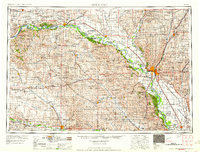 1955 Sioux City1959 Print · USGSThe Missouri River valley in the mid-fifties is captured here during a time of major engineering and social transition. Genealogists and historians can trace the foundations of Gavins Point Dam, tribal boundaries on the Santee Sioux Indian Reservation, and local landmarks like the Norfolk State Hospital.4 unique versions available
 - 1955 Map of Fremont, 1966 Print
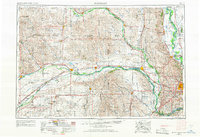 1955 Fremont1966 Print · USGSEastern Nebraska and the Missouri River border are captured during the mid-fifties, just as the interstate system began to emerge. Researchers can trace the development of Omaha, locate the sprawling Offutt Air Force Base, or study the river-bound ecology of the De Soto National Wildlife Refuge.3 unique versions available
 - 1957 Map of Fremont
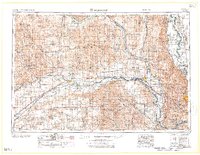 1957 Fremont1957 Print · USGSEastern Nebraska and western Iowa thrive along the Platte and Missouri rivers during the mid-fifties. Genealogists can locate small rural schools like Fairview School and tracing the paths of the Union Pacific through towns like Albion and Humphrey.
 - 1958 Map of Sioux City
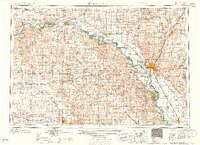 1958 Sioux City1958 Print · USGSThe Missouri River valley in the late fifties was a bustling intersection of tribal lands, rail corridors, and river towns. Genealogists can trace family roots through specific rural sites like Daisy Valley School, St Johns Church and School, and Yankton State Hospital.
 - 1958 Map of Fremont
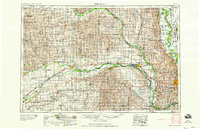 1958 Fremont1958 Print · USGSEastern Nebraska in the late fifties is captured here as a thriving corridor of river-valley commerce and rail transport. Researchers can trace the development of Omaha and Fremont or locate local landmarks like Midland College and Offutt Air Force Base.
 - 1959 Map of Sioux City
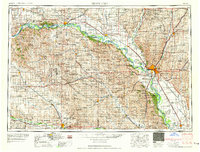 1959 Sioux City1959 Print · USGSThe tri-state region surrounding the Missouri River is captured here in the late fifties, showing the convergence of Nebraska, South Dakota, and Iowa. Researchers can trace rural lineages through numerous country schoolhouses like Cemetery School and the many numbered Washington School districts.
 - 1966 Map of Macy, 1968 Print
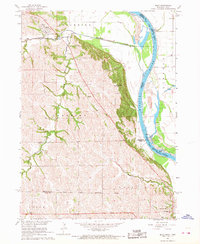 1966 Macy1968 Print · USGSThe Omaha Indian Reservation and the Missouri River bluffs are documented here in the mid-sixties. Genealogists and local historians can trace rural homestead patterns near Macy, the site of Omaha Tribal Cem, and several numbered schools such as School No 14.
 - 1969 Map of Onawa SW, 1971 Print
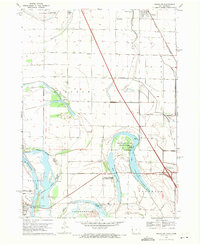 1969 Onawa SW1971 Print · USGSThe Missouri River bottoms at the close of the 1960s reveal a landscape of managed wetlands and vital river crossings. Researchers can trace the Chicago and North Western rail line near Whiting or locate Harrison Cem and Nebowa Camp.
 - 1970 Map of Tekamah NW, 1972 Print
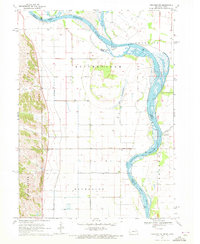 1970 Tekamah NW1972 Print · USGSThe Missouri River floodplain comes into sharp focus during the 1970s, showing a landscape of managed drainage and small rural hubs. Researchers can trace family ties at the Riverside Ch or locate landmarks like Lake Quinnebaugh and the Huff Access County Park.
 - 1970 Map of Bertha, 1972 Print
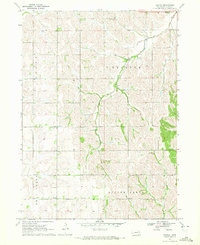 1970 Bertha1972 Print · USGSBurt County agriculture and community life are captured here in the early seventies, showing a landscape of scattered schools and prairie drainages. Genealogists can trace family roots at Holy Family Cem or locate rural centers like Bertha and Divide Center Ch.
 - 1986 Map of Sioux City South
 1986 Sioux City South1986 Print · USGSThe tri-state borderlands of Iowa, Nebraska, and South Dakota come into focus in the mid-1980s as a landscape of tribal lands and rail corridors. Researchers can trace the extensive boundaries of the Winnebago Indian Reservation and find local landmarks like Morningside College and Martin Field.2 unique versions available
 - 1986 Map of Blair
 1986 Blair1986 Print · USGSEastern Nebraska and the Iowa borderlands are captured here in the mid-eighties, showing the established river-and-rail network. Genealogists and historians can trace the foundations of Blair, West Point, and Tekamah, or locate smaller sites like Fontanelle and Scribner.2 unique versions available
 - 2010 Map of Tekamah NW, 2010 Print
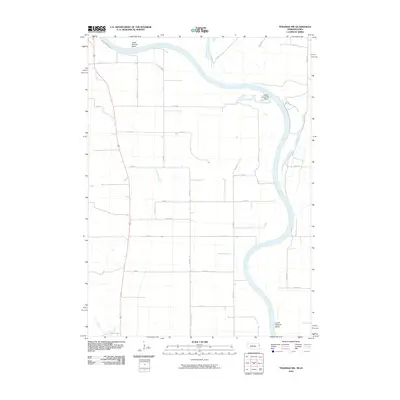 2010 Tekamah NW2010 Print · USGSThe Missouri River valley in the early twenty-first century is revealed here through its intricate river bends and rural road grids. Researchers can trace the shifting course of the Missouri River and examine the drainage systems of Wychoff Ditch and Riverside Ditch.
 - 2010 Map of Onawa SW, 2010 Print
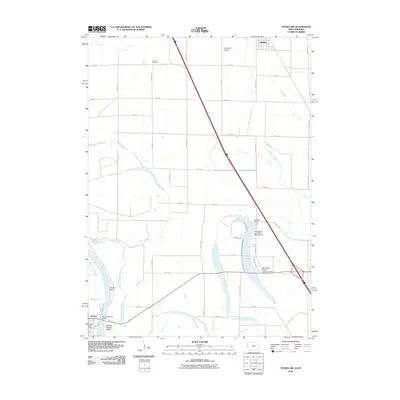 2010 Onawa SW2010 Print · USGSThe Iowa-Nebraska borderlands are defined here by the winding Missouri River and its historic oxbows at the start of the decade. Genealogists and local historians can trace family sites like Harrison Cemetery or follow the river at Tieville Bend and Decatur.
 - 2011 Map of Macy, 2011 Print
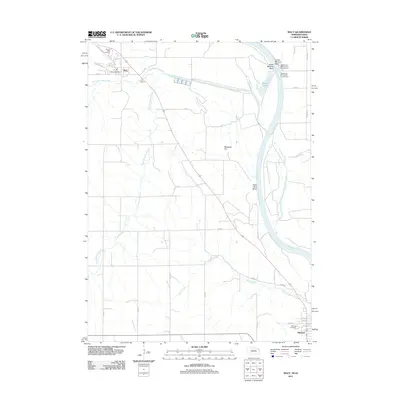 2011 Macy2011 Print · USGSBurt County land and river geography are documented here just after the first decade of the new millennium. Researchers can trace tribal landmarks and local history through the Omaha Tribal Cemetery, Blackbird Hill, and the streets of Decatur.
 - 2011 Map of Tekamah NW, 2011 Print
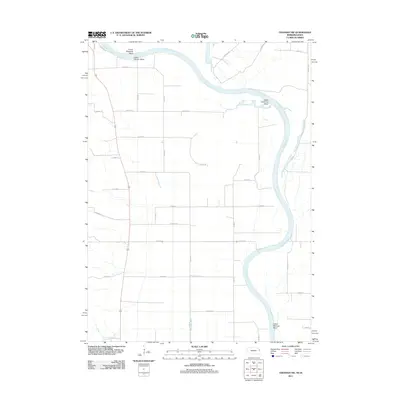 2011 Tekamah NW2011 Print · USGSThe Missouri River floodplain on the Nebraska-Iowa border is captured here in the early twenty-first century, showing a landscape of river bends and agricultural grids. Genealogists and local historians can trace family land along the Missouri River near Lower Decatur Bend and Riverside Ditch.
 - 2011 Map of Bertha, 2011 Print
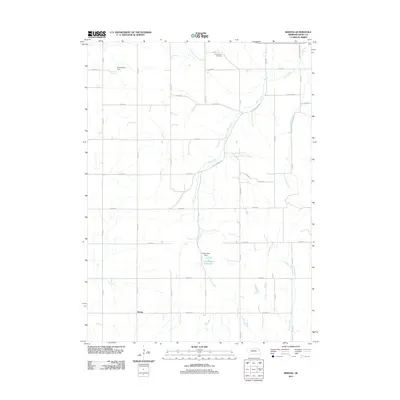 2011 Bertha2011 Print · USGSBurt County farmland is captured here in the early twenty-first century, showing the rural crossroads of Bertha and the surrounding drainage network. Researchers can trace local landmarks like Holy Family Cemetery and the course of Silver Creek or Lone Tree Creek.
 - 2013 Map of Onawa SW, 2013 Print
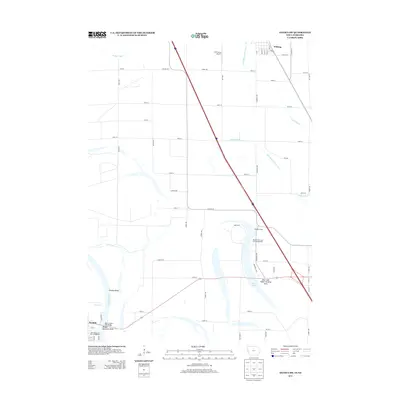 2013 Onawa SW2013 Print · USGSThe Iowa-Nebraska borderlands along the Missouri River are captured here just after the turn of the millennium. Genealogists and local historians can trace the river's many curves at Tieville Bend and explore the area around Whiting and the Burt County Toll Bridge.
 - 2014 Map of Macy, 2014 Print
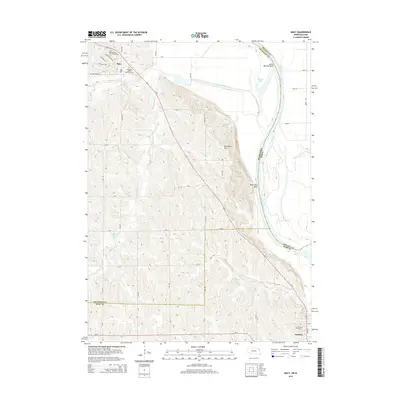 2014 Macy2014 Print · USGSThe Missouri River bluffs and the Omaha Reservation are documented here in the early twenty-first century. Researchers can locate Omaha Tribal Cem near Macy, trace the course of Blackbird Creek, and identify local landmarks like Blackbird Hill.
 - 2014 Map of Bertha, 2014 Print
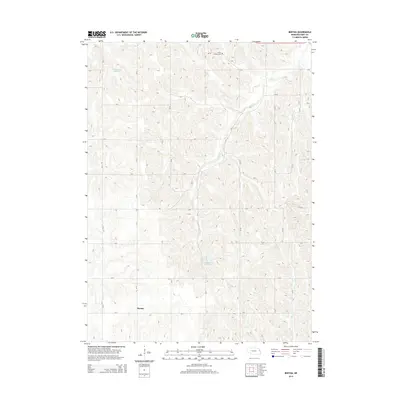 2014 Bertha2014 Print · USGSBurt County agriculture and water management are front and center in this survey of the eastern Nebraska plains. Genealogists and local researchers can locate the Bertha settlement, the Holy Family Cem, and water features like Drummond Reservoir.
 - 2014 Map of Tekamah NW, 2014 Print
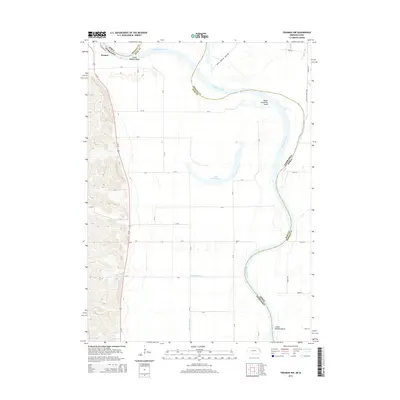 2014 Tekamah NW2014 Print · USGSThe Missouri River floodplain near Decatur comes alive in this modern survey of the Nebraska-Iowa border. Genealogists and researchers can trace the shifting riverbank through Lake Quinnebaugh, the Middle Decatur Bend WMA, and Wychoff Ditch.
 - 2015 Map of Onawa SW, 2015 Print
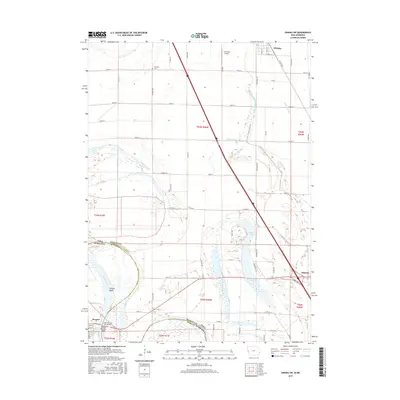 2015 Onawa SW2015 Print · USGSThe Missouri River bottomlands along the Iowa-Nebraska border are shown here in the mid-2010s, defined by its historic river bends and complex drainage. Researchers can trace land ownership and water management via labels like Blue Lake, Harrison Cem, and the McCandless Cleghorn Ditch.
 - 2017 Map of Macy, 2017 Print
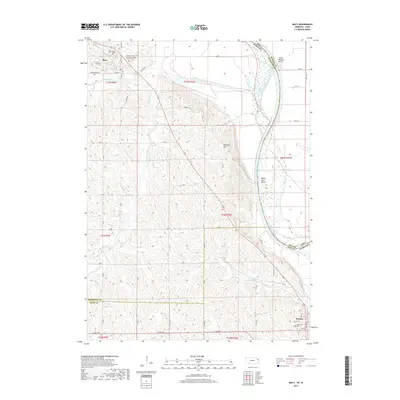 2017 Macy2017 Print · USGSThe Missouri River bluffs and Omaha Tribal lands are documented here in the late twenty-teens. Genealogists and local historians can trace the grounds of the Omaha Tribal Cem near Macy or locate the historic Blackbird Hill overlooking the river.
 - 2017 Map of Bertha, 2017 Print
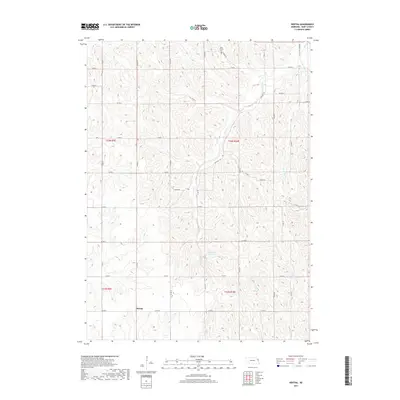 2017 Bertha2017 Print · USGSBurt County's rural landscape is captured in this recent survey, showing the agricultural heartland near the Missouri River bluffs. Genealogists and local historians can locate the Holy Family Cem, the settlement of Bertha, and the waters of Langemeier Reservoir.
 - 2017 Map of Tekamah NW, 2017 Print
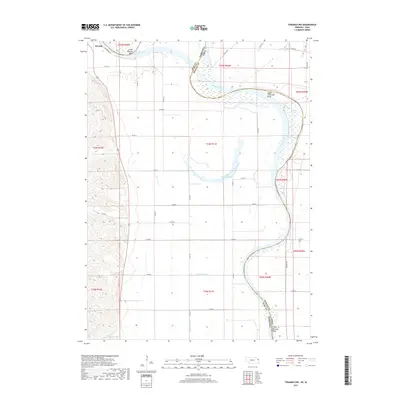 2017 Tekamah NW2017 Print · USGSThe river bluffs and bottomlands near Decatur are captured here in the late twenty-tens, showing the complex hydrology of the Missouri River valley. Researchers can trace land patterns along Lake Quinnebaugh and irrigation via Wuchoff Ditch and Riverside Ditch.
Showing maps 1-25 of 30
Top cities near Decatur
- Onawa historical maps
- Tekamah historical maps
- Oakland historical maps
- Sloan historical maps
- Lyons historical maps
- Whiting historical maps
See more
Frequently asked questions
- What are the different types of historical maps available for Decatur?
- What is the oldest map of Decatur?
- Where can I purchase historical maps of Decatur for my home or office?
- Where can I download high-res historical maps of Decatur?
- Are there historical topographic maps available for Decatur?
- Is there historical aerial imagery available for Decatur?
- Where are historical maps of Decatur sourced from?