1960s Maps of Harding County, New Mexico
Explore 21 historic maps of Harding County from the 1960s. These maps offer a rare glimpse into what life looked like during the 1960s — showing old roads, neighborhoods, homes, and landmarks that have changed or disappeared over time.
Whether you're researching your family's past, planning a metal detecting trip, or studying how Harding County's landscape evolved across the 1960s, these high-resolution maps are a powerful tool for exploring the history of this region.
- Focus on a specific era: All maps on this page are from the 1960s, giving you a focused view of this time period.
- See what’s changed: Compare century-old streets, trails, and buildings to today's modern landscape using overlays and satellite layers.
- Research with precision: Use these maps for genealogy, historical research, land use analysis, or educational projects.
- View, download, or print: Maps are fully viewable online in high resolution, and can be downloaded or printed for your own records.
Start exploring Harding County's history through authentic maps from the 1960s. This is your window into the past.
Harding County, NM maps
(21)- 1962 Map of Dalhart
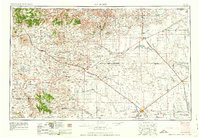 1962 Dalhart1962 Print · USGSThe High Plains and volcanic peaks of the tri-state area are shown in detail during the early sixties. Genealogists and historians can trace the rail corridors of the Fort Worth and Denver and find industrial sites like the Cactus Ordnance Works or the Beaver Meade & Englewood Grain Elevator.
 - 1962 Map of Logan, 1966 Print
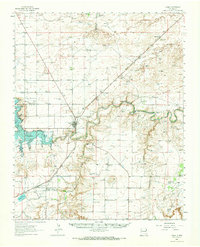 1962 Logan1966 Print · USGSQuay County ranching and rail life are documented here in the early sixties, centered on the Logan river crossing. Researchers can trace historic family holdings like Pyle Ranch and Martinez Springs or locate the Anniston Cem near the southern plains.
 - 1966 Map of Skull Mesa, 1968 Print
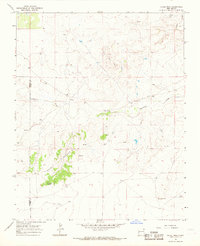 1966 Skull Mesa1968 Print · USGSNortheastern New Mexico ranching country is captured here in the mid-1960s as it straddles the Union and Harding county lines. Researchers can find old property landmarks like Zurick Ranch, the winding Shaw Brakes, and reliable water sources such as Dripping Springs.
 - 1966 Map of Pedernal Creek, 1968 Print
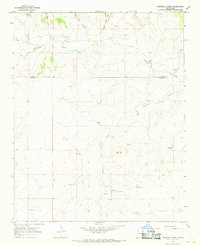 1966 Pedernal Creek1968 Print · USGSHarding and Union Counties in the mid-1960s reveal a landscape shaped by water and ranching along the Tramperos Creek drainage. Researchers can locate family-named landmarks and historical sites like Pedernal Cem, Franks Dam, and North Gallegos Well.
 - 1966 Map of Rosebud, 1968 Print
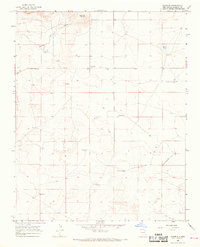 1966 Rosebud1968 Print · USGSHarding County ranching country is captured here in the mid-sixties, showing the vital water and livestock infrastructure of the high plains. Genealogists and historians can locate the Rosebud Cemetery and trace family-named sites like Matis Lake or the Brune School Section Well.
 - 1966 Map of Ione, 1968 Print
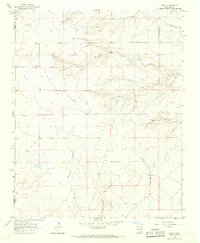 1966 Ione1968 Print · USGSNortheastern New Mexico ranching country is captured here during the mid-sixties, showing the high-plains landscape of the Harding and Union County line. Family and local historians can trace isolated landmarks and water sources like Ione, Entrania Spring, and Mitchil.
 - 1966 Map of Hayden, 1968 Print
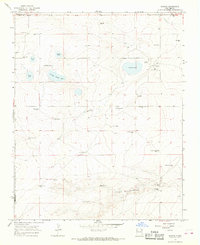 1966 Hayden1968 Print · USGSNortheastern New Mexico ranching country is captured here during the mid-sixties along the Union and Harding County line. Genealogists and local historians can trace family operations at Heimann Ranch and Jacobs Ranch or locate the community Cem and Rodeo Ground near Hayden.
 - 1966 Map of Cherokee Valley, 1969 Print
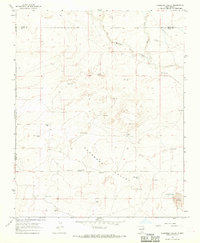 1966 Cherokee Valley1969 Print · USGSQuay County ranching and water management are frozen in time on this mid-century survey of the New Mexico high plains. Family researchers can locate early homesteads like Kaufman Ranch or trace the Cherokee Valley Cemetery and numerous family-named landmarks.
 - 1966 Map of Cottonwood Springs, 1969 Print
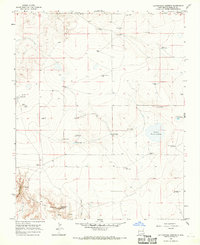 1966 Cottonwood Springs1969 Print · USGSHarding County ranching lands are captured here in the mid-1960s, showing a landscape defined by water rights and cattle ranges. Researchers can locate the Maytum Cem, the remains at Cone (Ruins), and family-named landmarks like Ellis Well.
 - 1966 Map of Mc Carty Ranch, 1969 Print
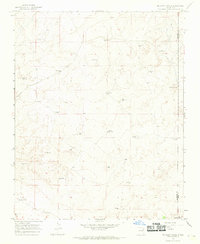 1966 Mc Carty Ranch1969 Print · USGSThe high plains of the Harding and Quay county border are captured here in the mid-1960s, showing a landscape defined by ranching and water. Genealogists and local historians can trace family-named landmarks like Tom Young Well, Casados Well, and the McCarty Ranch.
 - 1966 Map of Mc Cloy Ranch, 1969 Print
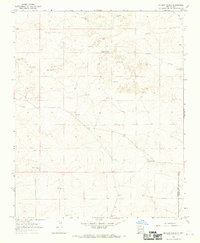 1966 Mc Cloy Ranch1969 Print · USGSHarding and Quay counties are depicted in the mid-1960s as a specialized landscape of cattle ranching and water management. Researchers can trace historic water sources and property boundaries through labels like the Old Church Well, McCloy Ranch, and Whorial Blanca Well.2 unique versions available
 - 1968 Map of Hampton Ranch, 1971 Print
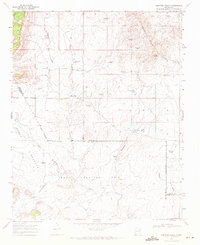 1968 Hampton Ranch1971 Print · USGSThe high plains ranchlands of San Miguel County come into focus during the late 1960s, a landscape defined by expansive land grants and seasonal water. Researchers can trace historical ranching outposts and family landmarks like Hampton Ranch, McCuistion Camp, and the remote Bryantine Cem.
 - 1968 Map of Montesito Creek, 1971 Print
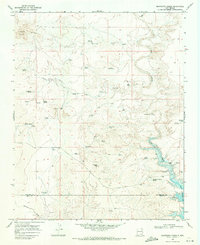 1968 Montesito Creek1971 Print · USGSHarding and Quay Counties come to life in this late-sixties survey of the High Plains as it transitions toward the Ute Reservoir. Genealogists and historians can trace family-named landmarks like Martinez Windmill and rural sites including Montesito Sch and Alamosa Cem.2 unique versions available
 - 1968 Map of Medina Mesa, 1971 Print
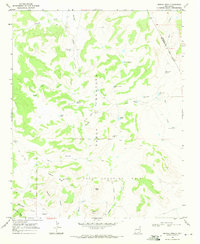 1968 Medina Mesa1971 Print · USGSSan Miguel County ranch lands and the high plateaus of the late sixties are detailed here during a period of remote southwestern surveying. You can trace the path of the Old Railroad Grade and locate isolated landmarks like Trigg Ranch and Atarque Corrals.
 - 1969 Map of Gallegos, 1972 Print
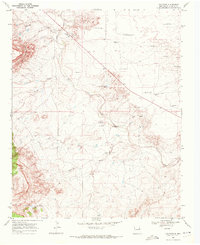 1969 Gallegos1972 Print · USGSHarding County ranching life is preserved here in the late sixties, centered on the high plains near the Gallegos settlement. Researchers can trace family ranch boundaries and water infrastructure through labels like Gallegos Ranch, Osborn Ranch, and the local Cem.
 - 1969 Map of Gallegos NE, 1972 Print
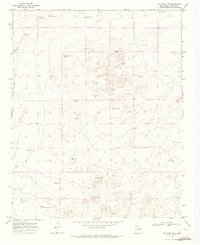 1969 Gallegos NE1972 Print · USGSHarding County ranching life is preserved here during the late sixties, showing a landscape defined by its vital water infrastructure. Researchers can trace historic grazing boundaries and remote outposts like Cooper Ranch, Gallegos Well, and the Twin Honeycutt Windmills.
 - 1969 Map of Salitre Canyon, 1972 Print
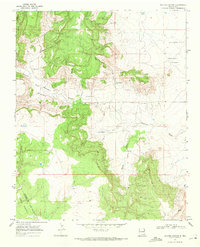 1969 Salitre Canyon1972 Print · USGSHarding County ranching country is shown here in the late sixties as the high plains give way to deep canyon systems. Researchers can trace land use through cattle camps and water sources like McIntosh Camp, Trujillo Ranch, and Mosquero Creek Ch.
 - 1969 Map of Alamosa Canyon, 1972 Print
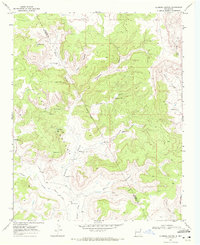 1969 Alamosa Canyon1972 Print · USGSSan Miguel County ranch lands and deep canyons are documented here in the late sixties, showing a landscape defined by water and remote outposts. Researchers can trace the Old Railroad Grade near Atarque Creek or locate local landmarks like CA School and Trigg Ranch.
 - 1969 Map of Chinaberry Canyon, 1972 Print
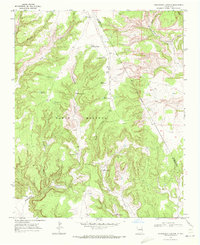 1969 Chinaberry Canyon1972 Print · USGSSan Miguel and Harding counties meet in this high-desert canyon country at the end of the sixties. Genealogists and local historians can locate ranching landmarks like Cabezai (Site) and water features like Juarez Windmill or Mitchel Windmill.
 - 1969 Map of Buffalo Springs, 1972 Print
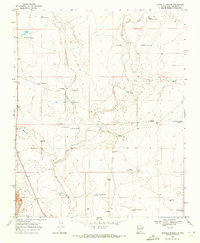 1969 Buffalo Springs1972 Print · USGSHarding County ranching country is captured here in the late sixties, showing a landscape defined by vital water sources. Researchers can trace historic family holdings like Baca Ranch and Casados Ranch alongside critical landmarks like Buffalo Springs.
 - 1969 Map of Fuentes Ranch, 1972 Print
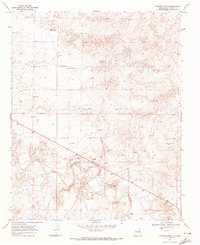 1969 Fuentes Ranch1972 Print · USGSHarding County ranching culture is documented in the late sixties through its vital network of water and family landmarks. Researchers can locate the Fuentes Ranch headquarters and trace the geography of the plains through Hapova Ch and Manuel Fuentes Well.
End of results
Showing maps 1-21 of 21
Top cities of Harding County
Frequently asked questions
- What are the different types of historical maps available for Harding County?
- What is the oldest map of Harding County?
- Where can I purchase historical maps of Harding County for my home or office?
- Where can I download high-res historical maps of Harding County?
- Are there historical topographic maps available for Harding County?
- Is there historical aerial imagery available for Harding County?
- Where are historical maps of Harding County sourced from?